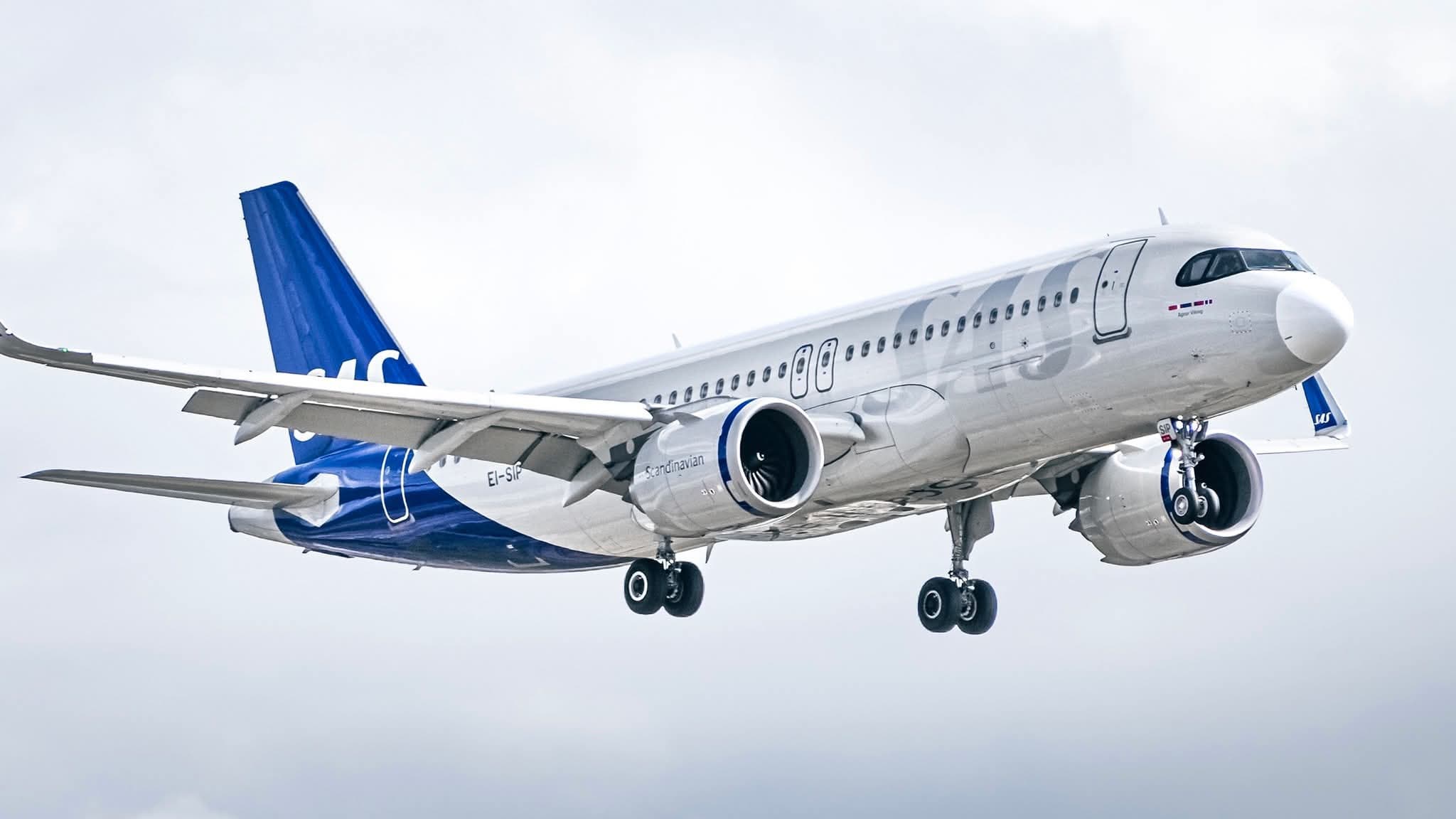
Scandinavian Airlines (SAS) has announced the transformation of its 'Conscious Traveler' initiative into 'EuroBonus ChangeMakers', a move designed to better align passenger engagement with the airline's environmental and operational strategy. The rebranding integrates the program more closely with the existing EuroBonus loyalty scheme, offering members a clearer path to participate in SAS's sustainability journey.
According to Paul Verhagen, Executive Vice President & Chief Commercial Officer of SAS, the new program "provides a clearer and more direct way for our members to participate in the direction we are taking as an airline." He emphasized that it connects daily actions to broader improvements, including fleet renewal, operational efficiency, and increased use of Sustainable Aviation Fuel (SAF). This shift reflects a growing trend in the aviation industry where airlines are leveraging loyalty programs to engage passengers in environmental, social, and governance (ESG) goals, driven by European regulatory pressure and climate targets.
Under 'EuroBonus ChangeMakers', passengers can perform simple actions during their travels—such as choosing SAF options or optimizing their flight choices—to earn rewards. Members who complete ten actions in a calendar year receive a digital badge, 5,000 bonus points, and 5,000 status points. However, SAS is transparent about the limitations: while these actions contribute to awareness and incremental change, the bulk of emission reductions comes from structural transformations like fleet modernization (e.g., Airbus A320neo and A350), route optimization, and technological innovations. The passenger contribution is thus more about accompaniment than being the primary lever for decarbonization.
This repositioning comes as SAS continues a deep transformation, including its financial restructuring under Chapter 11 in the US (initiated in 2022) and its strategic realignment around the SkyTeam alliance after its partnership with Air France-KLM in 2024. The airline plans to enrich the program with new actions and touchpoints in the coming months to maintain member engagement and align with long-term priorities.
For ATPL and ATC students, this development is a practical case study in how airlines operationalize sustainability. Understanding the role of SAF, fleet renewal, and operational efficiency in reducing emissions is critical for future pilots and controllers, as these factors influence flight planning, fuel management, and regulatory compliance. The integration of passenger actions into loyalty programs also highlights the growing importance of ESG metrics in aviation business models.