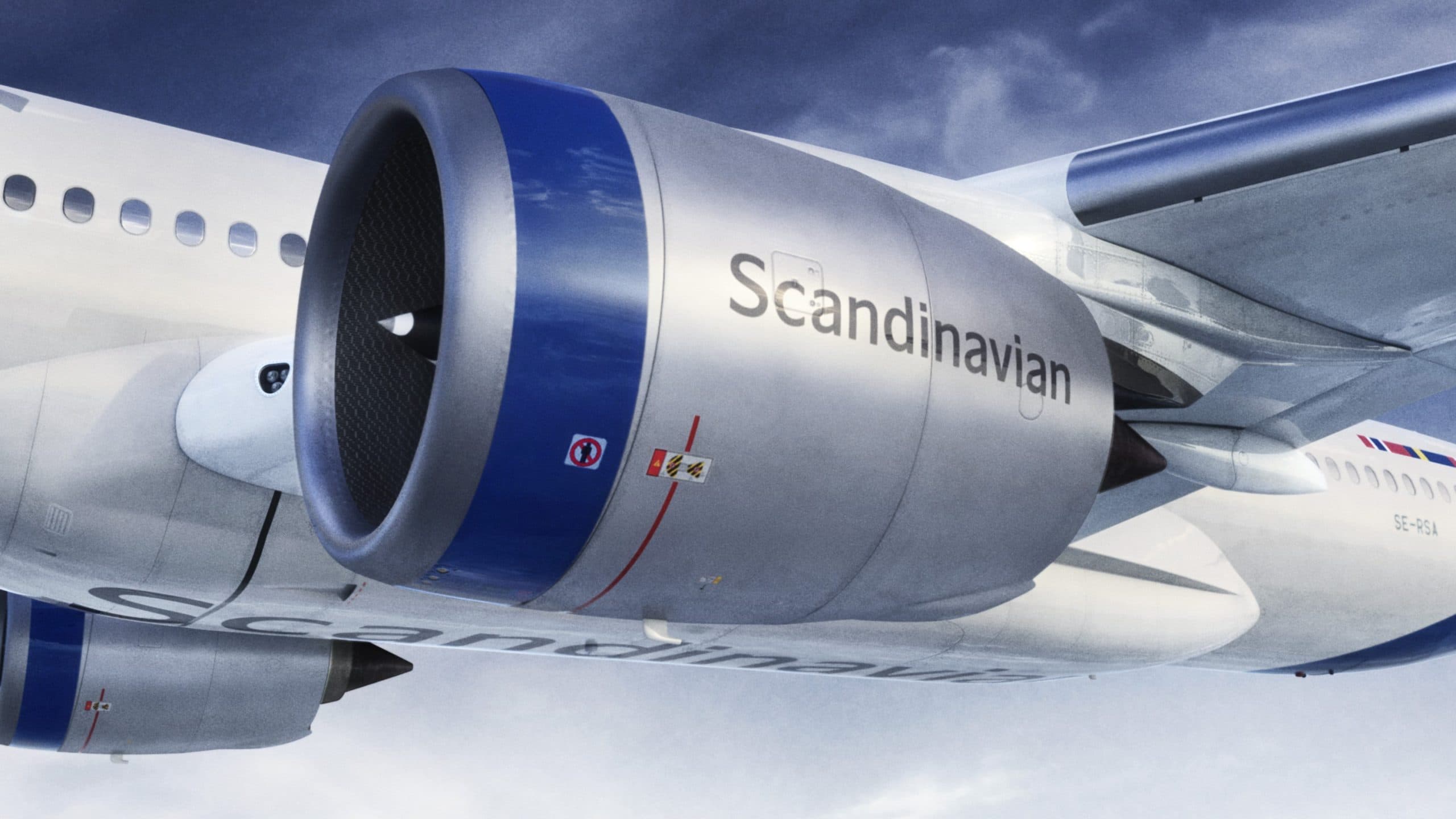
Scandinavian Airlines (SAS) is reportedly in advanced discussions with Airbus regarding an order for 15 to 20 widebody aircraft, combining the A350-900 and A330-900 (A330neo). According to sources cited by Bloomberg, the deal could be finalized within weeks, representing SAS's first major long-haul fleet decision since emerging from Chapter 11 bankruptcy protection in mid-2024. The carrier aims to secure delivery slots and support the expansion of its long-haul network from its Copenhagen hub.
This potential order comes less than two years after SAS completed a financial restructuring that shed over $2 billion in debt and recapitalized the airline with $1.2 billion from a consortium led by Air France-KLM, Castlelake, Lind Invest, and the Danish state. Air France-KLM now holds nearly 20% of SAS, with an option to eventually take majority control pending regulatory approvals and financial performance. The fleet renewal project is part of a "new era" strategy focused on Copenhagen as a hub and upgrading the long-haul product.
SAS's current long-haul fleet consists of six Airbus A350-900s (average age 3–4 years) and eight Airbus A330-300s (average age around 15 years, some over 20). The A330-900 is the natural successor to the A330-300, offering a 25% fuel burn improvement per seat thanks to Rolls-Royce Trent 7000 engines, optimized wings, and the Airspace cabin. The A350-900, already in service, provides greater range and capacity for ultra-long-haul routes to Asia and North America. A combined order would allow SAS to standardize around a single manufacturer, simplifying pilot training, maintenance, and spare parts management while reducing unit costs.
The negotiations follow earlier discussions with both Airbus and Boeing, including the 787 and 777X families. SAS is betting on a rebound in long-haul demand from Copenhagen, particularly to North America, Asia, and the Middle East. The airline's gradual integration into the SkyTeam alliance, driven by Air France-KLM's involvement, further supports an Airbus-standardized fleet, as the Franco-Dutch group already operates a large Airbus widebody fleet, creating economies of scale in maintenance, training, and procurement.
For ATPL and ATC students, this case illustrates real-world fleet planning decisions: the trade-offs between aircraft types, the impact of financial restructuring on fleet strategy, and the role of alliances in standardizing equipment. It also highlights how airlines balance replacement versus growth needs, and the operational benefits of a common type rating across long-haul aircraft families.