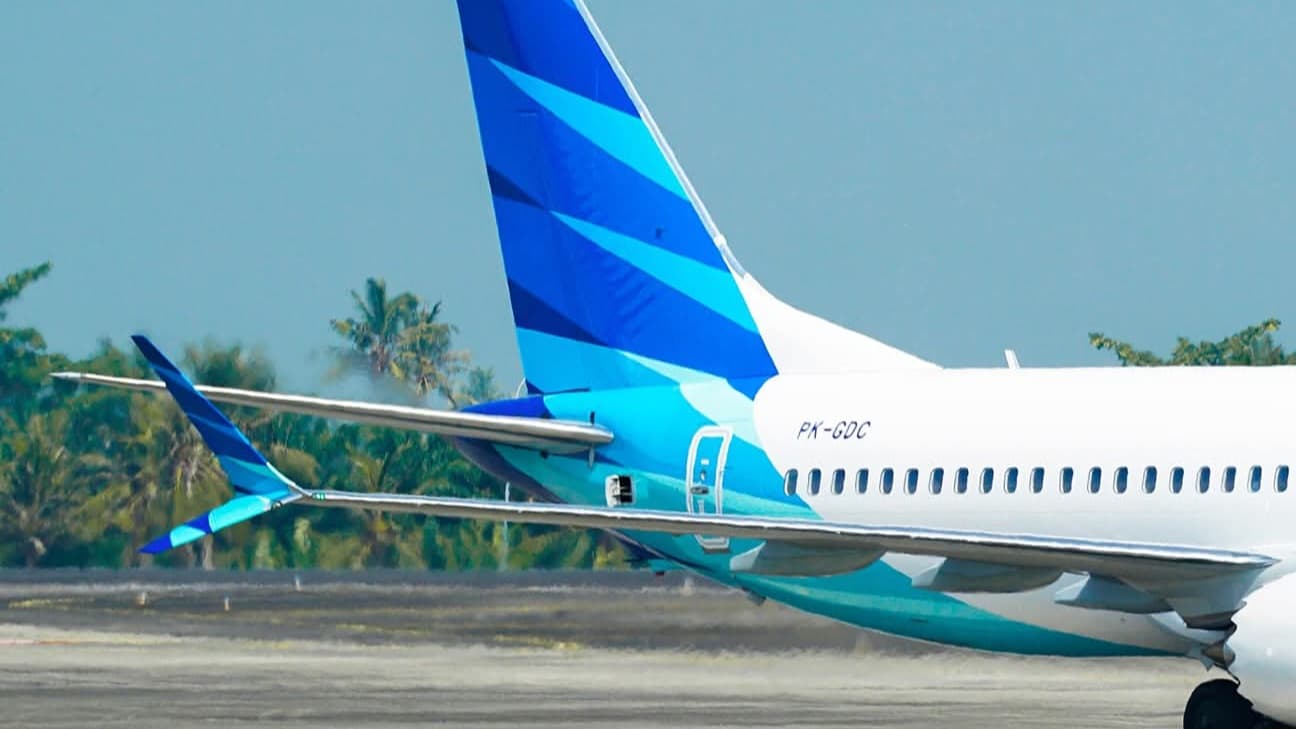
**SAS and Garuda Indonesia have signed a codeshare agreement** that will strengthen connections between Northern Europe and Southeast Asia. Announced on the sidelines of the IATA Annual General Meeting in Rio de Janeiro, the deal leverages the SkyTeam alliance to offer seamless itineraries from Copenhagen, Stockholm, and Oslo to Jakarta (CGK) and Bali Denpasar (DPS). Connections will be facilitated via Amsterdam-Schiphol, Tokyo-Haneda, and from winter 2026/2027, Bangkok. This partnership is a strategic move for both carriers, as SAS only joined SkyTeam in September 2024 after leaving Star Alliance, and Garuda Indonesia is a long-standing member.
**For aviation students, this is a textbook example of how codeshare agreements work in practice.** Codeshares allow airlines to sell seats on each other's flights without operating the aircraft themselves, effectively expanding their network reach. For ATPL candidates studying airline operations, understanding codeshare mechanics—such as single check-in, baggage transfer, and frequent flyer mile accrual—is essential. ATC trainees, meanwhile, should note that while codeshares don't directly change air traffic control procedures, they can influence traffic flows as airlines adjust schedules to optimize connections at hub airports.
**The agreement also highlights the importance of hub-and-spoke networks in modern aviation.** Amsterdam, Tokyo, and Bangkok serve as critical transfer points, each playing a role in SkyTeam's global strategy. For students, this reinforces the concept of hub connectivity and how alliances compete for market share on high-demand routes like Europe–Southeast Asia. The growing demand for travel to Indonesia—the world's fourth most populous country—driven by tourism to Bali and business to Jakarta, underscores the economic factors that shape route planning.
**From a regulatory perspective, codeshare agreements require approval from aviation authorities in all involved countries.** This partnership will need clearance from the European Union and Indonesian regulators, among others. ATPL students should be aware that such agreements are governed by bilateral air service agreements and antitrust immunity rules, which are part of the commercial and legal framework of international aviation. The fact that both airlines are in SkyTeam simplifies coordination, as alliance members share common standards for service and operational integration.
**In summary, this news is more than just a commercial announcement—it's a case study in airline strategy, network planning, and alliance dynamics.** For those training to become pilots or controllers, it offers a real-world glimpse into how the industry connects continents and how partnerships shape the routes you will one day fly or manage.