**Ryanair to Close Thessaloniki Base for Winter 2026: A Blow to Local Tourism and Seasonal Connectivity**
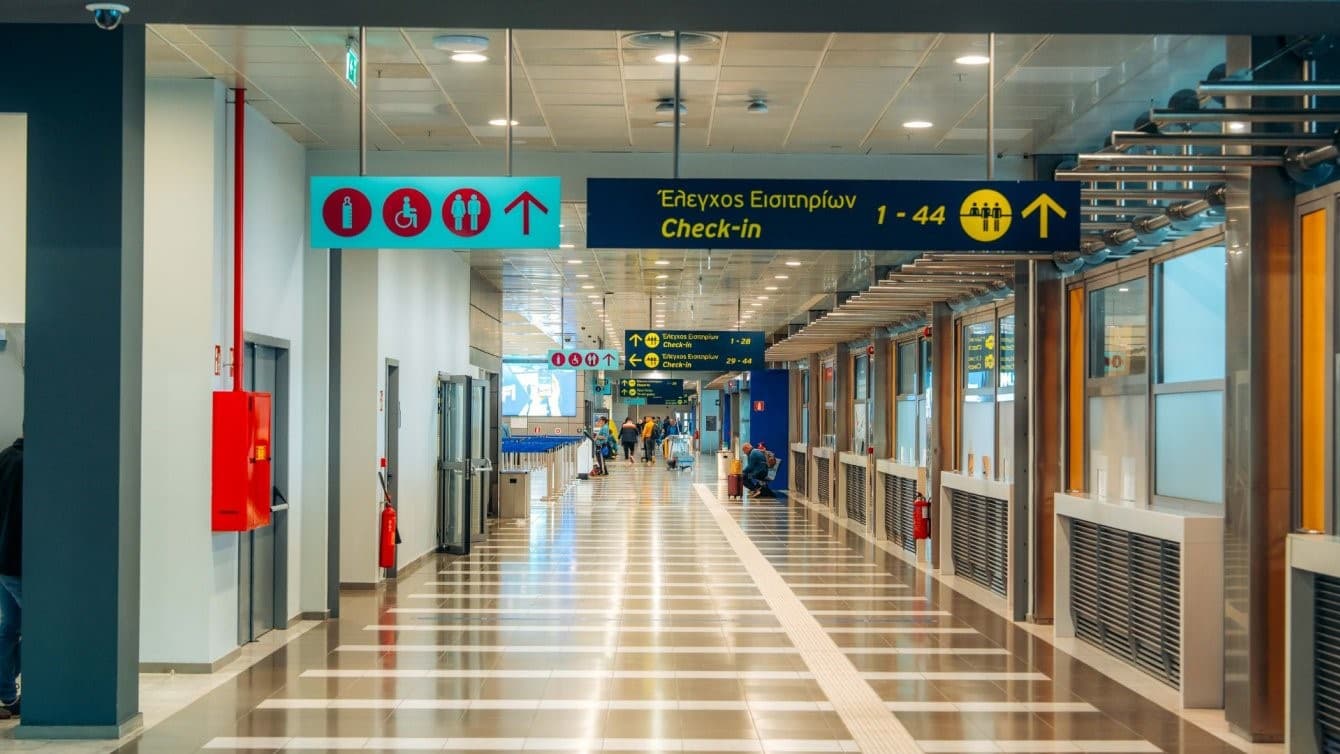
Ryanair has announced it will close its three-aircraft base at Thessaloniki-Makedonia Airport for the winter 2026 season, resulting in a significant capacity reduction in Greece and reigniting fears of a negative impact on local tourism. The Irish low-cost carrier will cut 500,000 seats and suspend ten routes, describing the move as a "major setback for winter connectivity" at the Greek airport operated by Fraport Greece. "We are disappointed to have to close our Thessaloniki base for winter 2026, which will lead to a significant reduction in our offering and connectivity for Greek and foreign travelers," the airline stated.
**The Blame Game: Airport Charges**
Ryanair attributes the withdrawal directly to the pricing environment at the affected Greek airports. It accuses Fraport Greece, the operator of Thessaloniki and several regional airports, as well as Athens Airport, of refusing to pass on a reduction in airport taxes. "Fraport Greece and Athens Airport have chosen not to pass on the reduction in charges to passengers, making winter operations at our bases economically unviable," the airline claims. Without tariff incentives or support during the low winter season, maintaining a three-aircraft base in Thessaloniki is no longer sustainable. Ryanair states it prioritizes "competitive" airports that support low-cost growth year-round. "Where airports work with us to support winter activity, we invest; where costs skyrocket, we must reduce our presence," summarized Jason McGuinness, Ryanair's commercial director. He added that the aircraft will be redeployed to Albania, regional Italy, and Sweden, where airports have passed on government tax savings, boosting connectivity, tourism, and jobs there.
**Local Tourism Fears a "Trou d'Air"**
The base closure has already alarmed tourism stakeholders and local authorities in Thessaloniki. The city had counted on Ryanair's presence to strengthen links with several European markets during the low season. The loss of based aircraft will inevitably mean reduced capacity, lower frequencies, and ultimately less attractive fares in winter. "We fear that the removal of these flights will weaken visitor numbers to Thessaloniki and the region, especially outside summer," a local tourism representative told the media outlet Voria. Ryanair insists the decision is reversible if the pricing environment changes: "We remain open to dialogue with airport authorities to restore our base if more competitive conditions are put in place."
**The Azores Precedent as a Warning**
This announcement comes as Ryanair's departure from the Azores, off the coast of Portugal, already fuels debate about the dependence of certain territories on low-cost traffic. In that Atlantic archipelago, the airline ended operations, sharply reducing seat availability to several islands. According to the Ponta Delgada Chamber of Commerce and Industry, Ryanair's cessation would cause an estimated annual loss of €165 million for the local economy, largely tourism-related. Projections suggest a 1.7% drop in the Azores' GDP for 2026, with a decrease of 340,000 to 390,000 overnight stays per year. "The absence of Ryanair is already translating into a drop in demand, especially for car rentals," a sector representative observed, citing a decline of about 30% compared to last year, as reported by The Portugal News. Local tourism players fear this lasting withdrawal will redirect flows to other Portuguese destinations like Madeira, which are better served. The Azores example now serves as a cautionary tale for Greek officials as Thessaloniki prepares to face a winter without Ryanair's base. "When a low-cost carrier leaves, you don't just lose flights—you lose customers in hotels, restaurants, and shops," summarized a tourism professional, referencing the Azores situation. For Thessaloniki, the challenge will be to find other carriers or alternative models to support winter traffic and avoid a similar scenario.
**What This Means for ATPL and ATC Students**
This case illustrates how airline network planning is influenced by airport charges and seasonal demand, a key consideration for future pilots and controllers. Understanding the economic pressures behind route decisions helps aviation professionals anticipate capacity changes and adapt to shifting operational environments.