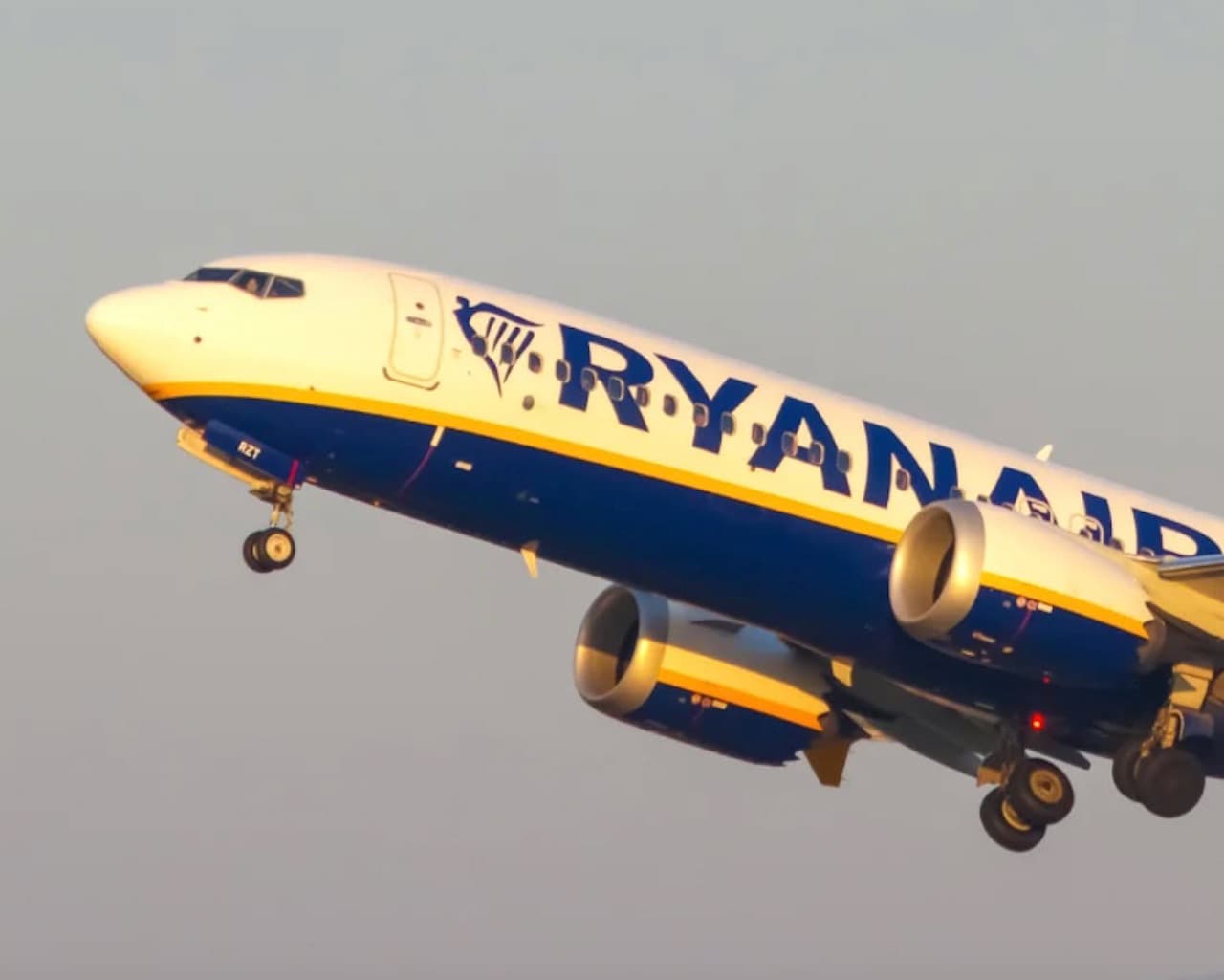
Ryanair's first-quarter results for fiscal year 2027, released on July 20, show a 34% drop in after-tax profit to €538 million, compared to €820 million a year earlier. The main culprit: a sharp rise in fuel costs, with the non-hedged portion of fuel more than doubling in price to around $150 per barrel. Despite this, traffic grew 6% to 61.3 million passengers, while average fares fell 6% and revenue per passenger dropped 5%. Total revenue edged up 1% to €4.38 billion, driven by ancillary revenue remaining stable per passenger.
For ATPL and ATC students, this case study highlights the critical role of fuel hedging in airline financial management. Ryanair hedged 80% of its fuel for FY2027 at around $67 per barrel, significantly below current market prices, protecting its bottom line. This strategy is a textbook example of how airlines manage volatility—a topic often covered in ATPL modules on airline operations and economics. ATC students can also learn how fuel costs influence route planning and capacity decisions, as Ryanair is reducing services in high-tax markets like Germany and Austria while expanding in lower-cost regions such as Italy and Morocco.
The airline's fleet now stands at 647 aircraft, including 210 Boeing 737-8200 "Gamechangers," with plans to add 300 Boeing 737 MAX-10s by 2034. The MAX-10 promises 20% more seats and 20% less fuel consumption per seat, a key efficiency gain. Ryanair's debt-free status, with €2.8 billion in cash and a BBB+ credit rating, underscores the importance of financial health in aviation—a concept ATPL students encounter in their studies on airline finance and risk management.
Ryanair's network reallocation strategy is also instructive. The airline is cutting capacity in high-cost countries and redirecting aircraft to states that lower taxes and fees, such as Albania, Sweden, and Slovakia. This dynamic reflects real-world constraints that ATC students must understand: air traffic management is not just about moving planes but about adapting to economic and regulatory pressures. The airline expects European short-haul capacity to remain constrained until at least 2030 due to delivery delays at Airbus and Boeing, engine maintenance issues, and industry consolidation—factors that will shape the airspace and traffic patterns ATC students will manage.
Finally, Ryanair's operational efficiency and ESG efforts, including a record 91% customer satisfaction score and investments in sustainable aviation fuel (SAF), demonstrate how airlines balance profitability with environmental goals. For ATPL students, this ties into topics like aircraft performance and fuel management, while ATC students can consider how SAF adoption might affect flight planning and emissions regulations.