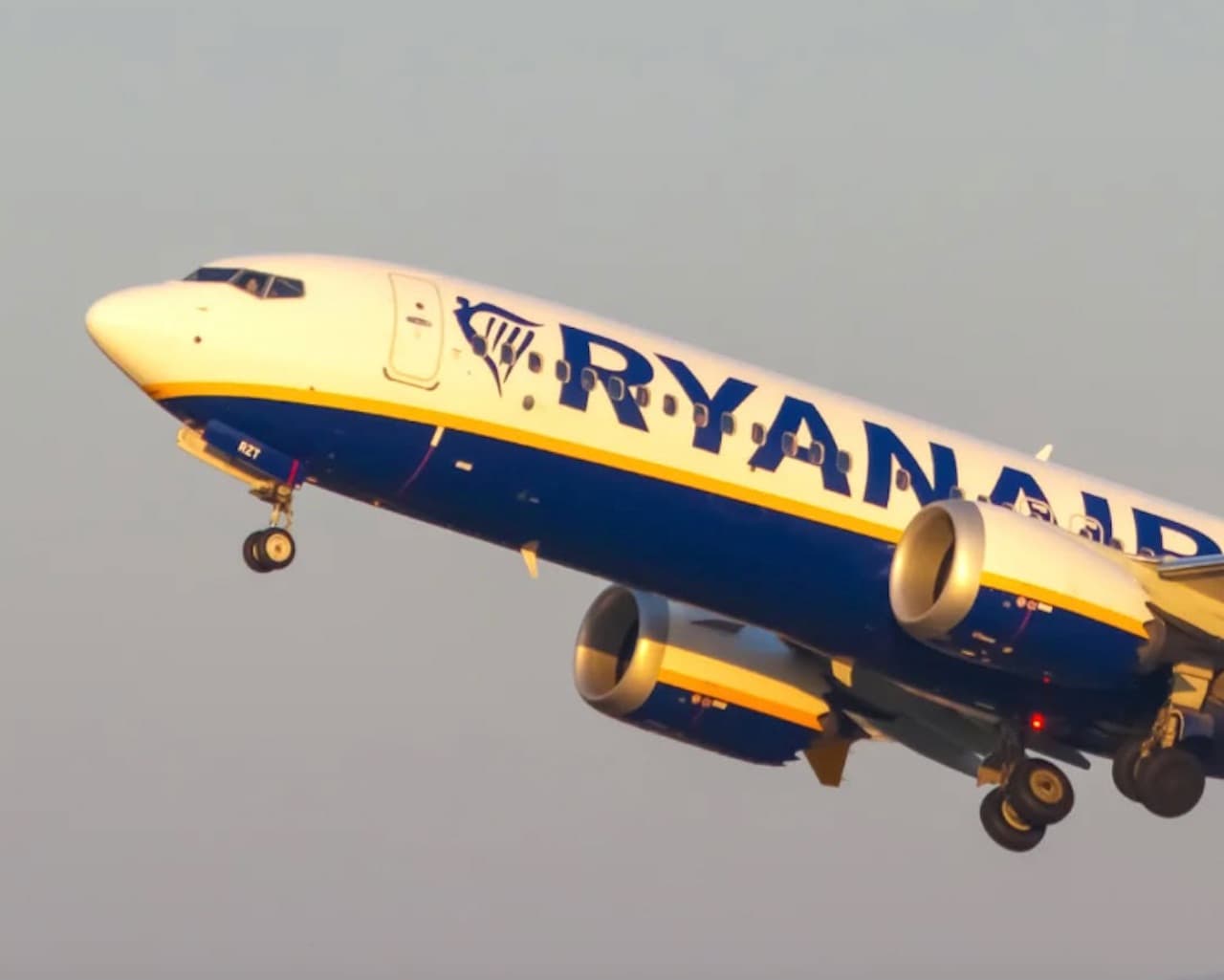
**Ryanair’s April 2026 Traffic Performance**
Ryanair has reported carrying 19.3 million passengers in April 2026, a 5% increase compared to 18.3 million in April 2025. The airline maintained a load factor of 93%, indicating that capacity growth did not come at the expense of seat occupancy. With over 108,000 flights operated during the month, the airline continues to demonstrate the scale of its intra-European and Mediterranean network. The load factor, close to pre-pandemic highs, reflects sustained demand for low-cost tickets despite inflation and rising operational costs, particularly fuel.
**Rolling 12-Month Milestone**
On a rolling annual basis ending April 2026, Ryanair transported 209.3 million passengers, up 4% from 201.3 million a year earlier. The 12-month load factor stood at 94%, unchanged from the previous period, highlighting tight capacity and frequency management. This trend follows monthly growth of around 5% in March (15.8 million passengers) and 6% in February (13.3 million), with stable load factors of 92–93%. Ryanair had already crossed the symbolic 200-million annual passenger threshold in its fiscal year ending March 2025, becoming the first European airline to achieve this volume in a single financial year.
**Context and Challenges**
These figures come amid strong leisure demand across Europe, driven by intra-EU flows, Mediterranean tourism, and a rebound in short city breaks. However, growth is constrained by fleet limitations, notably Boeing 737 MAX delivery delays and capacity constraints at congested airports. Ryanair has previously warned that some growth targets may be adjusted based on Boeing’s delivery schedule, making the traffic increase all the more notable given a near-constant fleet size.
**MyATPS Analysis for ATPL and ATC Students**
For ATPL students, this data illustrates how load factor and capacity management are key operational metrics in airline planning. Understanding how airlines balance growth with fleet constraints is crucial for future pilots and dispatchers. For ATC students, the sustained traffic growth highlights the pressure on European airspace and airport slots, reinforcing the need for efficient air traffic management and slot coordination. The Boeing 737 MAX delivery delays also serve as a real-world case study in supply chain risk affecting airline operations.