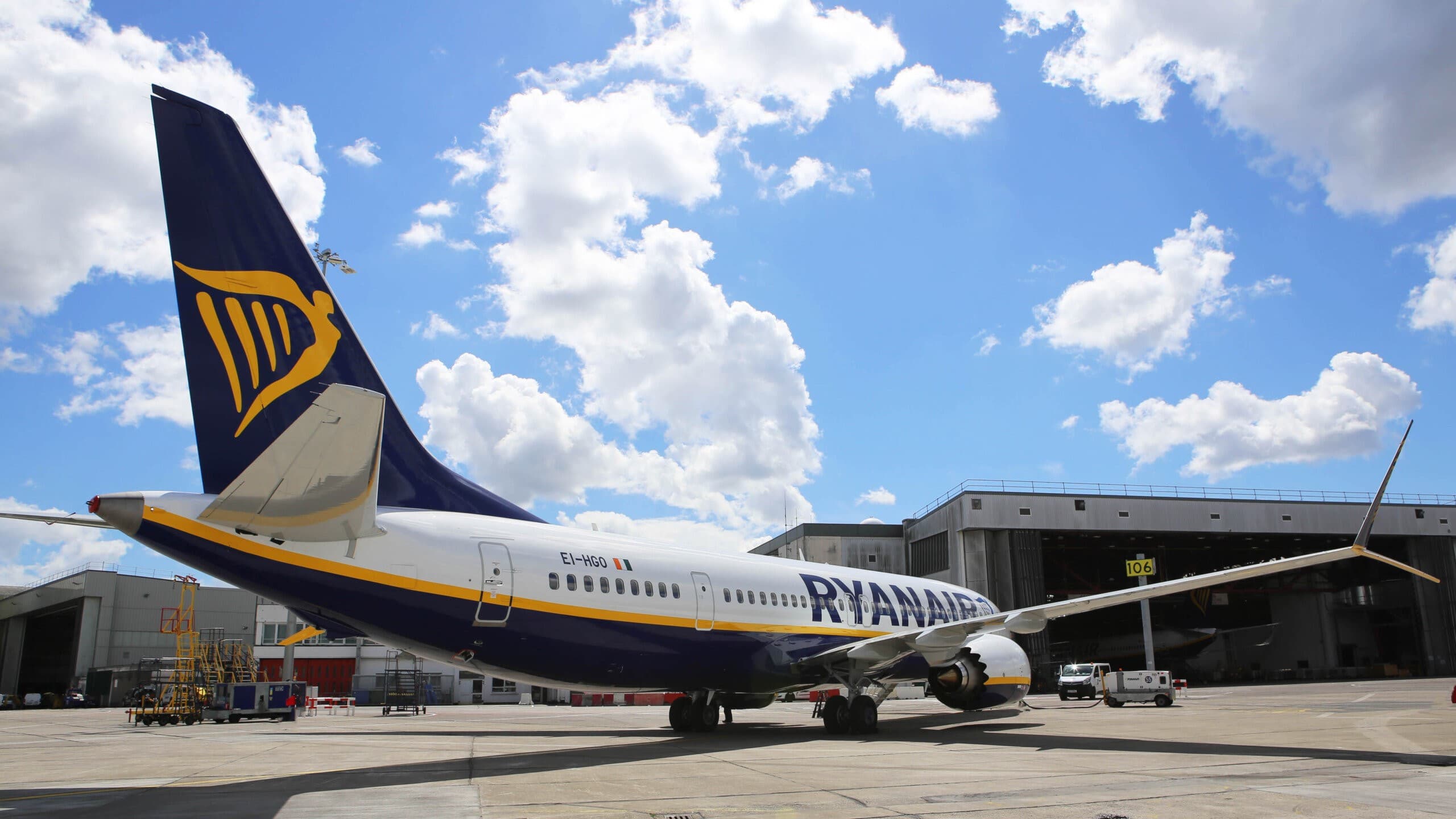
Ryanair has launched a fresh regulatory offensive against Dublin Airport's operator DAA, calling on the Irish Aviation Authority (IAA) to reject the proposed €5.6 billion capital expenditure plan for 2027–2031 and instead cut passenger charges. The airline points to Spain's regulator CNMC, which recently recommended an average annual reduction of 0.59% in airport charges for 2027–2031, contrary to Aena's proposed 3.82% increase to fund a €10 billion investment program. Ryanair, supported by IATA and Spanish airline association ALA, argues for even steeper cuts of up to 4.9% per year, claiming lower charges stimulate traffic and ultimately fund investment through volume growth.
At the heart of the dispute is DAA's €5.6 billion plan to expand Dublin Airport from about 36 million passengers in 2025 to a capacity of 45 million by 2031, through infrastructure extensions, maintenance projects, and sustainability initiatives. Ryanair, Dublin's largest customer, dismisses the plan as "zero growth" because it adds no new runways or terminals, yet would allegedly double passenger charges from €20 to €40 per departure. The airline breaks down the costs, criticizing over €1.5 billion for inflation and contingencies, €700 million for 14 new parking stands with jet bridges (which Ryanair does not use), €670 million for maintenance, and €500 million for sustainability projects.
CEO Michael O'Leary accuses DAA of "regulatory gaming" and urges the IAA to ignore the "delusional" investment plan. He argues that once Dublin's current 32-million passenger cap is lifted, traffic growth should naturally lower unit costs, as the Spanish regulator advocates. O'Leary claims airport monopolies systematically underestimate traffic growth while wasting billions on unnecessary infrastructure, citing the jet bridges on Pier 1, used 80% by Ryanair but not needed by the airline.
The IAA will set the new maximum average charge per passenger for 2027–2031 in 2026, amid growing passenger numbers toward 40 million annually and political debate over the airport's activity cap. This case is a textbook example for ATPL and ATC students of how airport economics, regulatory frameworks, and airline strategies intersect. Understanding these dynamics is crucial for future aviation professionals, as airport charges directly affect airline operating costs, route profitability, and network planning. The outcome of this battle will influence not only Ryanair's operations at Dublin but also set precedents for airport regulation across Europe.