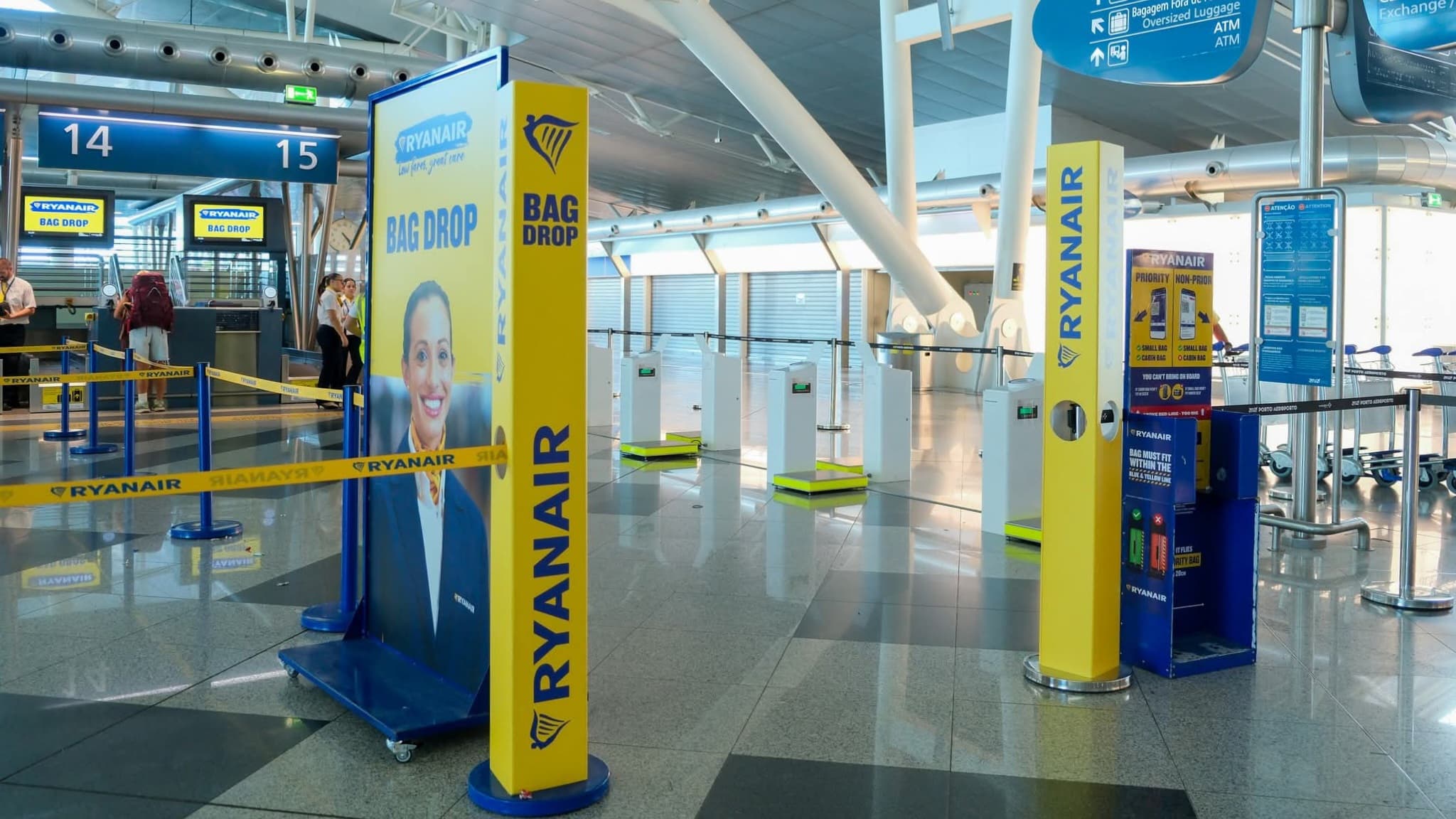
Ryanair has announced an increase in the commission paid to its gate agents for identifying oversized cabin baggage, raising the bounty from €1.50 to €3.50 per bag. This move, reported by *The Times*, reflects the airline's aggressive strategy to enforce strict baggage dimensions and generate significant ancillary revenue. For ATPL and ATC students, this development offers a real-world case study in airline economics, operational pressure, and passenger relations.
**Ancillary Revenue as a Core Strategy**
Ryanair's policy is not merely about enforcing rules; it is a deliberate revenue stream. In 2024, the airline generated approximately €3.5 billion from cabin baggage fees alone, equivalent to 156 million bags charged. This figure underscores how low-cost carriers (LCCs) rely on ancillary services to remain profitable, a concept frequently examined in ATPL commercial aviation modules. Understanding this business model is crucial for future pilots and controllers who will operate within or alongside such airlines.
**Operational Impact on Gate Procedures**
The increased commission transforms gate agents into "bounty hunters," as described by *The Times*. Agents now systematically test bags in metal sizers and can deny boarding to bags exceeding the free personal item size (40x30x20 cm) or the paid cabin bag allowance (55x40x20 cm). This creates operational bottlenecks and passenger tension, which ATC students must consider when managing gate areas and boarding flows. The practice also highlights the importance of clear communication between ground staff, flight crew, and passengers.
**Industry-Wide Trend**
Ryanair is not alone. Internal emails leaked from easyJet reveal that its ground handlers, such as Swissport and DHL Supply Chain, receive £1.20 (€1.40) per non-compliant bag sent to the hold. This industry-wide trend means that aviation professionals must be prepared for strict baggage enforcement, which can delay boarding and affect on-time performance—a key metric in airline operations.
**Relevance to ATPL and ATC Training**
For ATPL students, this case illustrates the commercial pressures that shape airline policies, influencing everything from aircraft loading to passenger service. ATC trainees benefit from understanding how such policies impact ground operations, including gate management and turnaround times. Both groups should recognize that ancillary revenue strategies are a permanent feature of modern aviation, requiring adaptability and clear procedures.