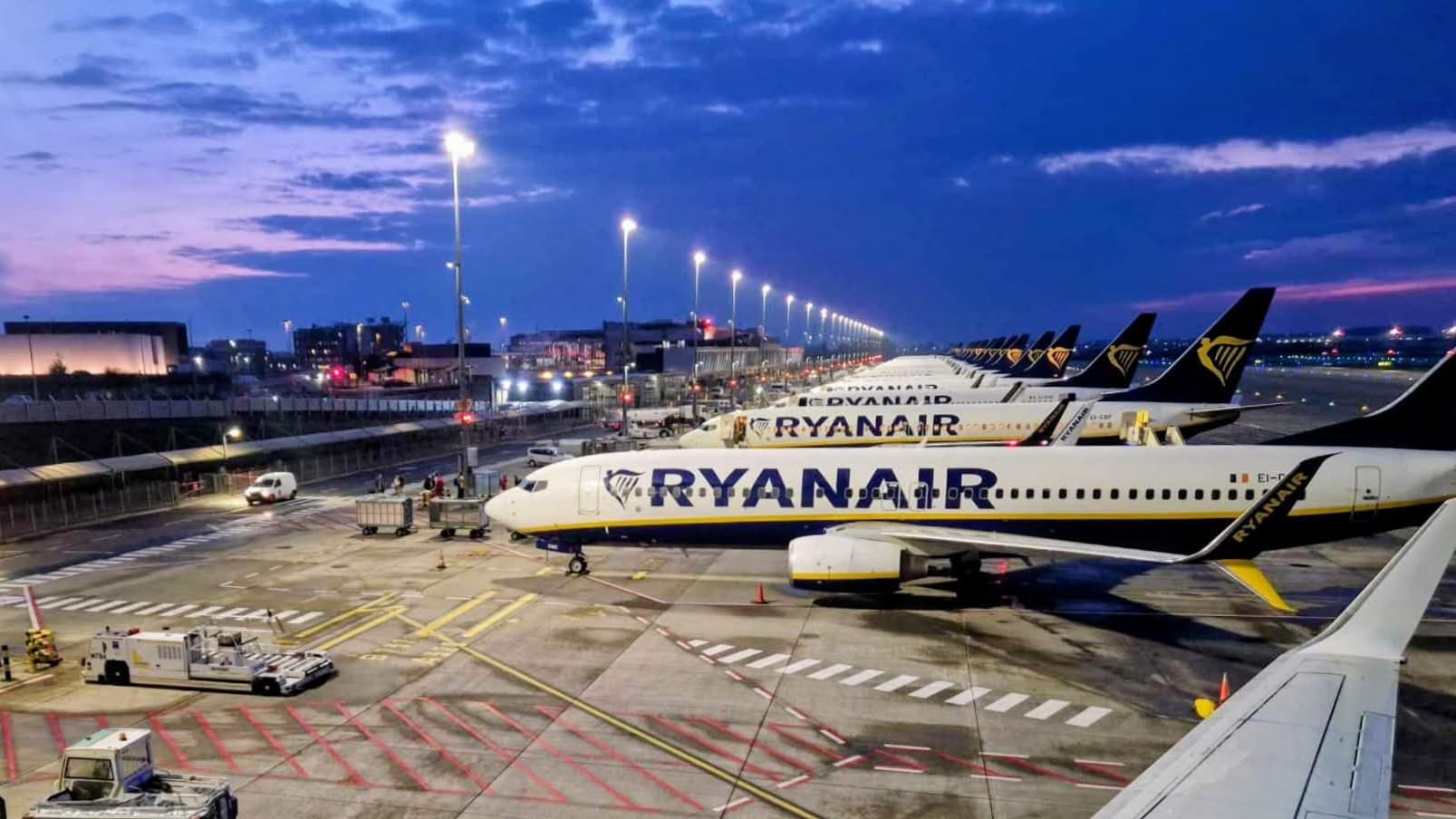
Ryanair has closed its 2025-2026 financial year with a record net profit of €2.26 billion, a 40% increase from the previous year, driven by higher fares and strong demand despite persistent Boeing delivery delays and rising fuel costs. Europe's largest airline by passenger numbers continues to consolidate its position, though it remains cautious about the 2026-2027 outlook amid geopolitical and energy uncertainties.
**Record profitability fueled by fares**
For the year ending March 2026, Ryanair reported a profit after tax (PAT) of €2.26 billion, up from €1.61 billion the prior year. Revenue rose 11% to €15.54 billion, while traffic grew 4% to 208.4 million passengers, with an exceptional load factor of 94%. Unit revenue per passenger improved by 7%, driven by a roughly 10% fare increase that reversed the 7% decline seen the previous year. Operating costs (excluding exceptional items) rose only 6%, limiting unit cost growth to about 1% despite higher fuel, crew, and maintenance expenses. Ancillary revenue reached nearly €5 billion, or about €24 per passenger, from baggage, seat selection, priority boarding, and other services.
**Fuel, Iran, and green taxes: headwinds persist**
Like the entire industry, Ryanair faces volatile jet fuel prices, exacerbated by tensions between the US, Israel, and Iran, and the critical Strait of Hormuz. The airline has hedged about 80% of its 2026-2027 fuel needs at an average price near $67 per barrel through April 2027, a strategy it touts as a competitive advantage over less protected European carriers. Beyond fuel, Ryanair expects unit costs to rise a few percent due to European environmental taxes, wage increases, and engine maintenance fees.
**Boeing delays reshape expansion**
As of March 31, 2026, Ryanair's fleet stood at 647 aircraft, including all 210 Boeing 737-8-200 "Gamechanger" variants ordered. Persistent Boeing delivery delays continue to constrain growth, with the airline now targeting about 216 million passengers for 2026-2027, a modest increase. Its long-term ambition remains over 300 million annual passengers by 2033-2034, contingent on resolving industrial bottlenecks and further European market consolidation. New capacity is being directed to "low-tax" markets such as Albania, Italy, Morocco, Slovakia, and Sweden.
**Strong balance sheet and governance**
Ryanair is set to become virtually debt-free after repaying its last €1.2 billion bond in May 2026. It ended the year with a net cash position of €2.1 billion and plans to rebuild cash reserves to €4 billion. The board is nearing an agreement to extend CEO Michael O'Leary's contract until 2032, ensuring continuity during a critical expansion phase. The proposed contract includes options on 10 million shares, exercisable only if ambitious profit or share price targets are met.