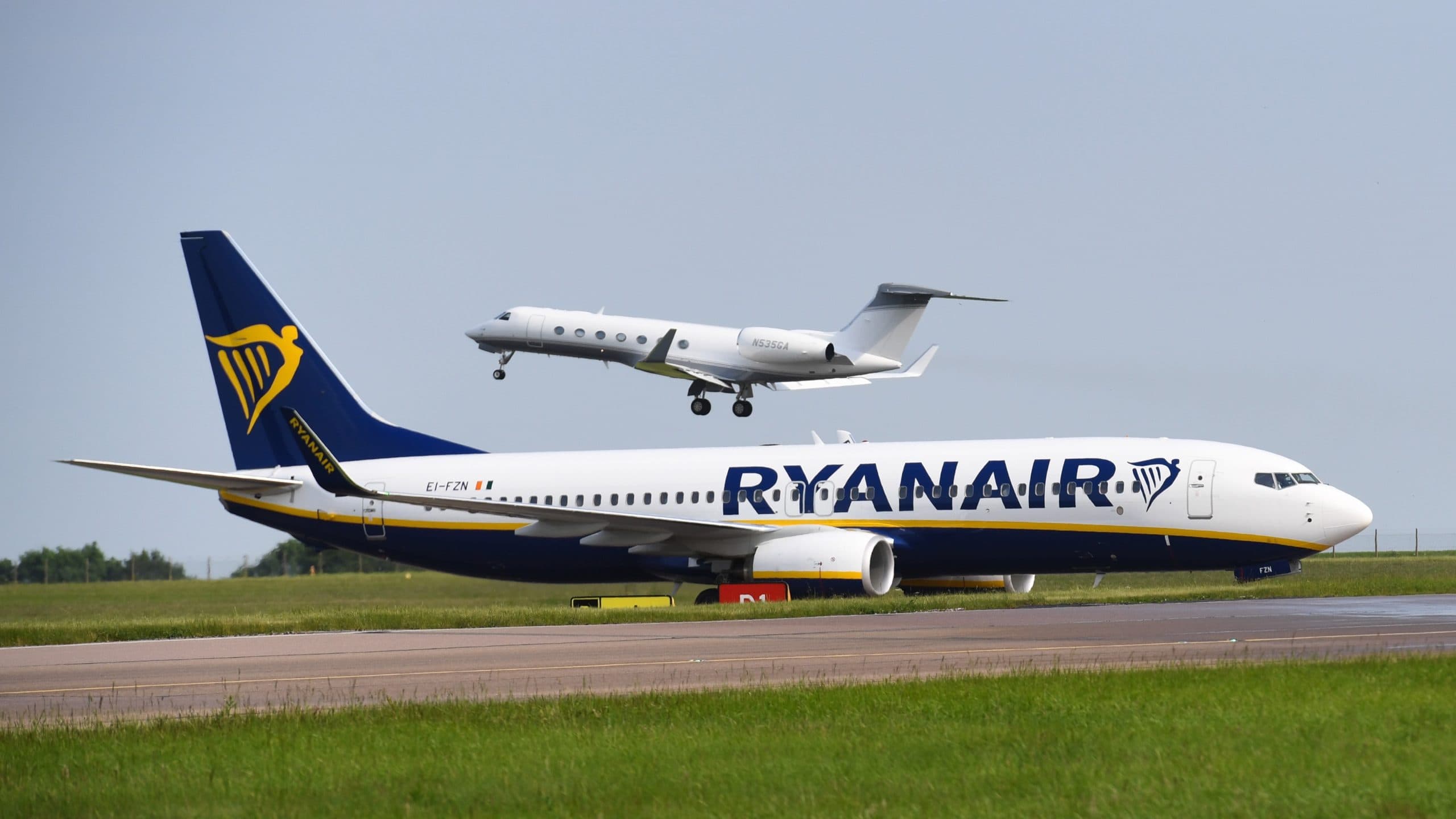
**Two recent cabin incidents on Ryanair flights have resulted in nearly €25,000 in compensation to injured passengers, underscoring key safety and legal lessons for aviation professionals.**
In the first case, an eight-year-old Irish boy, Eoin Long, suffered burns when a crew member accidentally spilled hot tea on his arm and thigh during a flight from Athens to Dublin. The incident occurred when the child was six. Onboard, a flight attendant and a passenger who was a nurse provided immediate care. Medical follow-up at arrival confirmed the burns were painful but left no permanent scars. Ryanair offered a €12,000 settlement, which was accepted and approved by the Circuit Civil Court in Ireland. The judge acknowledged the pain endured but noted the absence of lasting effects.
The second case involved Krzysztof Matkowski, a 40-year-old professional driver from County Clare, Ireland. On a flight from Shannon to Wroclaw, Poland, just before Christmas 2024, a service cart struck his left knee, causing soft tissue injury and persistent pain that affected his driving work. He initially sought up to €60,000 in damages, but the case was settled out of court for an amount below €15,000, as reported by the Irish Times.
**For ATPL and ATC students, these incidents are a practical reminder of the risks inherent in cabin service operations.** Hot beverage spills and service cart collisions are rare but monitored events in airline safety programs. The Montreal Convention governs carrier liability for in-flight damages, and airlines often prefer amicable settlements to avoid lengthy litigation. Crew training emphasizes safe handling of hot liquids, careful cart movement, and passenger awareness, especially with children. These cases also highlight the importance of immediate onboard medical response and clear communication with passengers.
**As future pilots and controllers, understanding these operational hazards and the legal framework helps you anticipate and mitigate risks.** Whether coordinating with cabin crew during turbulence or managing passenger safety announcements, awareness of such incidents reinforces the need for vigilance and adherence to procedures. The Ryanair cases show that even minor lapses can lead to significant compensation and reputational impact, making cabin safety a shared responsibility across the flight deck and cabin.