**Industry context**
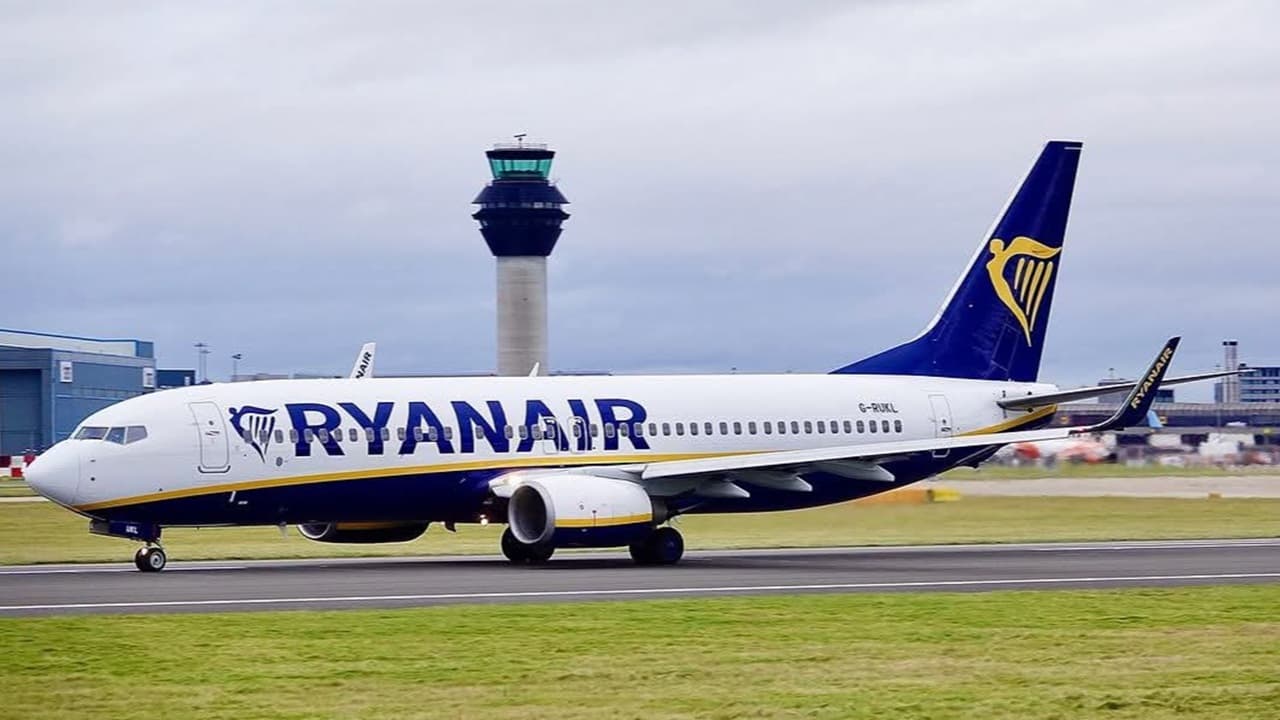
Ryanair has announced a change to its family seating policy, effective from 25 June, following pressure from the UK Competition and Markets Authority (CMA). The low-cost carrier now allows parents traveling with children aged 2–11 to opt for free random seat allocation at check-in, which will place them together – but almost certainly at the back of the aircraft. Previously, parents had to pay for reserved seats to guarantee sitting next to their children. The move aligns Ryanair with the majority of European airlines, but the airline insists it will remain revenue-neutral by continuing to charge for premium rows and advance seat selection.
**MyATPS angle: why this matters for ATPL/ATC students**
For students training as pilots or air traffic controllers, this news illustrates how regulatory pressure can directly alter airline operational procedures. Understanding the dynamics between low-cost carriers, consumer protection laws, and aviation authorities is part of the broader regulatory framework you will encounter in your career. The case also highlights the tension between safety requirements (children must sit next to an adult) and commercial strategies (seat pricing). As future aviation professionals, you need to be aware of how such policies affect passenger behaviour, boarding procedures, and even aircraft weight and balance considerations when families are systematically seated at the rear.
**Analysis**
Ryanair CEO Michael O'Leary did not hide his frustration, stating that the airline "will reluctantly comply with this industry standard" and criticising regulators for focusing on seating rather than what he sees as more pressing issues like airport monopolies and air traffic control failures. This is a classic example of regulatory intervention in a market where consumer rights and airline business models collide. For ATPL students, the takeaway is that aviation is not just about flying – it is also about navigating complex legal and commercial environments. The CMA's investigation underscores that airlines must balance profitability with fairness, and that regulators have the power to reshape even the most entrenched policies.
**Practical implications**
From an operational standpoint, seating families at the back could slightly affect boarding efficiency and cabin crew workload, as parents may need more time to settle children. It also raises questions about emergency evacuation procedures: if families are clustered at the rear, cabin crew must ensure they can assist them quickly. For ATC students, the indirect impact is minimal, but understanding airline policies helps you anticipate passenger flows and potential delays during boarding.
In summary, this story is a reminder that aviation regulation is dynamic and often contentious. As you prepare for your ATPL or ATC exams, keep an eye on how real-world events like this one reflect the principles you study in subjects like air law, human factors, and airline management.