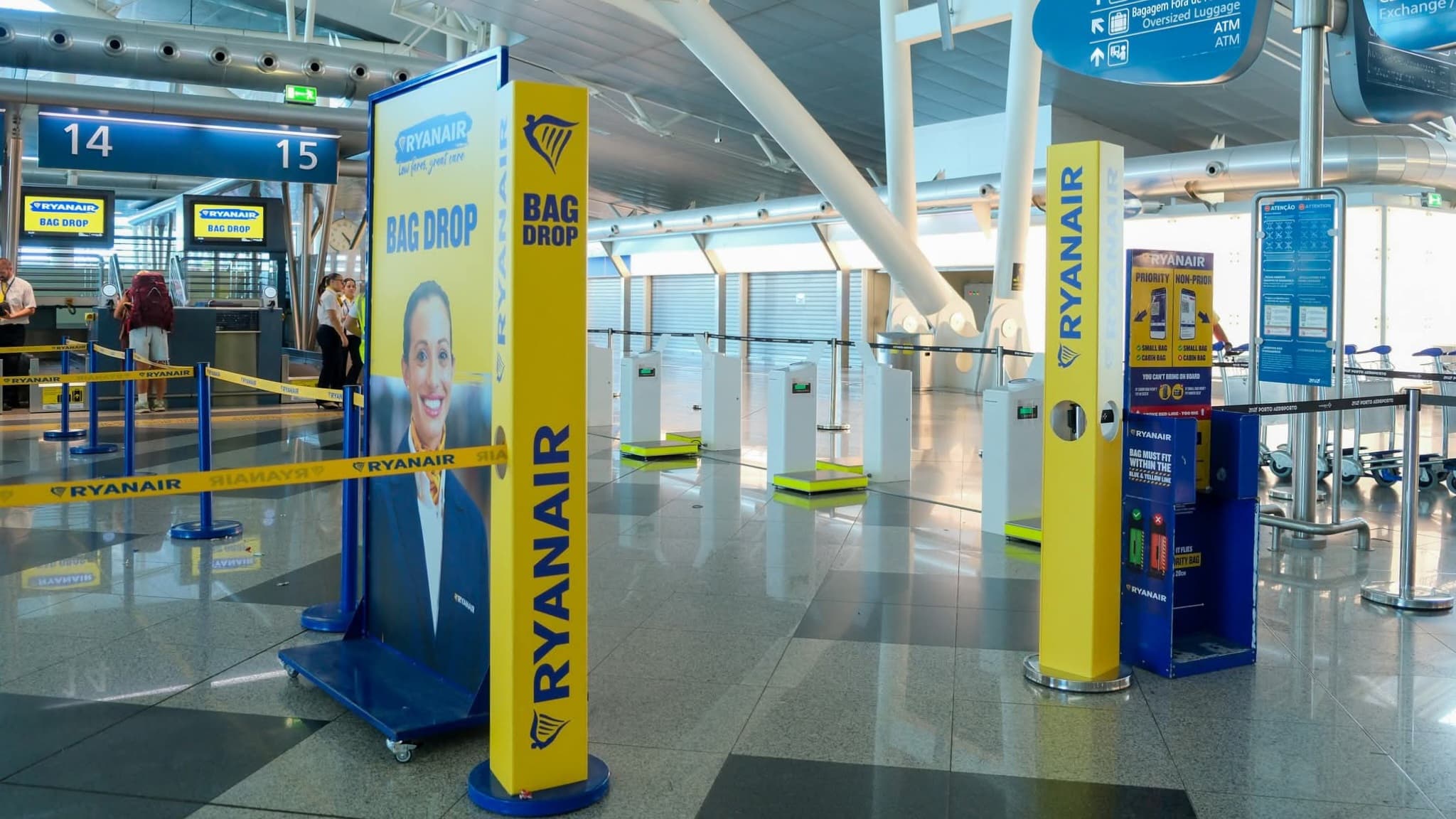
Ryanair has announced its largest winter schedule to date for the 2026/27 season, offering 80 million seats across 1,700 routes in 35 countries, including more than 140 new connections. The low-cost carrier aims to capitalize on demand for winter sun, ski holidays, Christmas markets, and short city breaks, all while maintaining its low-fare model that has made it a dominant force in European aviation. This record winter program is now available for booking on Ryanair's website and mobile app.
**Focus on Key European Markets**
Ryanair is reinforcing its presence in several regional markets. In Slovakia, it will base a fourth aircraft in Bratislava for winter 2026, expanding its network to 23 routes, including new services to Paphos, Tirana, Turin, and Warsaw-Modlin. This investment of approximately $400 million is expected to boost traffic to 2 million passengers annually at the Slovak hub. In Poland, Ryanair announces a record winter program for Gdańsk and Poznań, with additional based aircraft and new destinations. Gdańsk will see six aircraft stationed (two more than last year), enabling 11 new routes—such as Agadir, Budapest, Catania, Liverpool, Madrid, Milan-Malpensa, Porto, Bucharest, Palermo, Tirana, and Turin—for a total of 37 lines and about 1.3 million seats. Poznań will also gain a fifth based aircraft, 26 routes total, and new connections to Barcelona, Porto, Shannon, and Tirana.
**Volume Strategy Amid Targeted Cuts**
This expansion aligns with Ryanair's typical strategy of increasing winter frequencies while reallocating capacity to the most profitable markets. However, these deployments are accompanied by reductions or withdrawals from other European platforms, depending on airport costs or fleet constraints. For ATPL and ATC students, this illustrates the dynamic nature of airline network planning—how carriers balance growth with operational efficiency, seasonal demand, and cost pressures. Understanding these patterns is crucial for future pilots and controllers who will navigate an industry where capacity shifts are common.
**Implications for Aviation Training**
For ATPL students, this news underscores the importance of understanding airline business models and seasonal operations. Pilots must be prepared for varying schedules, base assignments, and route networks that change with each season. ATC students, meanwhile, can learn how such expansions impact air traffic flow, slot coordination, and airport capacity management, especially at regional hubs like Bratislava or Gdańsk. The ability to adapt to fluctuating traffic volumes is a key skill in both cockpits and control towers.