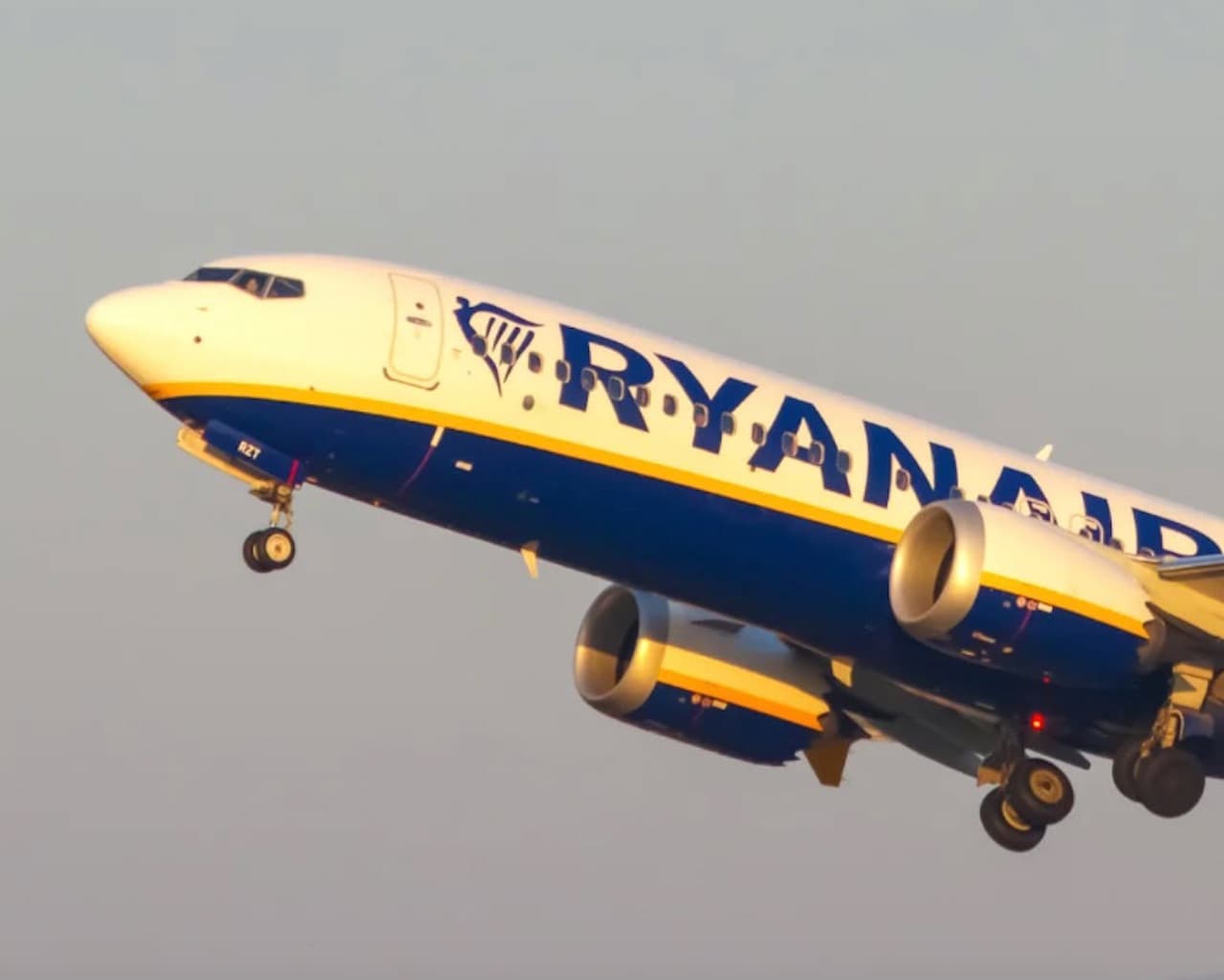
In a startling series of incidents, two Ryanair flights bound for Marrakech departed from French airports without their passengers, exposing critical weaknesses in airport security and border control systems. At Paris-Vatry Airport on April 14, a Boeing 737 took off empty after all security personnel from the contractor Sécurus called in sick, leaving 192 passengers stranded. Days later, at Marseille-Provence Airport on April 18, 83 passengers missed their flight due to congested border police checks, exacerbated by the rollout of the European Entry/Exit System (EES), which has lengthened processing times for non-EU travelers. These events follow a similar incident at Tours-Val de Loire Airport in March, where 24 passengers were left behind after extended security and customs delays.
From an aviation industry perspective, these failures underscore the fragility of passenger handling chains when multiple stressors converge. Security staffing gaps, border control inefficiencies, and new biometric requirements like EES create bottlenecks that can disrupt flight schedules and compromise safety protocols. For airlines like Ryanair, operating on tight turnarounds and slot constraints, such disruptions lead to financial losses, reputational damage, and complex liability battles. The incidents also reflect broader challenges in European aviation infrastructure, where post-pandemic recovery and regulatory changes strain existing resources.
For ATPL and ATC students, this news is a practical lesson in operational risk management and regulatory compliance. Understanding how security and border control failures impact flight operations is crucial for future pilots and controllers, who must navigate similar scenarios in their careers. These events highlight the importance of contingency planning, communication between airport stakeholders, and knowledge of passenger rights under EU Regulation 261/2004. Students should note that such disruptions can affect flight planning, crew scheduling, and air traffic flow, requiring adaptive strategies to maintain safety and efficiency.
The responsibility debate among airport operators, security providers, border police, and airlines reveals a fragmented accountability framework. At Vatry, the airport blamed Sécurus for the staff shortage, while Ryanair cited external circumstances to deny compensation, arguing it falls under 'extraordinary events' like strikes. Passengers, however, contest this, pointing to the simultaneous sick leave as a management failure rather than an unavoidable incident. In Marseille, tensions escalated as some travelers allegedly triggered fire alarms in frustration, risking legal repercussions. This blame-shifting complicates passenger claims and underscores the need for clearer protocols and shared responsibility models in aviation operations.
Ultimately, these incidents serve as a wake-up call for the aviation sector to address systemic vulnerabilities. Enhanced staffing, better coordination, and technology integration, such as automated border systems, could mitigate future risks. For students, staying informed about such cases builds a deeper understanding of real-world aviation challenges, preparing them to contribute to more resilient and passenger-centric operations in their future roles.