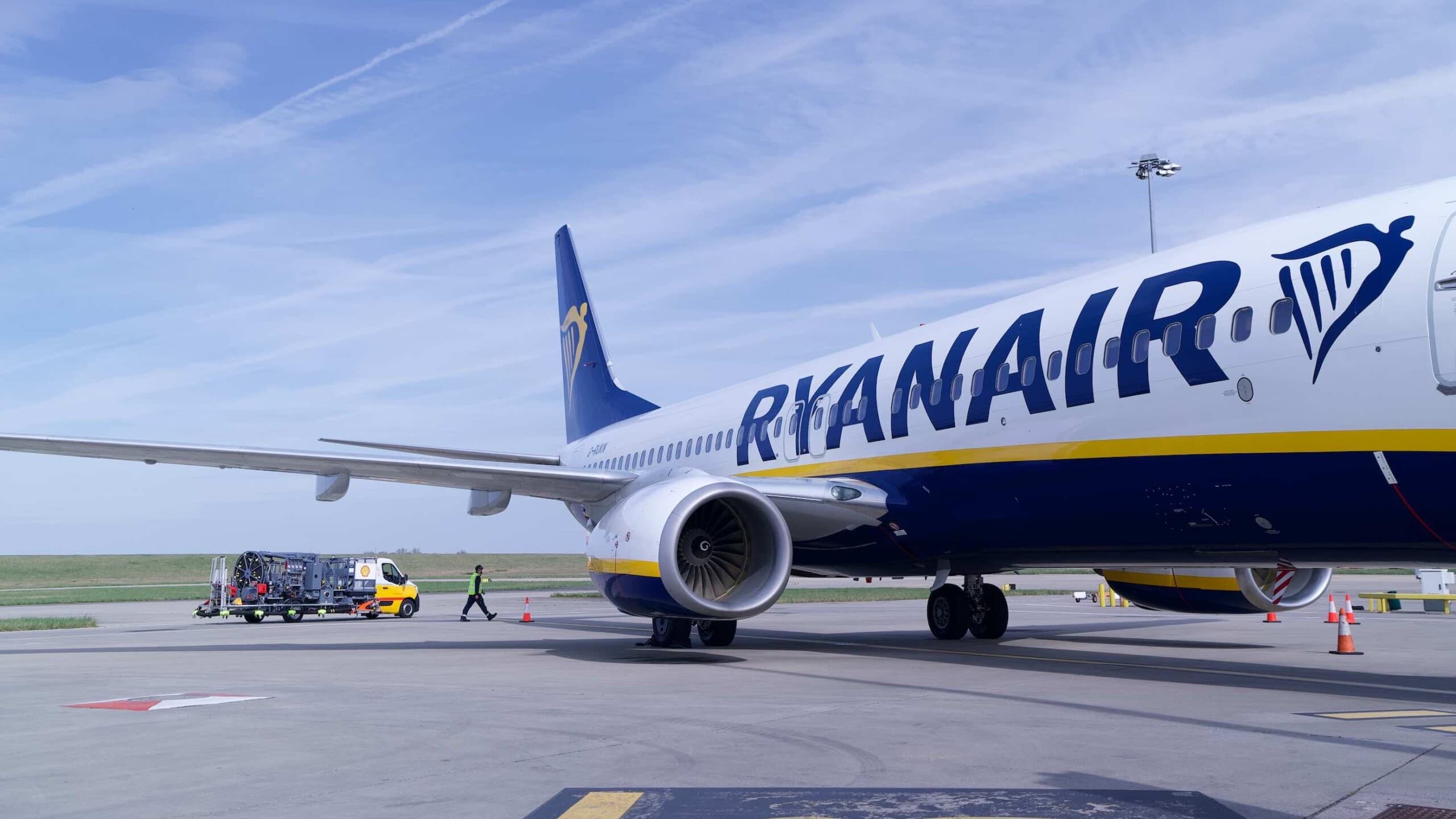
Ryanair has announced a significant operational adjustment, extending the closure of all check-in and baggage drop counters to 60 minutes before scheduled departure, effective from November 10, 2026. This marks an increase from the current 40-minute cutoff, a move the airline attributes to addressing prolonged security and border control queues in European airports post-pandemic. With over 200 million passengers annually, Ryanair aims to enhance flight punctuality and reliability by giving passengers more time to navigate airport bottlenecks, thereby reducing the small but notable number of missed flights due to delays in processing.
In the broader industry context, this shift reflects the ongoing challenges faced by European airports, including high traffic volumes, staffing shortages, and stringent security requirements. Ryanair's decision underscores a trend toward stricter pre-flight timelines to mitigate operational disruptions. For ATPL and ATC students, this highlights the critical interplay between airline scheduling, airport infrastructure, and passenger flow management—key factors in maintaining on-time performance and minimizing delays that can ripple through air traffic networks.
From a MyATPS perspective, this change offers a practical case study in airline operations and passenger handling. Approximately 20% of Ryanair's passengers, those with checked baggage, will face tighter deadlines, necessitating earlier arrivals at airports. In contrast, 80% traveling with cabin baggage only can continue using online check-in, unaffected by the new rule. This distinction emphasizes the growing reliance on digital solutions in aviation, a trend ATPL students must understand as they prepare for careers where efficiency and automation are paramount.
Ryanair is complementing this policy with accelerated automation, planning to install self-service baggage drop kiosks in over 95% of its network airports by October 2026. Integrated with the Ryanair app, these kiosks allow passengers to print baggage tags and drop luggage independently, streamlining processes and reducing queue times. This move aligns with the airline's broader digitalization strategy, including the shift to digital boarding passes, which reduces reliance on airport staff and paper-based systems.
For aviation professionals in training, Ryanair's adjustments serve as a reminder of how operational tweaks can impact overall system efficiency. ATPL students should note the importance of adhering to check-in deadlines and understanding airline-specific policies to avoid disruptions. ATC students, meanwhile, can observe how such changes influence ground operations and departure sequencing, affecting air traffic management. As low-cost carriers like Ryanair drive industry standards, staying informed about these evolutions is crucial for navigating the dynamic aviation landscape.