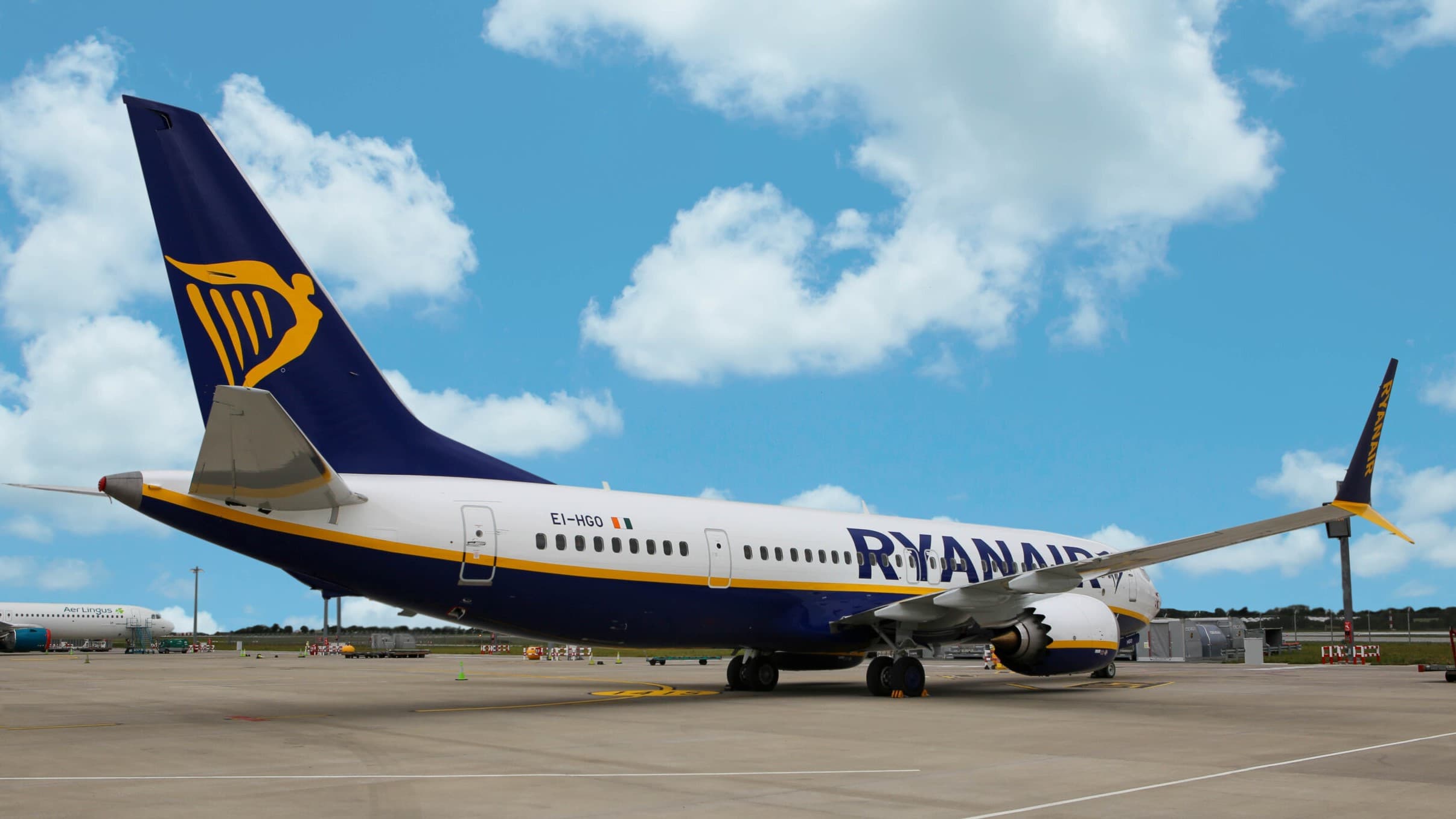
**Ryanair's Warsaw expansion: a strategic move for ATPL and ATC students**
Ryanair's announcement of a record winter 2026 program from Warsaw, with two additional Boeing aircraft based at Modlin and a total of 46 routes (12 new), targeting 4 million annual passengers, is more than just a commercial milestone. For ATPL and ATC students, this expansion illustrates how low-cost carriers drive operational complexity, network planning, and air traffic management in a competitive environment.
**Operational impact at Modlin and Chopin**
The addition of two Boeing 737s at Modlin brings the based fleet to eight aircraft, representing an $800 million investment. This growth will increase annual traffic at Modlin from 1.5 million to over 3.2 million passengers, supporting 2,500 local jobs, including 240 pilot and cabin crew positions. For ATPL students, this means more opportunities for employment, but also a need to understand base-specific operations, crew scheduling, and the dynamics of a multi-base airline. ATC students should note the increased pressure on Warsaw's airspace, with 30 routes from Modlin and 16 from Chopin, requiring efficient coordination between the two airports and integration with LOT Polish Airlines' operations.
**Network planning and competition**
The 12 new routes include destinations like Bratislava, Bristol, Manchester, Shannon, Zagreb (from Modlin), and Bari, Bologna, Catania, Liverpool, Naples, Turin, Venice (from Chopin). This mix of leisure and business destinations reflects Ryanair's strategy to capture both southern European holiday traffic and UK/Ireland affinity flows. For ATPL students, this demonstrates how route planning considers seasonal demand, aircraft utilization, and competition. The direct challenge to LOT Polish Airlines on its home turf highlights the importance of market analysis and competitive strategy in airline management.
**Long-term implications for aviation training**
Ryanair's long-term plan to triple Modlin traffic to 5 million passengers by 2030, with terminal expansion and a future rail link, underscores the need for infrastructure planning and intermodal connectivity. ATC students should consider how such growth affects airspace design, slot coordination, and noise management. The creation of 240 well-paid pilot and crew jobs reinforces the value of professional training and type ratings, especially for those targeting low-cost carriers. This expansion also serves as a case study in how airlines adapt to market conditions, regulatory frameworks, and airport agreements.
**Conclusion**
Ryanair's Warsaw expansion is a textbook example of low-cost carrier growth in a competitive European market. For ATPL and ATC students, it offers practical insights into fleet planning, network design, operational challenges, and the human factors of airline expansion. Understanding these dynamics is essential for future aviation professionals who will work in or alongside such operations.