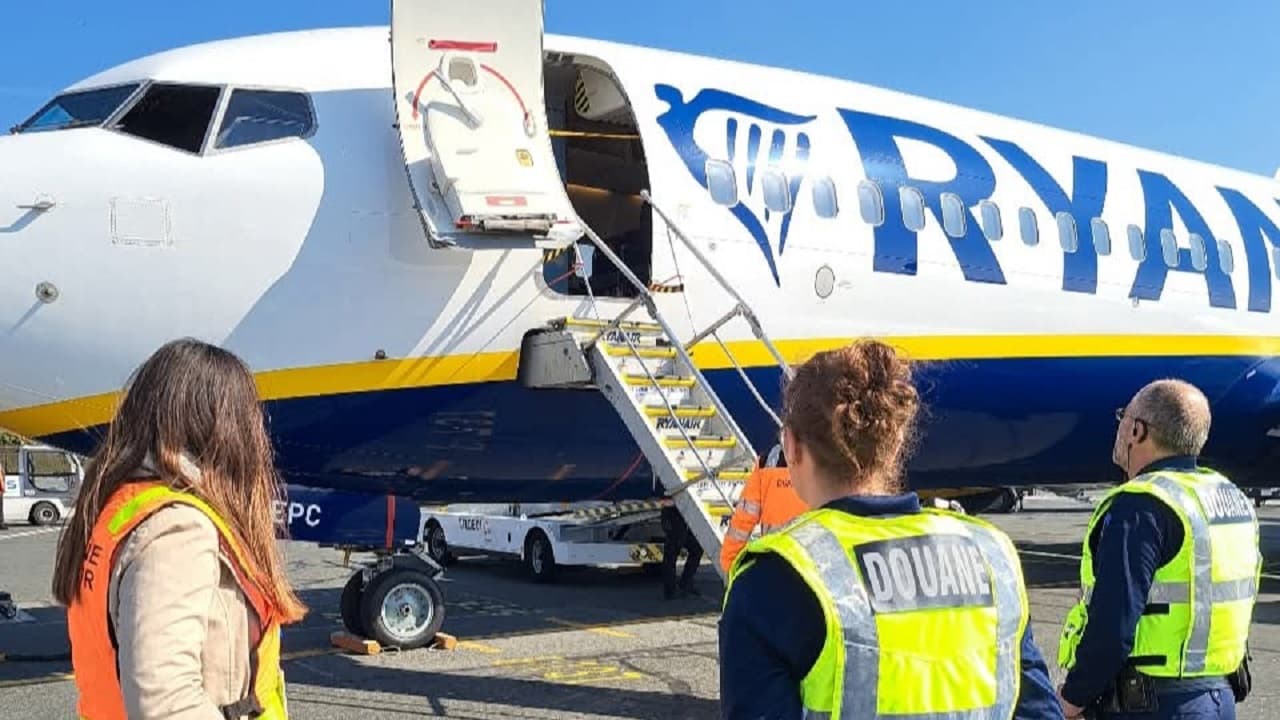
**Ryanair’s aggressive expansion in Bratislava**
Ryanair has announced it will base a fourth Boeing 737 at Bratislava's M. R. Štefánik Airport starting October 2026, bringing its winter 2026/27 network to a record 23 routes. The Irish low-cost carrier expects to carry over 2.2 million passengers per year through the Slovak capital, a 125% increase in traffic. The investment, valued at $400 million, is tied to the Slovak government's pro-growth policies, which include a 30% reduction in air traffic control (ATC) fees and the elimination of environmental taxes on aviation.
**New routes and strategic positioning**
Four new winter destinations will be added: Paphos (Cyprus), Tirana (Albania), Turin (Italy), and Warsaw-Modlin (Poland). These complement an existing network spanning sun-and-leisure destinations across the Mediterranean, as well as major European cities like London-Stansted, Dublin, Brussels-Charleroi, and Milan-Malpensa. The expansion positions Bratislava as a low-cost alternative to Vienna, capturing passengers from eastern Austria who are willing to cross the Danube for cheaper fares.
**Impact on aviation training and careers**
For ATPL and ATC students, this expansion signals sustained demand for pilots and cabin crew in Central Europe. Ryanair states the new base will support over 1,600 local jobs, including 120 pilot and cabin crew positions. The growth also highlights the critical role of ATC fee structures in shaping airline network decisions—a key topic in air transport economics modules. Students should note how regulatory environments directly influence route planning and fleet allocation, as seen here with Slovakia's deliberate cost-cutting strategy.
**Broader industry context**
Bratislava's rapid growth—148% passenger increase in Q1 2026 alone—demonstrates how low-cost carriers can transform secondary airports into major hubs when supported by favorable policies. This case study is relevant for understanding airline business models, airport competition, and the interplay between public policy and aviation growth. For ATC trainees, the reduction in ATC fees also raises questions about service quality and capacity management at smaller airports experiencing sudden traffic surges.