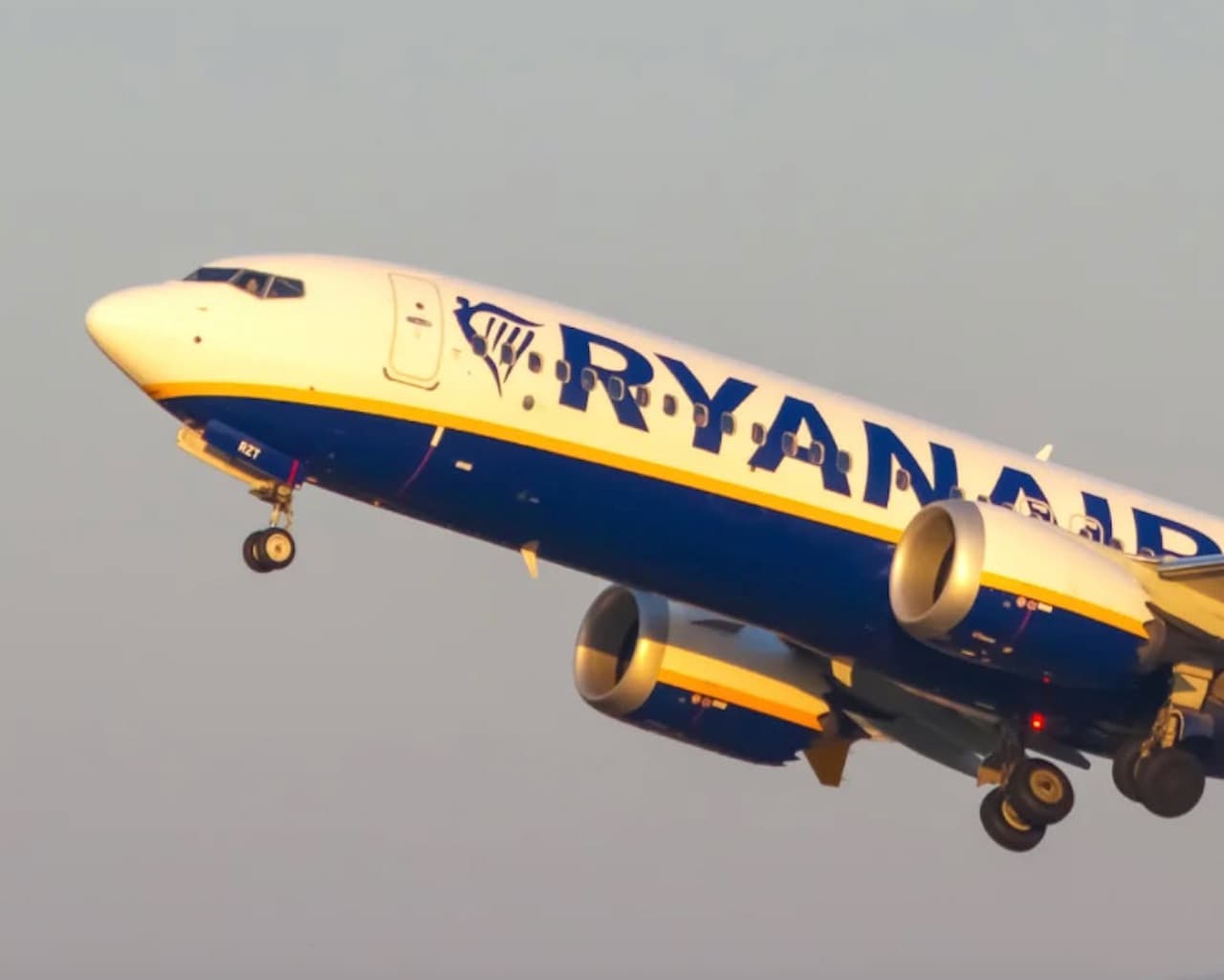
The European aviation industry is bracing for a turbulent summer 2026 as Ryanair CEO Michael O'Leary warns that several airlines could face bankruptcy if jet fuel prices remain at record levels. Speaking at a conference in Oslo, O'Leary stated that sustained prices around $150 per barrel during July, August, and September would lead to the disappearance of some European carriers, a scenario he described as "probably positive in the medium term for Ryanair's business." Ryanair claims to be the best-protected airline in Europe, with 80% of its summer fuel needs hedged, allowing it to avoid price hikes or fuel surcharges. However, the broader industry is under severe pressure due to the closure of the Strait of Hormuz, which has disrupted refined product flows to Europe since late February. The IATA Jet Fuel Price Monitor reported jet fuel at $179 per barrel in late April, while the International Energy Agency warned that Europe has only about six weeks of jet fuel stocks if Gulf supplies remain blocked. Europe depends on the Middle East for nearly 75% of its net aviation fuel imports.
Low-cost carriers are not all equally protected. EasyJet reported an additional fuel cost of £25 million ($34 million) for March alone and posted a loss of £540-560 million for the six months ending March 31. The airline has hedged 70% of its summer fuel needs at $706 per metric ton, leaving 30% exposed to volatile prices. Legacy carriers are already cutting capacity: Lufthansa announced the cancellation of 20,000 short-haul flights between May and October 2026 across its six European hubs, saving over 40,000 tonnes of fuel. SAS canceled about 1,000 flights in April due to poor fuel hedging, and KLM is reducing capacity by around 80 flights. These cuts reflect the industry's struggle to absorb soaring fuel costs, which are exacerbated by geopolitical tensions in the Middle East.
For ATPL and ATC students, this situation highlights the critical importance of fuel hedging and operational efficiency in airline management. Understanding how fuel price volatility impacts route planning, capacity decisions, and airline profitability is essential for future aviation professionals. The crisis also underscores the vulnerability of European aviation to geopolitical disruptions, a key consideration in strategic planning and risk assessment.