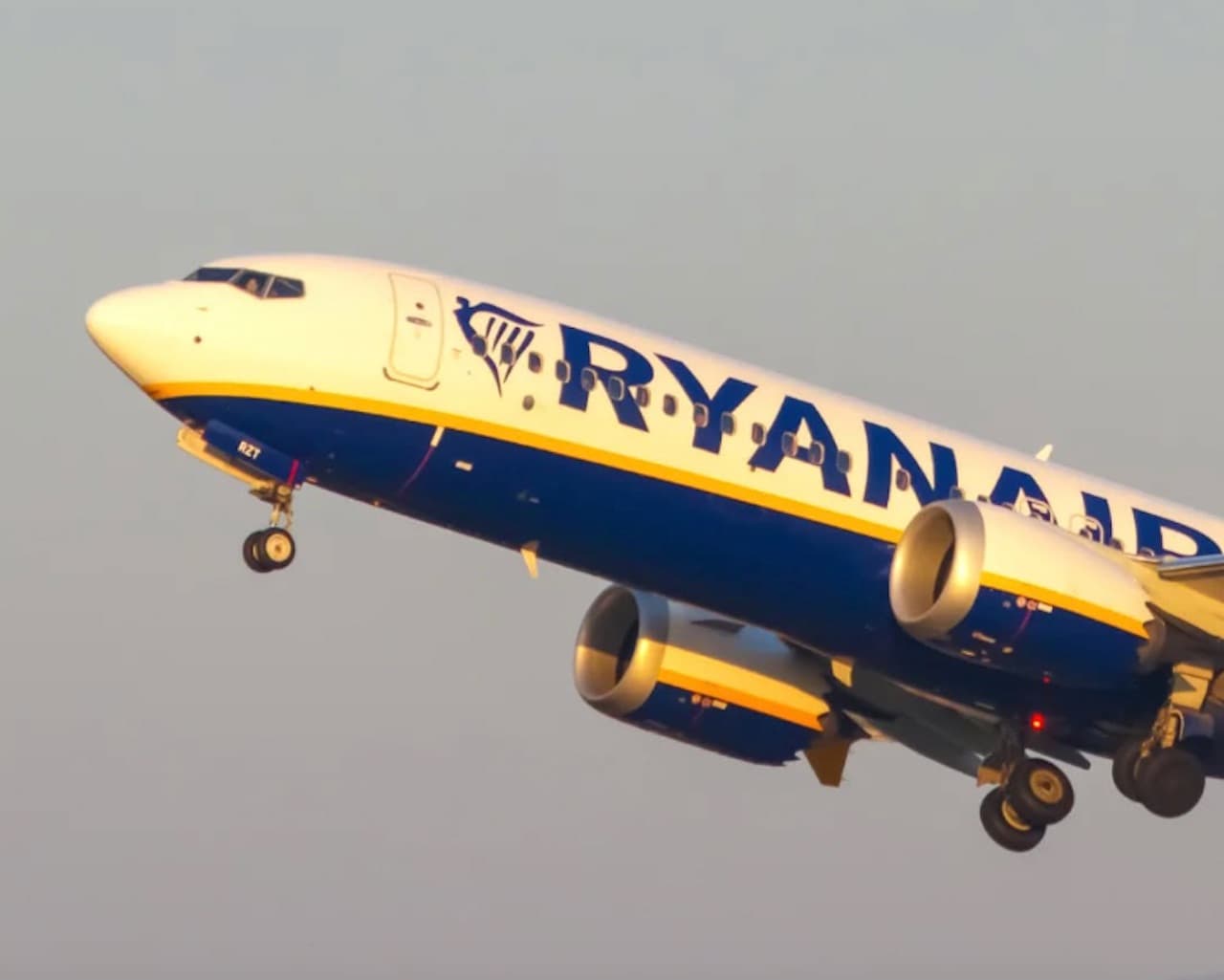
**Ryanair CEO Michael O'Leary has reignited the debate on alcohol sales in airports, calling for a ban on early-morning drinks that he directly links to a surge in unruly passenger behavior and flight diversions.** In an interview with *The Times*, O'Leary questioned the logic of serving alcohol at 5 or 6 a.m., arguing that airport bars operating outside standard licensing hours exploit a regulatory loophole. He noted that while UK city-center pubs face strict time restrictions, airside bars can sell alcohol from the first flights of the day, often before 6 a.m. Ryanair claims it now diverts "almost one flight per day" due to disruptive passengers, up from roughly one per week a decade ago. Each diversion carries significant operational and financial costs—extra fuel, lost slots, passenger compensation, and cascading delays across the airline's tightly scheduled network.
**O'Leary specifically targeted airport bars and restaurants, accusing them of profiting from the system by selling unlimited alcohol during delays, knowing the problem will be "exported" to airlines.** He proposed capping alcohol sales at two drinks per passenger using boarding passes and restricting sales hours, though he did not suggest similar limits on Ryanair's own in-flight service. The airline already limits onboard alcohol to two drinks per passenger in most cases. The call comes as regulators across Europe tighten rules on disruptive passengers. In the UK, being drunk on an aircraft is a criminal offense punishable by fines up to £5,000 and up to two years in prison. Ryanair itself filed a civil lawsuit in 2024 against a passenger who caused a Dublin–Lanzarote flight to divert to Porto, seeking over €15,000 in damages.
**The broader regulatory landscape is shifting. France published a decree in November 2025 creating a national database for airlines to report disruptive behavior, with administrative fines up to €10,000 (€20,000 for repeat offenses) and boarding bans of up to four years.** The UK's Jet2 has similarly called for a shared database of unruly passengers across carriers. For ATPL and ATC students, this debate highlights the critical intersection of ground operations, passenger screening, and in-flight safety. Understanding how pre-boarding alcohol consumption affects crew resource management, diversion procedures, and legal liability is essential for real-world operations. The trend toward stricter regulation and data sharing also underscores the growing importance of non-technical skills like conflict de-escalation and threat assessment in modern aviation.