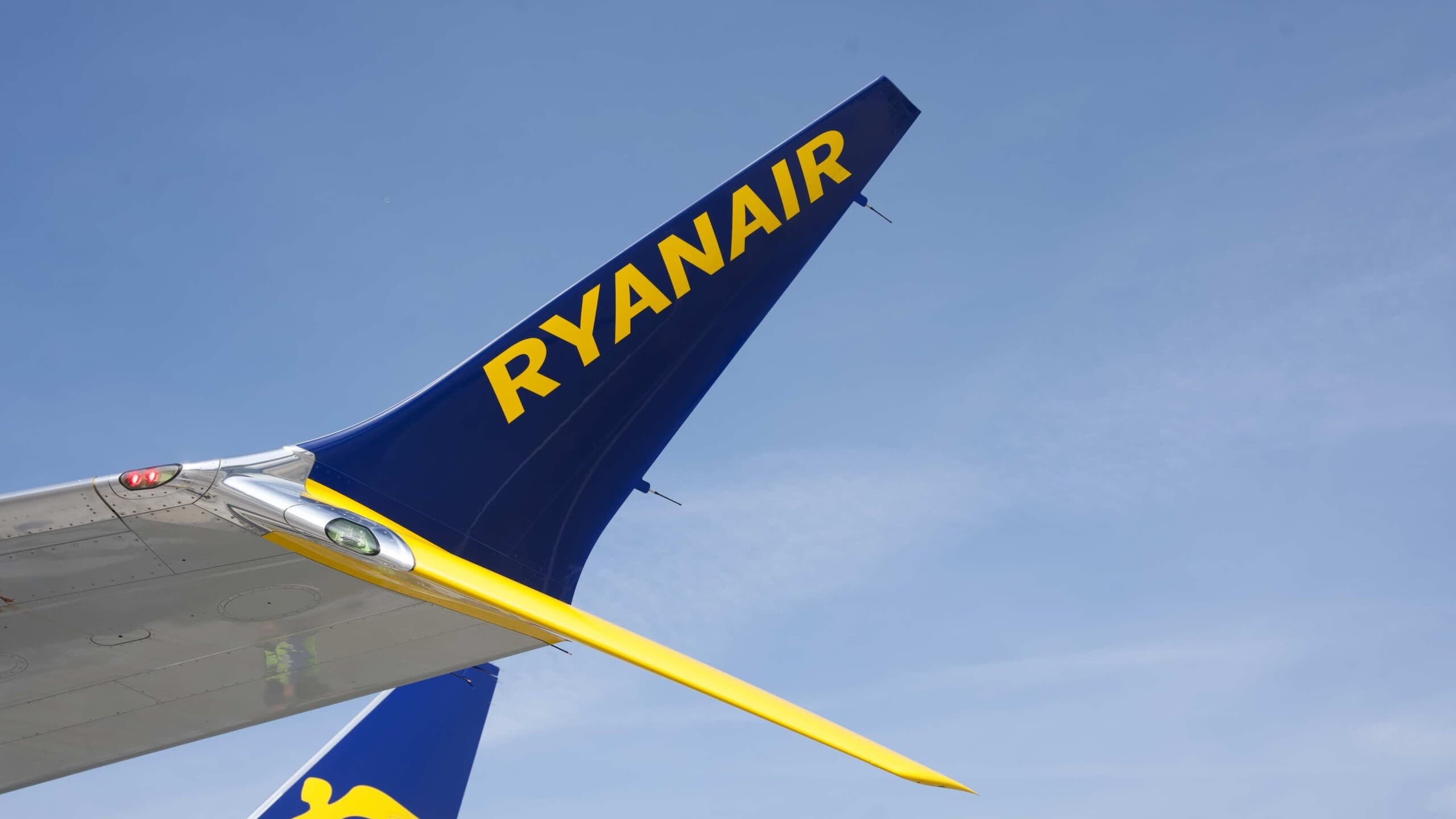
**Ryanair’s latest broadside against French air traffic control (ATC) is more than just corporate frustration – it’s a case study in the operational and regulatory pressures that shape European aviation today.**
On 9 July 2026, the Irish low-cost carrier sent a letter to European Commission President Ursula von der Leyen, backed by a French Senate report that acknowledges French ATC as “the worst in Europe.” According to Ryanair, delays attributable to French ATC surged 60% in 2025 compared to 2019, costing airlines an estimated €800 million. The airline’s CEO, Michael O’Leary, did not mince words, calling von der Leyen “useless” and demanding her resignation if she cannot implement reforms recommended by the 2024 Draghi report on European competitiveness.
**For ATPL and ATC students, this is not just a political spat – it illustrates how ATC performance directly affects flight operations, costs, and passenger experience.** Delays mean disrupted crew schedules, increased fuel burn, and compensation payouts under EU Regulation 261/2004. The report highlights that French ATC suffers from chronic understaffing, high strike frequency, and a social protocol that is costly yet ineffective. The French Court of Auditors recently confirmed that controller working hours are significantly below sector standards, and the minimum service during strikes remains weak.
**Ryanair’s two specific demands are particularly relevant for future aviation professionals.** First, it wants the European Commission to mandate that all air navigation service providers (ANSPs) be fully staffed for the morning “first wave” of flights, with fines for recurring delays. Second, it calls for protecting overflights during national ATC strikes – a long-standing issue for European carriers that see thousands of flights cancelled or delayed when French controllers walk out. Ryanair argues that overflights of French territory should continue during strikes, as is already the case in some other countries.
**The broader context matters too.** Eurocontrol data shows that ATC-related delays across Europe have more than doubled over the past decade, despite initiatives like the Single European Sky (SES) and SESAR. Ryanair claims that 21 million of its passengers faced delays or cancellations in 2025 due to ATC failures and staff shortages. The Draghi report, which was meant to boost EU competitiveness, has so far yielded little concrete action on aviation infrastructure.
**For ATPL students, this case underscores the importance of understanding ATC constraints when planning flights and managing irregular operations.** For ATC trainees, it highlights the real-world consequences of staffing decisions, strike regulations, and the push for harmonisation under SES. The French example shows how national ATC performance can ripple across the entire European network, affecting airlines, passengers, and the industry’s bottom line.