**Ryanair’s Debt-Free Milestone**
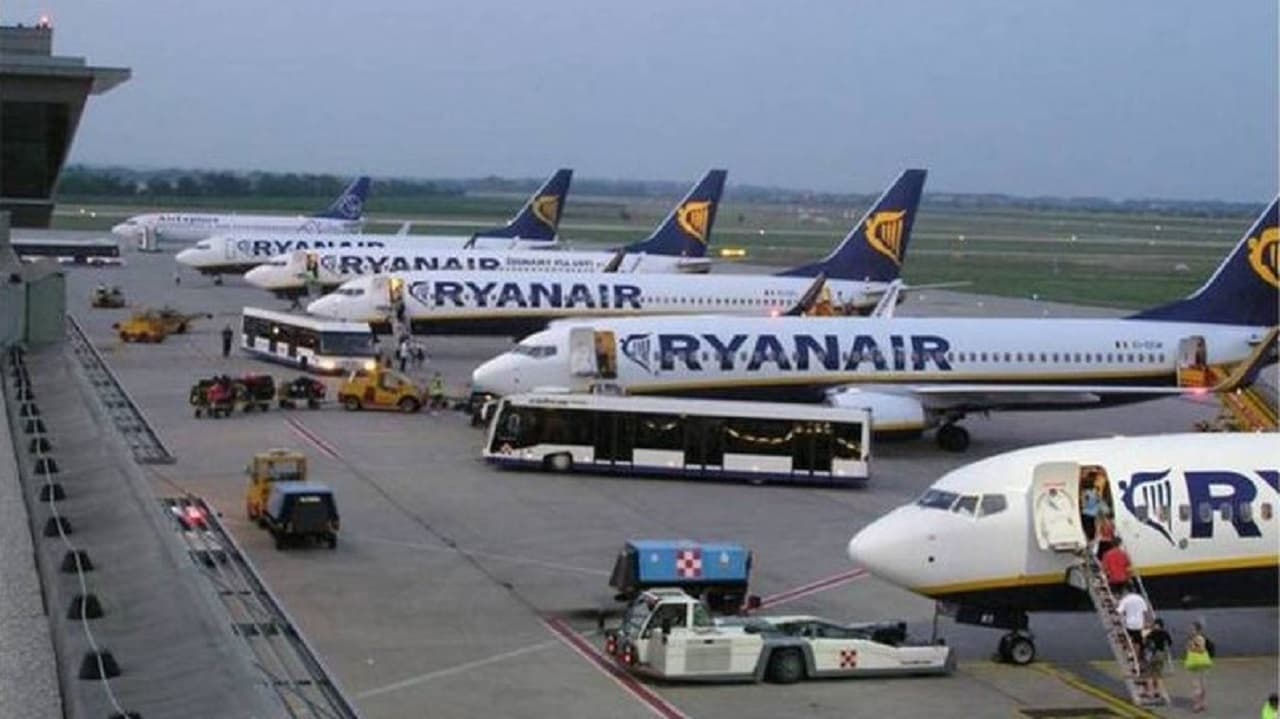
On May 25, 2026, Ryanair announced it had become "effectively debt-free" for the first time since its 1997 IPO, after repaying a €1.2 billion bond issued during the peak of the COVID-19 crisis. CFO Neil Sorahan called it a "historic day" for the airline, highlighting a balance sheet he described as a "fortress." The low-cost carrier now operates a fleet of 620 unencumbered Boeing 737s, enjoys high liquidity, and holds solid BBB+ ratings from Fitch and S&P.
**Strategic Advantage in a Competitive Market**
Ryanair’s debt-free status gives it a powerful edge over rivals like Lufthansa, Air France-KLM, and IAG, which still carry heavy long-term debts or costly leasing contracts. The airline plans to leverage this financial strength to offer significantly lower fares, putting pressure on competitors and accelerating its growth. In an industry where cost structure is everything, the ability to self-finance expansion is a game-changer.
**Record Profits Fuel the Recovery**
The debt repayment follows Ryanair’s record net profit of €2.26 billion for the 2025-2026 fiscal year, up 40% year-on-year, driven by higher fares. The airline had already signaled that this exceptional performance would allow it to quickly clear its remaining bond debt—a goal now achieved.
**What This Means for ATPL and ATC Students**
For future pilots and controllers, Ryanair’s financial health signals continued fleet growth and hiring. A debt-free airline can invest more in new aircraft, routes, and training infrastructure, which translates into more job opportunities and a stable career environment. Understanding the economics of low-cost carriers is essential for anyone entering the aviation industry, as it shapes network planning, base assignments, and operational decisions that directly affect daily operations.