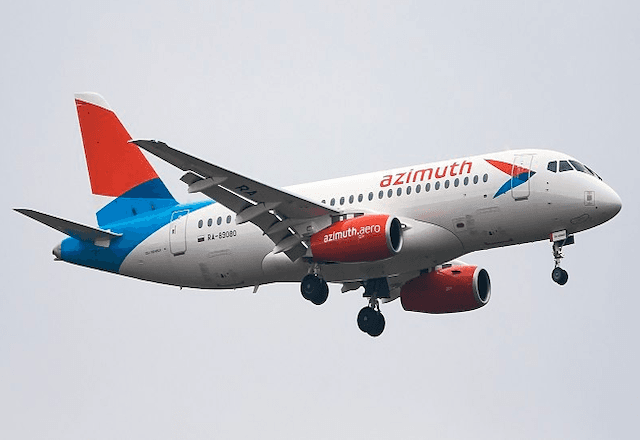
Russia's domestic aviation sector is facing a deepening crisis as a jet fuel shortage forces airlines to slash regional flight schedules. The situation, driven by a combination of refinery disruptions, rising prices, and logistical bottlenecks, offers a stark real-world lesson for ATPL and ATC students on how fuel supply chains can directly impact flight operations.
**The Scope of the Disruption**
Regional carrier Azimuth Airlines has confirmed it is adjusting flight programs across several regions due to critical fuel shortages. In a letter to the Russian Airlines Association, the carrier described the situation as "critical," noting that a major supplier has cut deliveries by about one-third. This has sent shockwaves through the entire logistics chain, forcing airlines to consider refueling at distant airports or adding technical stops—both of which increase operational costs and complicate crew scheduling. For ATPL students studying flight planning and fuel management, this is a textbook example of how fuel availability, not just cost, can constrain route networks.
**Price Surge and Economic Pressure**
The financial impact is severe. At Makhachkala Airport in the Caucasus, the price per tonne of jet fuel has jumped 64% to around 157,000 rubles (approximately €1,700 excluding VAT). Airlines, which often sell summer tickets months in advance, cannot easily pass these costs on to passengers. This puts immense pressure on financial planning and operational processes—key topics in ATPL modules on airline economics and cost management. ATC students should also note that such price volatility can lead to last-minute schedule changes, affecting slot coordination and airspace demand.
**Root Causes: Refineries Under Strain**
Behind the shortage lie structural problems in Russia's energy sector. Several refineries and fuel depots have suffered technical failures, prolonged maintenance, or incidents causing temporary shutdowns. Industry data shows that jet fuel and diesel production fell by about 10% in April and May 2026. Multiple sources attribute these disruptions to Ukrainian drone strikes on Russian refineries and fuel depots, directly impacting aviation's fuel supply. The reliance on rail transport from Siberia cannot quickly compensate for shortages in European Russia and the Caucasus, highlighting the vulnerability of centralized fuel logistics—a point relevant to ATPL students studying supply chain resilience.
**Government Intervention and Outlook**
In response, the Russian government banned jet fuel exports from early June until November 30, aiming to reserve supplies for the domestic market. While this underscores aviation's strategic importance in a vast country with limited rail alternatives, experts doubt its short-term effectiveness. Until refining capacity is fully restored, supply will remain tight. Moreover, export restrictions may reduce oil companies' revenues, potentially slowing investment in infrastructure repairs. For ATPL and ATC students, this crisis illustrates how geopolitical events, energy policy, and maintenance failures can cascade into operational disruptions—a scenario that demands adaptive planning and contingency thinking.
**Conclusion**
This real-world case reinforces the importance of fuel management, route planning, and risk assessment in aviation. Whether you are training for an ATPL or ATC rating, understanding the interplay between fuel logistics, pricing, and geopolitical factors is essential for safe and efficient operations.