**A Record Summer Program**
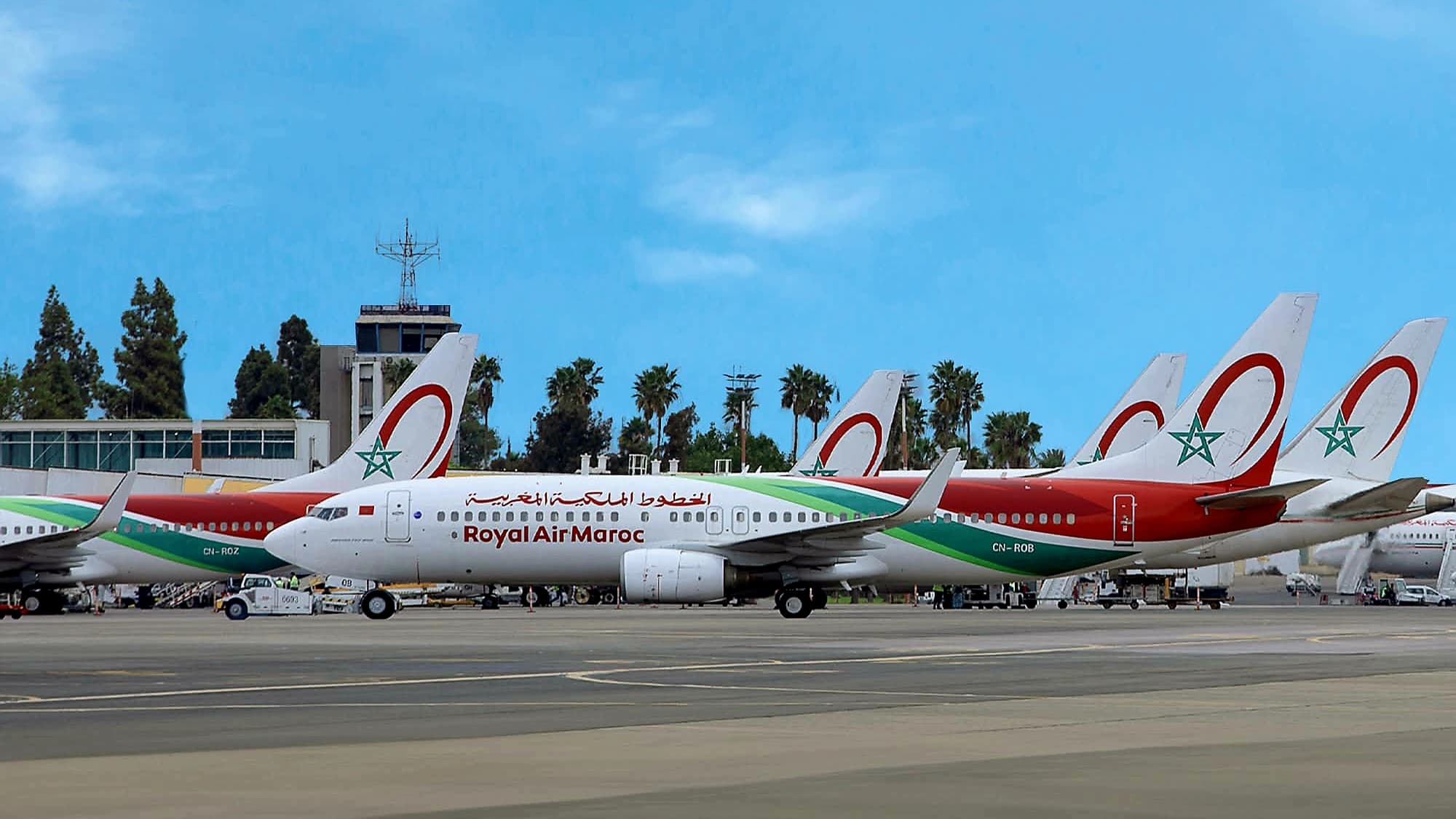
Royal Air Maroc (RAM) has unveiled an unprecedented summer 2026 schedule, offering nearly 8.2 million seats—a 23% increase over summer 2025. This expansion spans 86 international destinations across Africa, Europe, the Americas, Asia, and the Middle East, operated by a modernized fleet of 67 aircraft. The airline positions this as a strategic milestone, reinforcing its role as a hub for the Moroccan diaspora and international connectivity. For aviation students, this illustrates how airlines scale operations to meet seasonal demand, a core topic in airline management and planning.
**Regional Breakdown and Hub Strategy**
The capacity is distributed with over 3 million seats on European routes (up 22%), targeting diaspora communities, while Africa receives more than 1.8 million seats. Asia–Middle East and Americas account for 524,000 and 723,000 seats, respectively. Casablanca remains the central hub, with a schedule designed to optimize connections: European flights arrive at night, African flights during the day, facilitating smooth transfers. This hub-and-spoke model is a classic example for ATPL students studying network planning and operational efficiency.
**Pricing Pressure Despite Increased Supply**
Despite the capacity boost, fares on France–Morocco routes remain high during peak summer weeks, driven by concentrated diaspora travel. Comparators show round-trip economy tickets often exceed €400–500 on certain dates, though flexible mid-week travel can yield lower prices. For instance, Marseille–Agadir round trips start around €220–250, and Toulouse–Marrakech from €150–180 with low-cost carriers. RAM positions itself in the mid-to-high range, emphasizing direct flights, baggage inclusion, and hub connectivity. This dynamic highlights the delicate balance between supply, demand, and pricing—a key lesson for future aviation professionals.
**Fleet and Operational Readiness**
RAM will operate its entire summer program without wet leases, relying on its 67 aircraft, including new deliveries during the season. This ensures consistent cabin standards and punctuality. The airline's commitment to a young fleet and optimized connections aims to enhance passenger experience, a factor that ATPL students should consider when evaluating airline competitiveness and operational reliability.
**Implications for Training**
For ATPL and ATC trainees, this news underscores the importance of understanding seasonal capacity planning, hub operations, and pricing strategies. It also demonstrates how airlines adapt to market demands, a theme relevant to modules on air transport economics and operational management.