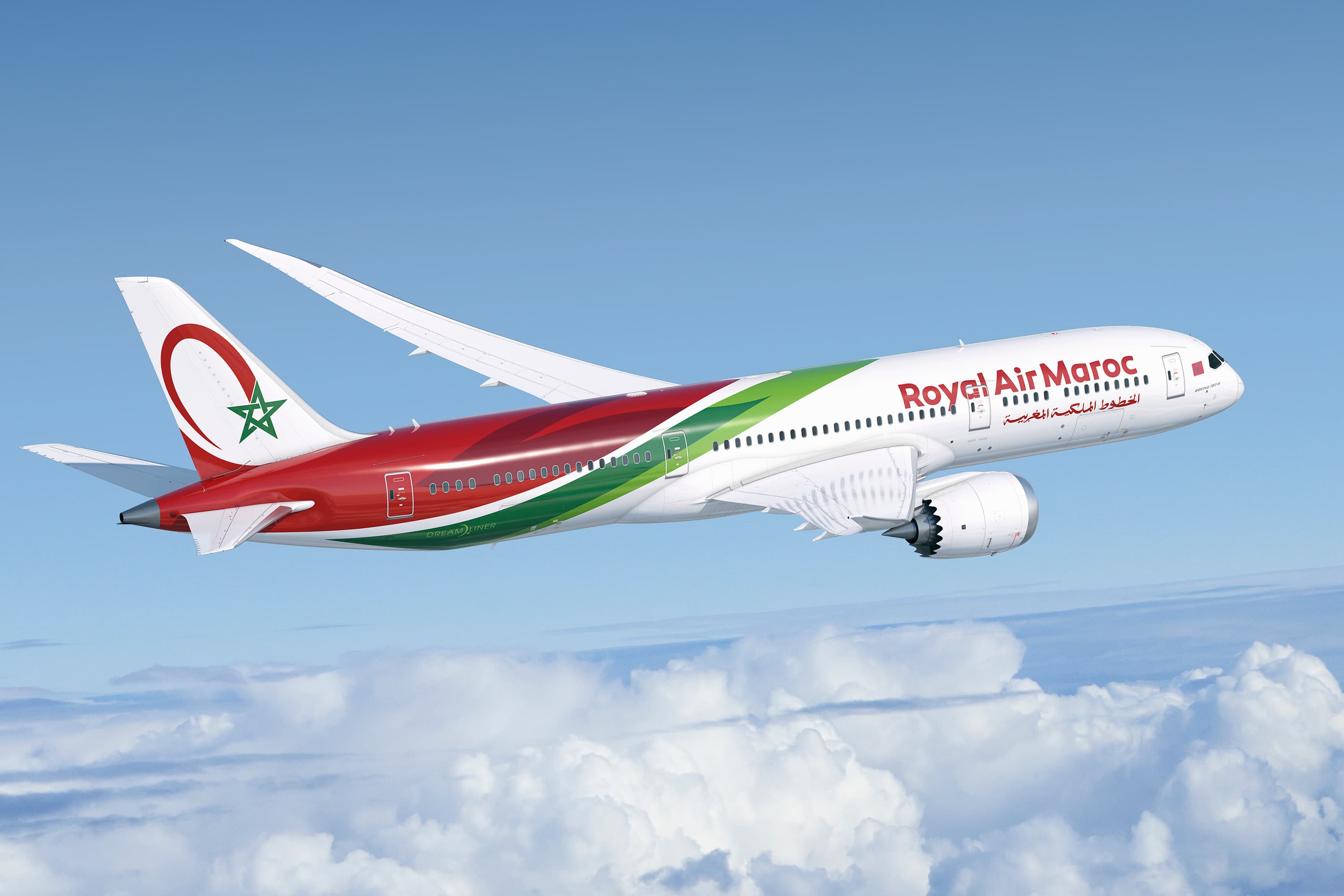
Royal Air Maroc (RAM) has made history by launching the first non-stop flight between Casablanca and Los Angeles, connecting North Africa to the US Pacific coast. The inaugural flight, AT250, departed Mohammed V International Airport on June 7, 2026, at 04:00 local time, covering the approximately 12-hour journey to California. The route will operate three times weekly on Boeing 787-9 Dreamliners, with departures from Casablanca on Tuesdays, Fridays, and Sundays at 04:00, arriving at Los Angeles International Airport (LAX) at 08:20. Return flights leave LAX at 10:20, landing in Casablanca the following day at 05:25.
This expansion is part of RAM's broader strategy to become Africa's leading carrier and to solidify Casablanca as a major intercontinental hub. The airline already serves New York, Washington, Miami, Montreal, and Toronto from Casablanca, and the new Los Angeles route adds a crucial West Coast link. CEO Hamid Addou emphasized the symbolic timing, noting the 250th anniversary of US-Morocco relations and the upcoming 2026 FIFA World Cup in North America, which will drive demand from both the Moroccan diaspora and international travelers.
For ATPL and ATC students, this route offers a rich case study in long-haul operations. The 12-hour flight time requires careful fuel planning, crew scheduling (likely requiring augmented crews under EASA or FAA regulations), and consideration of ETOPS (Extended-range Twin-engine Operational Performance Standards) for the 787-9 over the Atlantic. ATC students can analyze the coordination between Casablanca ACC, oceanic control (likely Shanwick or Santa Maria), and US centers like Los Angeles Center. The route also highlights the importance of hub connectivity: Casablanca serves as a gateway for passengers from across Africa connecting to the US, which involves complex baggage transfer, customs, and immigration logistics.
RAM's fleet choice—the Boeing 787-9 Dreamliner—is significant for its fuel efficiency and passenger comfort, both critical for long-haul profitability. The aircraft's range of over 7,500 nautical miles makes the Casablanca–Los Angeles sector feasible without technical stops. Students should note that this route competes with other carriers offering one-stop connections via European hubs, and RAM's success will depend on its ability to offer competitive fares and seamless connections from African cities.
The launch also reflects broader industry trends: the growth of point-to-point long-haul routes bypassing traditional European hubs, and the increasing role of African carriers in global aviation. For ATPL students studying airline economics, this is a textbook example of network planning—how a carrier identifies underserved markets, matches aircraft capability to route length, and leverages seasonal events (World Cup, Olympics) to stimulate demand. ATC students can explore the airspace management implications of adding a new transatlantic track, including slot coordination at LAX and the integration of Casablanca into the North Atlantic Organized Track System (OTS).