**Royal Air Maroc's World Cup Air Bridge: A Logistics Masterclass**
Royal Air Maroc (RAM) has announced a special program of 12 direct flights between Casablanca and Boston to transport thousands of Moroccan supporters to the 2026 FIFA World Cup quarterfinal match on July 9. This follows the Atlas Lions' dramatic qualification, triggering a surge in travel demand that the national carrier is meeting with a dedicated air bridge. The operation extends RAM's earlier strategy during the group stage, when it operated 32 charter flights to Monterrey (Mexico), Boston, Atlanta, and New York.
**Capacity and Fleet: 3,600 Seats on Wide-Body Aircraft**
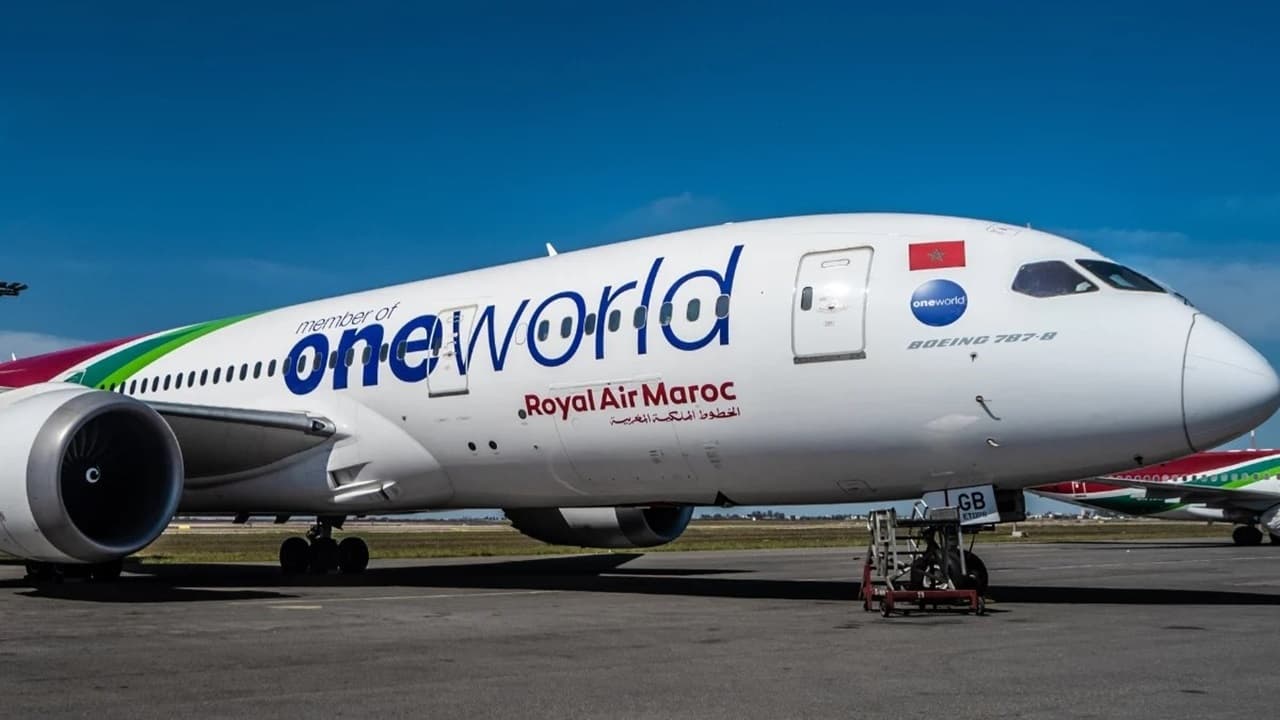
The 12 flights will be operated using wide-body aircraft, primarily Boeing 787-8 and 787-9 Dreamliners, each configured for long-haul service with capacities ranging from 270 to over 300 seats. This fleet choice balances seat density, range, and passenger comfort on a transatlantic sector exceeding seven hours. The total capacity of 3,600 seats is a significant injection into a market that would otherwise face extreme price volatility. For ATPL and ATC students, this is a textbook example of how airlines manage irregular operations (IROPS) and peak demand: slot coordination, crew scheduling, and fleet availability are all pushed to their limits.
**Pricing Strategy: Fixed Fare, Non-Refundable**
RAM has set a fixed round-trip fare of 10,000 MAD (approximately €934) in economy class, with tickets being non-changeable and non-refundable. This pricing model is typical for large-scale charter operations, as it secures load factors and simplifies operational planning. From a commercial aviation perspective, it demonstrates how airlines use yield management in reverse: instead of dynamic pricing, they offer a flat rate to maximize accessibility while protecting revenue. The tickets are sold through RAM's commercial agencies in Morocco and a dedicated online portal, a digital channel that complements traditional sales.
**Broader Context: The Monterrey Precedent**
This Boston air bridge follows a similar operation to Monterrey, Mexico, during the round of 16. That earlier deployment proved the viability of RAM's charter model for World Cup traffic. For students, this illustrates the importance of scalability in airline operations: a strategy tested on a smaller scale (Monterrey) can be rapidly scaled up (Boston) when demand spikes. It also highlights the role of national carriers in supporting major events, a topic often covered in ATPL airline management modules.
**Why This Matters for ATPL and ATC Students**
For ATPL candidates, this case study touches on flight planning (transatlantic sectors, ETOPS), aircraft performance (Boeing 787 payload-range), and commercial operations (charter vs. scheduled service). For ATC trainees, the coordination of 12 additional flights into a major US hub like Boston during a peak period is a real-world example of slot management and airspace capacity planning. The operation also underscores how geopolitical and sporting events can drive sudden changes in traffic patterns, a key concept in air traffic flow management.