The conflict between Ryanair and Aeroporti di Roma (AdR) over airport fees, flight caps, and commercial incentives has escalated, turning Rome into a microcosm of the tensions between low-cost carriers and hub airports. Ryanair, which operates 16 aircraft in Rome (10 at Fiumicino, 6 at Ciampino) and serves 75 routes with 10.6 million annual passengers, has announced a summer 2026 program with no growth in the capital. The airline cites a 44% increase in AdR fees at Ciampino and 15% at Fiumicino by 2028, along with a municipal passenger tax it calls "regressive." CEO Eddie Wilson warns that Rome is becoming "less competitive compared to other major capitals" and conditions any new investment on lower charges and the removal of flight caps.
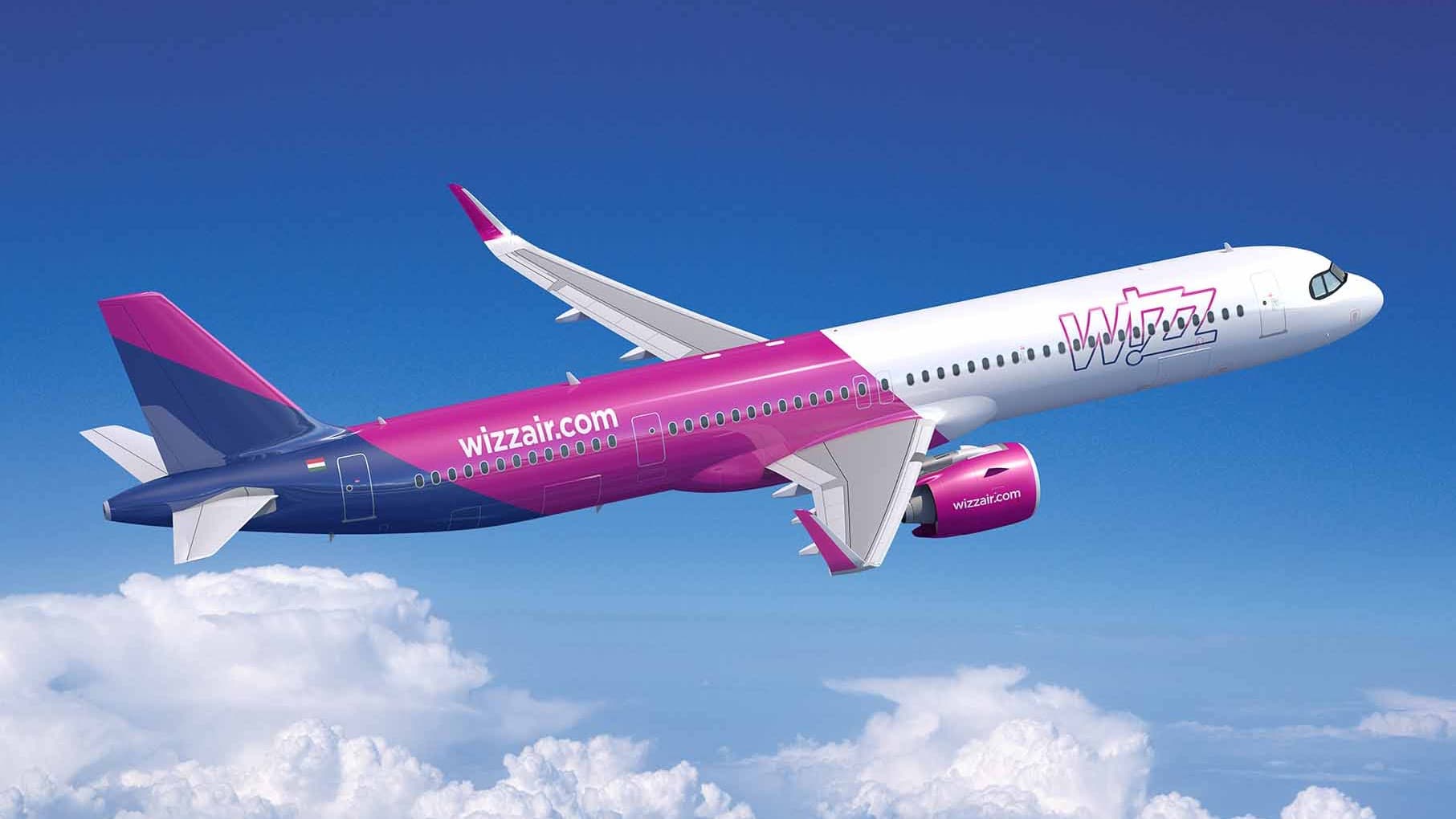
Meanwhile, Wizz Air is pursuing the opposite strategy. Backed by an incentive package reportedly worth €18–20 million per year from AdR, the Hungarian low-cost carrier is rapidly expanding at Fiumicino. In 2026, Wizz Air's seat capacity from Fiumicino is growing eight times faster than Ryanair's, making it the second-largest carrier at the airport behind ITA Airways. This aligns with AdR's ambition to position Fiumicino as a "premium" hub, focusing on international and extra-European routes.
The dispute also involves a numbers war. Ryanair's commercial director Jason McGuinness claims airport costs at Fiumicino will reach €50 per passenger within two to three years, close to the airline's average base fare of €51. AdR counters that fees are at 2016 levels, averaging €29 per departing passenger, and will rise by only €2 in the coming years. AdR also denies granting discretionary incentives, stating that support is strictly tied to opening new routes, increasing frequencies, and developing strategic markets.
For ATPL and ATC students, this case study illustrates the complex interplay between airline business models and airport economics. Understanding how airport charges, slot allocation, and environmental restrictions shape airline networks is crucial for future pilots and controllers who will operate in such environments. The Rome situation also highlights the importance of regulatory frameworks in balancing growth, environmental concerns, and service quality—a topic directly relevant to ATPL subjects like Air Law and Flight Planning, as well as ATC training on capacity management.