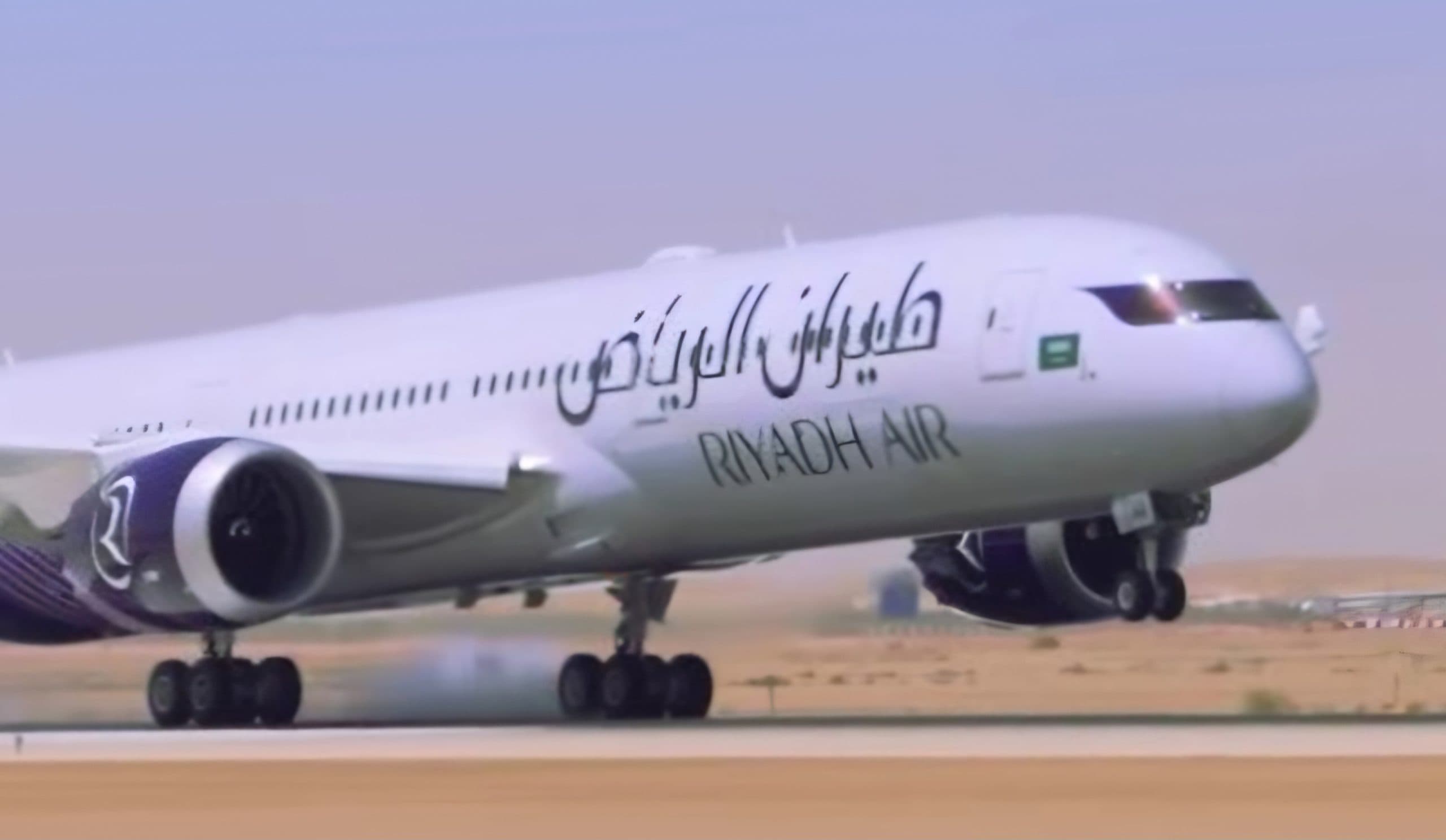
On August 4, Riyadh Air inaugurated its first scheduled route to India, connecting Riyadh and Mumbai with a daily non-stop service operated by a Boeing 787-9 Dreamliner. This milestone underscores the rapid expansion of the Saudi carrier, backed by the Public Investment Fund (PIF), as it positions Riyadh as a major intercontinental hub for both passengers and cargo.
The choice of Mumbai is strategic. As India's financial capital and a major source of business, leisure, and VFR (visiting friends and relatives) traffic, Mumbai offers a natural gateway for a Gulf carrier seeking to attract connecting flows. Riyadh Air aims to capture a share of Indian travelers who traditionally transit through other Gulf hubs to reach Europe, the Middle East, and eventually North America or Asia. The late-evening departure from Mumbai is designed to feed Riyadh's connection banks, maximizing transfer opportunities.
This route marks Riyadh Air's tenth announced destination, following London Heathrow, Jeddah, Malaga, Kuala Lumpur, Dhaka, Madrid, Dubai, Cairo, and Manchester. The airline's network is growing rapidly, and India is a critical piece of its strategy to compete with established Gulf carriers. The 787-9 on this route features a three-class cabin—Economy, Business, and Business Elite—reflecting the airline's premium positioning. Additionally, the aircraft's cargo hold provides significant freight capacity on a commercially dense corridor between Saudi Arabia and India.
Riyadh Air's fleet expansion is equally aggressive. As of July 20, the airline had taken delivery of six 787-9s. At the Farnborough Airshow, it announced exercising options for 28 additional 787s, with 20 to be converted to the stretched 787-10 variant. Once all finalizations are complete, its firm Dreamliner order book will reach 67 aircraft. This rapid fleet growth supports the airline's ambition to become a major player in global aviation, with Riyadh as a hub connecting East and West.
For aviation students, this development illustrates the competitive dynamics of the Gulf region and the strategic importance of India as a high-growth market. It also highlights the role of widebody aircraft like the 787 in enabling new long-haul routes and hub-and-spoke networks, a core concept in airline planning and operations.