**Riyadh Air Expands to Spain: A Case Study in Airline Strategy for ATPL/ATC Students**
Riyadh Air, the new Saudi Arabian carrier backed by the Public Investment Fund (PIF), is making its entry into the Spanish market with direct flights from Riyadh to Málaga and Madrid. The Málaga route launches on July 14, 2026, followed by Madrid on July 17. This move is part of the airline's rapid international expansion under Saudi Arabia's Vision 2030 plan, which aims to transform the kingdom into a global aviation and tourism hub.
For ATPL and ATC students, this development offers a practical illustration of several key concepts. First, the airline's choice of destinations—Málaga, a major tourist hub on the Costa del Sol, and Madrid, a European capital—demonstrates how carriers balance leisure and business demand. The seasonal nature of the Málaga route (operating three times weekly until September 2026) highlights the importance of network planning and seasonal capacity adjustments, a topic covered in ATPL modules on flight planning and airline economics. ATC students can analyze the operational implications of adding new long-haul flights to airports like Málaga-Costa del Sol, which may require slot coordination and airspace management adjustments.
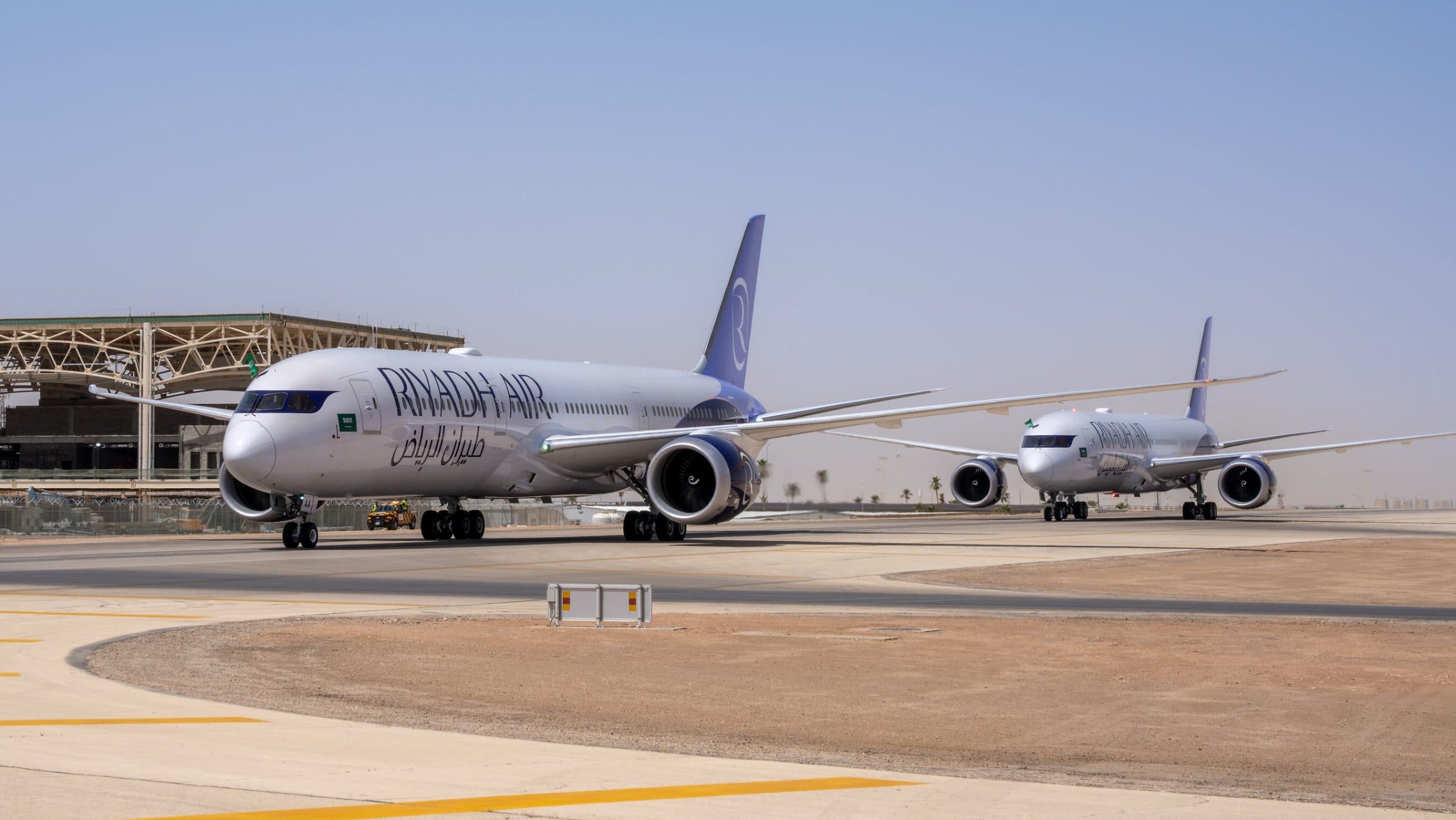
Riyadh Air's deployment of Boeing 787-9 Dreamliners on these routes is also instructive. The aircraft's range (over 14,000 km) and fuel efficiency make it ideal for the 5,000+ km Riyadh-Málaga sector. The three-class configuration (Business, Premium Economy, Economy) with lie-flat seats and free Wi-Fi reflects a premium product strategy, contrasting with Saudia's more traditional approach. This competition between two Saudi carriers on the same route—Saudia already operates Riyadh-Málaga three times weekly in summer 2026—provides a real-world example of market dynamics and product differentiation, relevant to ATPL students studying airline business models.
From an ATC perspective, the introduction of new long-haul flights from Riyadh to Spain will increase traffic on busy European air routes, particularly over the Mediterranean. Students can consider how air traffic flow management (ATFM) might handle additional demand, especially during peak summer months. The flight timings—early morning arrivals in Spain and late morning departures—also offer insights into slot allocation and curfew considerations at airports like Madrid-Barajas and Málaga.
Finally, this expansion is a textbook case of Vision 2030's impact on aviation. Riyadh Air's network now includes London, Dubai, Cairo, Jeddah, Mumbai, and soon Kuala Lumpur, Dhaka, and Manchester. For ATPL/ATC students, understanding such strategic growth is essential for careers in airline management, flight operations, or air traffic control, where anticipating traffic trends and infrastructure needs is key.