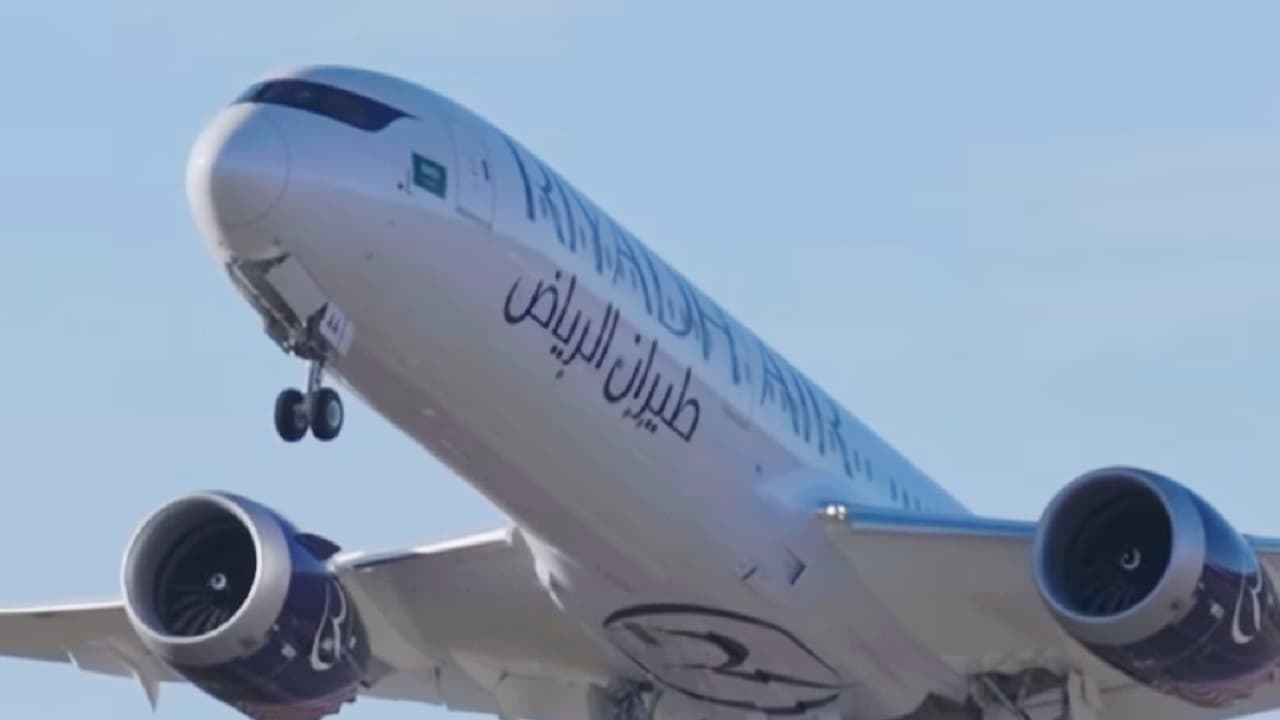
**Riyadh Air Expands to India: A Strategic Move**
Riyadh Air, the ambitious Saudi startup, has announced the addition of Mumbai (Bombay) to its growing network, with daily flights from Riyadh starting August 4, 2026. This marks the carrier's 10th destination and its first entry into the Indian market, a critical step for any Gulf hub aiming to compete globally. The route, covering approximately four hours of flight time, will connect King Khalid International Airport (RUH) with Chhatrapati Shivaji Maharaj International Airport (BOM), offering both business and leisure travelers a convenient schedule.
**Network Growth and Fleet Strategy**
Since launching commercial operations in late June 2026 with flights to London-Heathrow, Riyadh Air has rapidly expanded its route map. Other destinations include Jeddah, Malaga, Kuala Lumpur, Dhaka, Madrid, Dubai, Cairo, and Manchester. The carrier has already taken delivery of five Boeing 787-9 Dreamliners, with plans to add Airbus A321neo and A350-1000 aircraft in the future. This aggressive expansion mirrors the early growth of other Gulf carriers like Emirates and Qatar Airways, but in a more competitive and environmentally regulated environment.
**What This Means for ATPL and ATC Students**
For ATPL students, Riyadh Air's strategy offers a real-world case study in network planning and fleet acquisition. Understanding how a new airline selects routes, schedules flights, and positions itself in a crowded market is directly relevant to airline management and operational planning modules. For ATC students, the introduction of new routes into congested airspace like the Arabian Sea and Indian subcontinent highlights the need for efficient airspace management and coordination between neighboring Flight Information Regions (FIRs). The daily frequency and timing of flights also demonstrate how airlines optimize slot usage and turnaround times.
**Operational and Regulatory Considerations**
Riyadh Air's rapid expansion also raises important regulatory and sustainability questions. The airline must comply with Saudi Arabia's Vision 2030 goals, which aim to double air traffic while reducing environmental impact. This involves navigating carbon offset schemes, noise regulations, and slot coordination at busy airports like Heathrow and Mumbai. For students, this underscores the growing importance of environmental regulations in aviation operations, a topic increasingly covered in ATPL and ATC syllabi.
**Conclusion**
Riyadh Air's entry into the Indian market is more than just a business milestone—it is a textbook example of modern airline growth dynamics. By studying this case, ATPL and ATC students can gain practical insights into network development, fleet planning, and the operational challenges of launching a new carrier in a competitive global market.