**A Controversial Change of Aircraft**
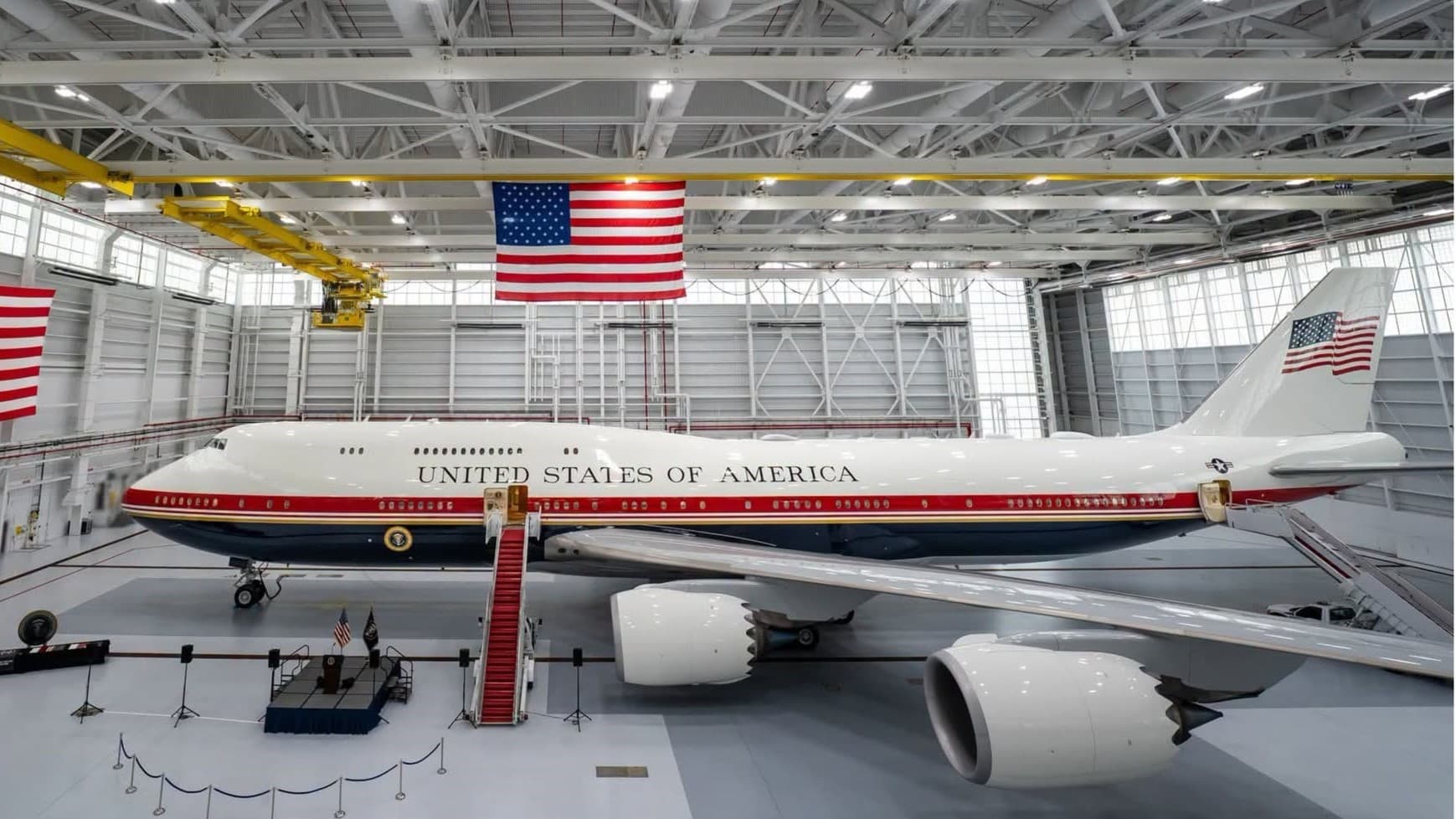
Donald Trump has reignited debate over the security of his new Air Force One, a Boeing 747-8 gifted by Qatar, after abruptly switching planes during the NATO summit in Turkey. While initially praising the aircraft as "truly exceptional" during his flight to Ankara, the President chose not to use it for his return to Washington, opting instead for an older Boeing 747-200 model. This decision, reportedly influenced by security advisors amid rising tensions with Iran, has cast doubt on the defensive capabilities of the Qatari jet.
**Missing Defensive Systems?**
According to the New York Times, the new 747-8 lacks certain visible countermeasure systems present on older Air Force One aircraft, such as external sensors and pods associated with radar jamming and missile decoys. While the White House insists the aircraft is "ultra-modern" with high-level security protocols, the U.S. Air Force acknowledged compromises were made to expedite its service entry, though they claim no risks were taken regarding safety, security, or communications. For ATPL students, this case highlights the critical importance of understanding aircraft defensive systems, electronic warfare, and the operational constraints of VIP transport. ATC trainees, meanwhile, can learn about the unique handling and communication protocols required for state aircraft, especially in high-threat environments.
**Geopolitical Context and Media Fallout**
Trump's comments about assassination attempts attributed to Iran, combined with the security concerns, have intensified scrutiny of the presidential aircraft as a potential target. The controversy has also sparked a legal clash with the New York Times, with federal prosecutors summoning journalists over alleged violations of federal criminal law related to the publication of security details. This underscores the delicate balance between national security and press freedom, a topic relevant to aviation professionals who must navigate sensitive information in their roles.
**Implications for Aviation Training**
This incident serves as a real-world case study for ATPL and ATC students. It demonstrates how geopolitical factors can influence aircraft selection and operational decisions, the importance of robust security assessments for high-value assets, and the need for clear communication between flight crews, security teams, and air traffic control. Understanding these dynamics is essential for those pursuing careers in aviation, where safety and security are paramount.