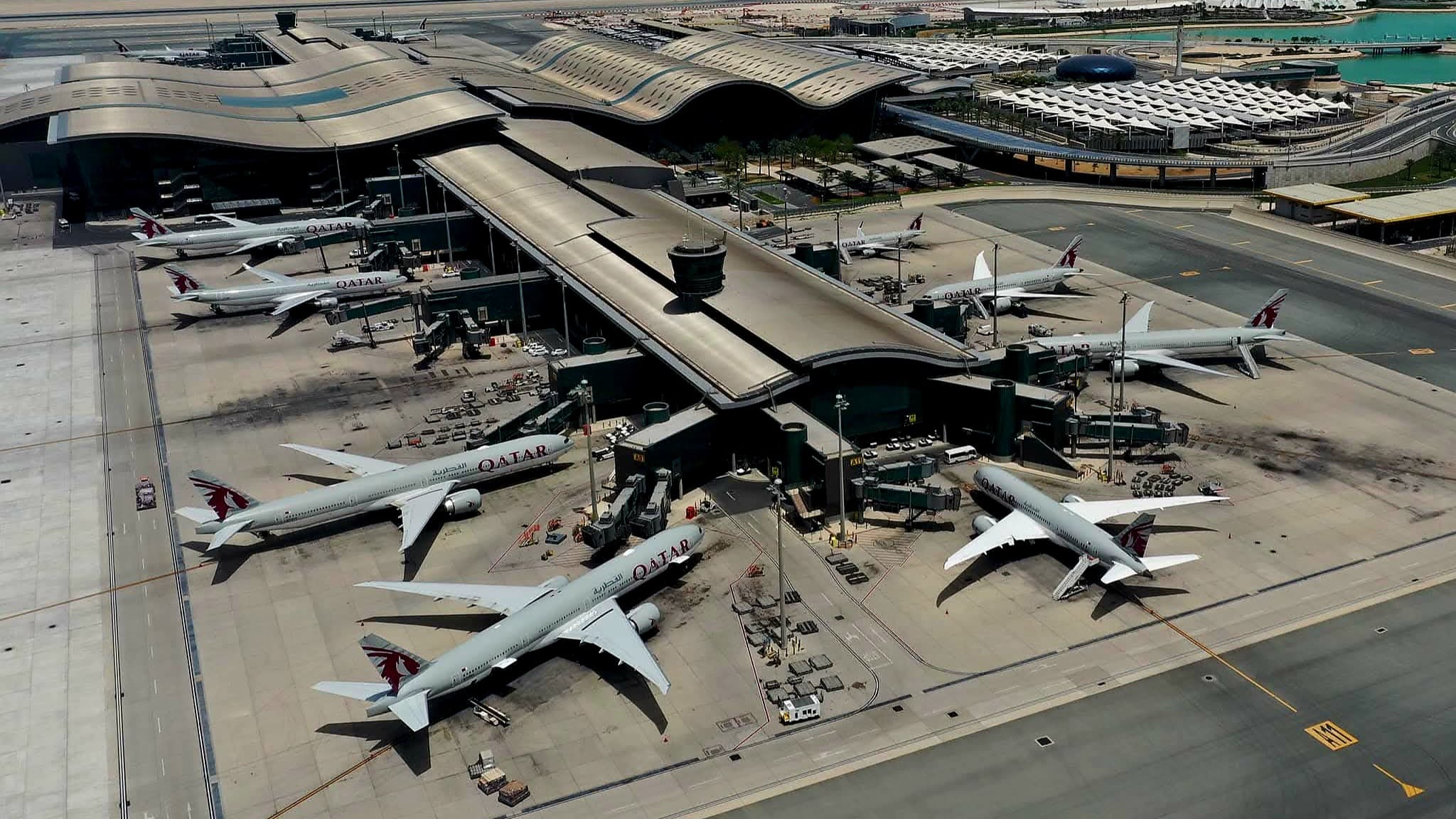
The Qatar Civil Aviation Authority (QCAA) has announced a progressive reopening of Qatari airspace to foreign airlines via a NOTAM issued on April 20, 2026, following a comprehensive safety assessment. This decision ends the near-total closure imposed on February 28, 2026, due to regional military escalations, which had severely disrupted operations at Hamad International Airport in Doha. The QCAA emphasizes that all necessary safety and security measures are in place, aligning with international standards to protect passengers and personnel. This reopening allows for controlled restoration of Doha's role as a key intercontinental hub, with strict oversight on flight paths and capacities, reflecting a cautious approach to regional stability.
In response, Qatar Airways has unveiled an ambitious summer schedule, aiming to serve over 150 destinations starting June 16, 2026, up from the current 120. Before the conflict, the airline connected more than 170 destinations globally, indicating that recovery is ongoing but accelerating. By mid-April 2026, Qatar Airways operated nearly 140 daily flights, about 60% of pre-war levels, with the new plan representing a rapid ramp-up facilitated by specific air corridors coordinated with the QCAA. This expansion includes new routes and increased frequencies from Doha, offering greater flexibility for summer travel, though the airline cautions that schedules may change due to operational, regulatory, or geopolitical factors.
For passengers, Qatar Airways has introduced flexible commercial policies, allowing free date changes or refunds for bookings between February 28 and September 15, 2026, subject to availability. This flexibility addresses ongoing uncertainties tied to air corridor approvals, regional aviation authority decisions, and geopolitical risks on long-haul routes. Passengers are advised to monitor updates via the airline's channels, underscoring the importance of staying informed in dynamic environments. Such measures are crucial for maintaining customer trust and operational resilience amid fluctuating conditions.
Beyond Qatar Airways, this reopening is part of a broader strategic competition among Gulf hubs like Dubai and Abu Dhabi. The conflict temporarily benefited competitors such as Emirates and Etihad, which have reportedly recovered to about 70% of pre-conflict activity, compared to Qatar Airways' 60%. This highlights how geopolitical events can reshape aviation landscapes, influencing hub dominance and route networks. For aviation professionals, understanding these shifts is key to navigating airspace changes, scheduling adjustments, and safety protocols in volatile regions.
From an ATPL and ATC perspective, this development underscores the critical role of NOTAMs and airspace management during geopolitical crises. Students must grasp how air corridors are established and coordinated, the impact of hub competition on global routing, and the importance of flexible operational planning. It also serves as a case study in balancing safety with economic recovery, offering insights into real-world applications of aviation regulations and strategic decision-making in the industry.