**Qatar Airways Returns to Helsinki and Tokyo Haneda This Summer**
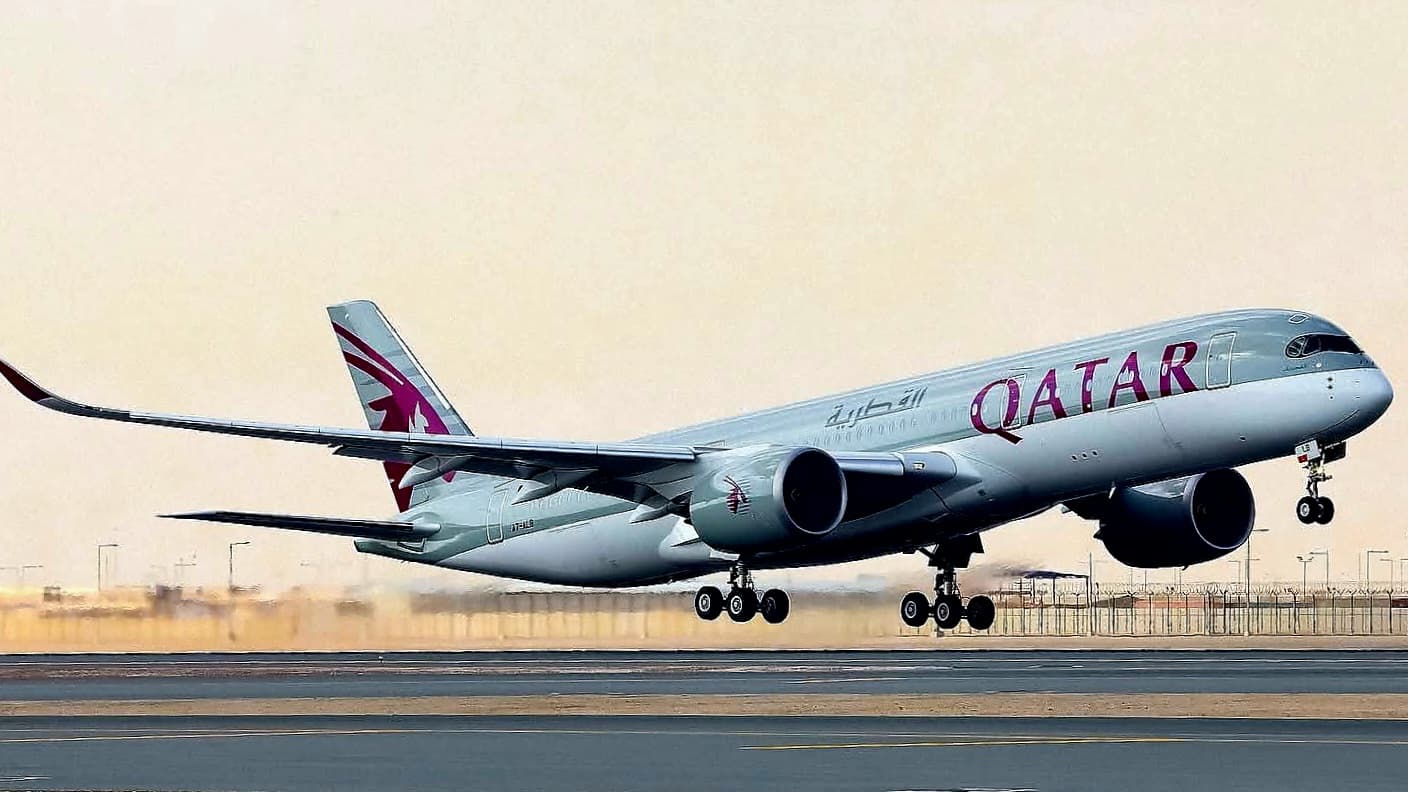
Qatar Airways has announced the resumption of flights to Helsinki and Tokyo Haneda starting July 15, 2026, with frequencies initially set at four weekly flights before increasing to daily operations from August 1. This expansion brings the airline's network to over 160 destinations across six continents, reinforcing its hub at Doha Hamad International Airport. For ATPL and ATC students, this news is a practical case study in post-pandemic route recovery, hub competition, and the operational logic behind frequency planning.
**Route Details and Operational Strategy**
The Doha–Helsinki route will operate four times weekly (Monday, Wednesday, Friday, Sunday) from July 15, with flight QR301 departing Doha at 08:40 and arriving in Helsinki at 15:30. The return flight QR302 leaves Helsinki at 17:05, landing in Doha at 00:05. From August 1, three additional frequencies (Tuesday, Thursday, Saturday) will be added, with QR303 departing Doha at 01:30 and arriving at 08:20, and QR304 leaving Helsinki at 09:50 for a 16:50 arrival in Doha. This schedule is designed to connect passengers from Australia, Kenya, and Southeast Asia via Doha, offering convenient onward connections to Scandinavia. For ATC students, the timing of these flights—especially the early morning departures from Doha and late evening arrivals—illustrates how slot coordination and curfew constraints (Helsinki-Vantaa is not curfew-restricted, but Doha is) shape scheduling.
**Tokyo Haneda: A Strategic Complement**
Similarly, Qatar Airways will resume flights to Tokyo Haneda from July 15, with four weekly flights (Monday, Wednesday, Saturday, Sunday) before going daily on August 1. The Doha–Haneda service (QR812/QR813) departs Doha at 07:50, arriving at Haneda at 00:05 the next day, with the return leaving Haneda at 01:35 and landing in Doha at 06:45. Haneda's proximity to central Tokyo (about 30 minutes by train versus 60–90 minutes from Narita) makes it a premium choice for business travelers and those connecting to Japan's domestic network. For ATPL students, this dual-airport strategy (Haneda + Narita) mirrors real-world airline network planning, where airlines use multiple airports in a single city to maximize market coverage. ATC students can analyze how Haneda's slot constraints (it is slot-coordinated) affect scheduling and how airlines negotiate slots.
**Network Expansion and Competitive Dynamics**
With these additions, Qatar Airways will serve over 160 destinations in summer 2026, continuing its post-pandemic network rebuild. The return to Helsinki strengthens the Nordic hub's role as a gateway between Asia and the Middle East, intensifying competition with European hubs like Frankfurt, London, Paris, and Istanbul. For passengers in Finland and Northern Europe, Doha offers an alternative for connections to Asia, Africa, and Oceania. In Japan, the combination of Narita and Haneda positions Qatar against Asian majors and alliance competitors. For aviation students, this is a textbook example of hub-and-spoke network dynamics, where airlines compete not just on price but on connectivity and travel time. The strategic choice of Haneda over Narita for certain flights also highlights how airport infrastructure and location influence route profitability.
**What This Means for ATPL and ATC Students**
This route expansion is not just a business decision—it's a real-world lesson in airline network planning, slot coordination, and operational scheduling. ATPL students can study how airlines balance frequency, aircraft utilization, and crew scheduling to maximize efficiency. ATC students can examine how slot allocation at slot-coordinated airports like Haneda and Doha affects flight planning, and how airlines coordinate with air traffic control to optimize departure and arrival times. The phased frequency increase (from 4 weekly to daily) also demonstrates how airlines manage demand uncertainty and ramp up operations gradually. Understanding these operational realities is crucial for future pilots and controllers who will work within these systems.