**Qantas Project Sunrise Delayed: First A350-1000ULR Now Due in 2027 – What ATPL and ATC Students Need to Know**
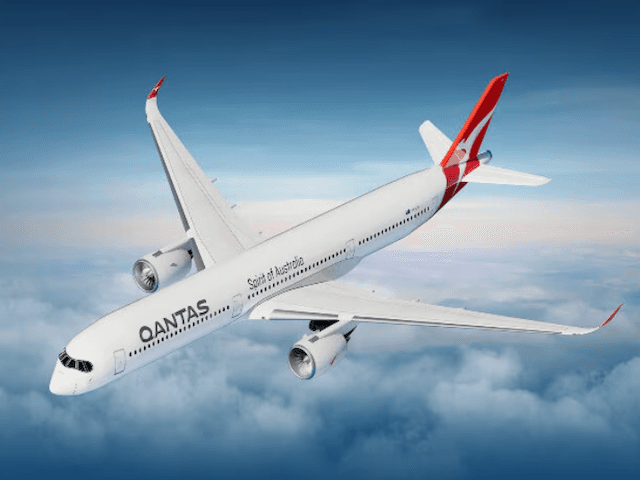
Qantas has confirmed that the first of twelve Airbus A350-1000ULR aircraft, destined for its ambitious Project Sunrise ultra-long-haul flights, will now be delivered in April 2027, several months later than the original target of late 2026. The delay, attributed by Airbus to ongoing supply chain problems, pushes back the planned launch of non-stop services from Sydney to London and Sydney to New York, which were expected to begin around mid-2027. For ATPL and ATC students, this is more than a corporate scheduling hiccup—it is a textbook case of how industrial logistics, certification processes, and operational planning interact in real-world aviation.
**Why This Matters for ATPL and ATC Students**
The Project Sunrise delay offers a rare glimpse into the complex interplay between aircraft manufacturing, regulatory approval, and airline operations. For future airline pilots, understanding the certification timeline for a new variant like the A350-1000ULR is crucial: the aircraft must undergo extensive flight testing, crew training, and route proving before it can carry passengers on 20-hour sectors. ATC students, meanwhile, will appreciate the operational challenges of managing ultra-long-haul flights—fuel planning, crew rest requirements, and airspace coordination across multiple regions. The delay also underscores the fragility of global supply chains, a topic that has become central to aviation management discussions since the pandemic.
**The Aircraft: A350-1000ULR in Ultra-Low Density Configuration**
Qantas has ordered twelve A350-1000s in a unique ultra-long-range (ULR) configuration, featuring additional fuel tanks and a higher maximum takeoff weight. The cabin will seat just 238 passengers across four classes: 6 First, 52 Business, 40 Premium Economy, and 140 Economy. This low-density layout—over 40% premium seats—is designed to maximize passenger comfort on flights lasting nearly 20 hours. For ATPL students, this highlights the trade-offs between payload, range, and cabin configuration, a key concept in aircraft performance studies. The aircraft also includes a "wellness zone" for stretching and hydration, addressing health risks like deep vein thrombosis on ultra-long flights.
**Supply Chain and Certification: The Real-World Bottlenecks**
Airbus has cited supply chain issues for the delay, a recurring theme across the industry. For the A350-1000ULR, specific components—such as seats, toilets, and structural parts—have been in short supply, slowing production. This is a valuable lesson for aviation students: even the most advanced aircraft programs are vulnerable to disruptions in the supply of seemingly mundane items. Moreover, the delay compresses the time available for certification and crew training before commercial service. Qantas plans to receive the next four aircraft in rapid succession after the first, aiming to catch up by November 2027. For ATC students, this means potential changes to slot coordination and airspace planning for new long-haul routes.
**Operational Implications for Ultra-Long-Haul Flights**
Project Sunrise aims to connect Sydney with London and New York non-stop, bypassing traditional hubs in the Middle East and Asia. For ATPL students, this raises questions about crew scheduling—ultra-long-haul flights require augmented crews, extended rest periods, and compliance with fatigue management regulations. ATC students will need to consider how these flights integrate into oceanic airspace, with complex communications and fuel-saving procedures like step climbs. The delay also gives Qantas more time to refine its operational plans, but it also means competitors may launch similar services first. For students, this is a reminder that aviation is a dynamic industry where timing and execution are everything.
**Conclusion**
The Project Sunrise delay is a practical case study for ATPL and ATC students, illustrating the interconnectedness of manufacturing, certification, and operations. As Qantas works to adapt its schedule, the aviation community watches closely—not just for the record-breaking flights, but for the lessons they offer in managing complexity. Stay tuned to MyATPS for more insights into how industry developments shape your training and career.