**A milestone for ultra-long-haul aviation**
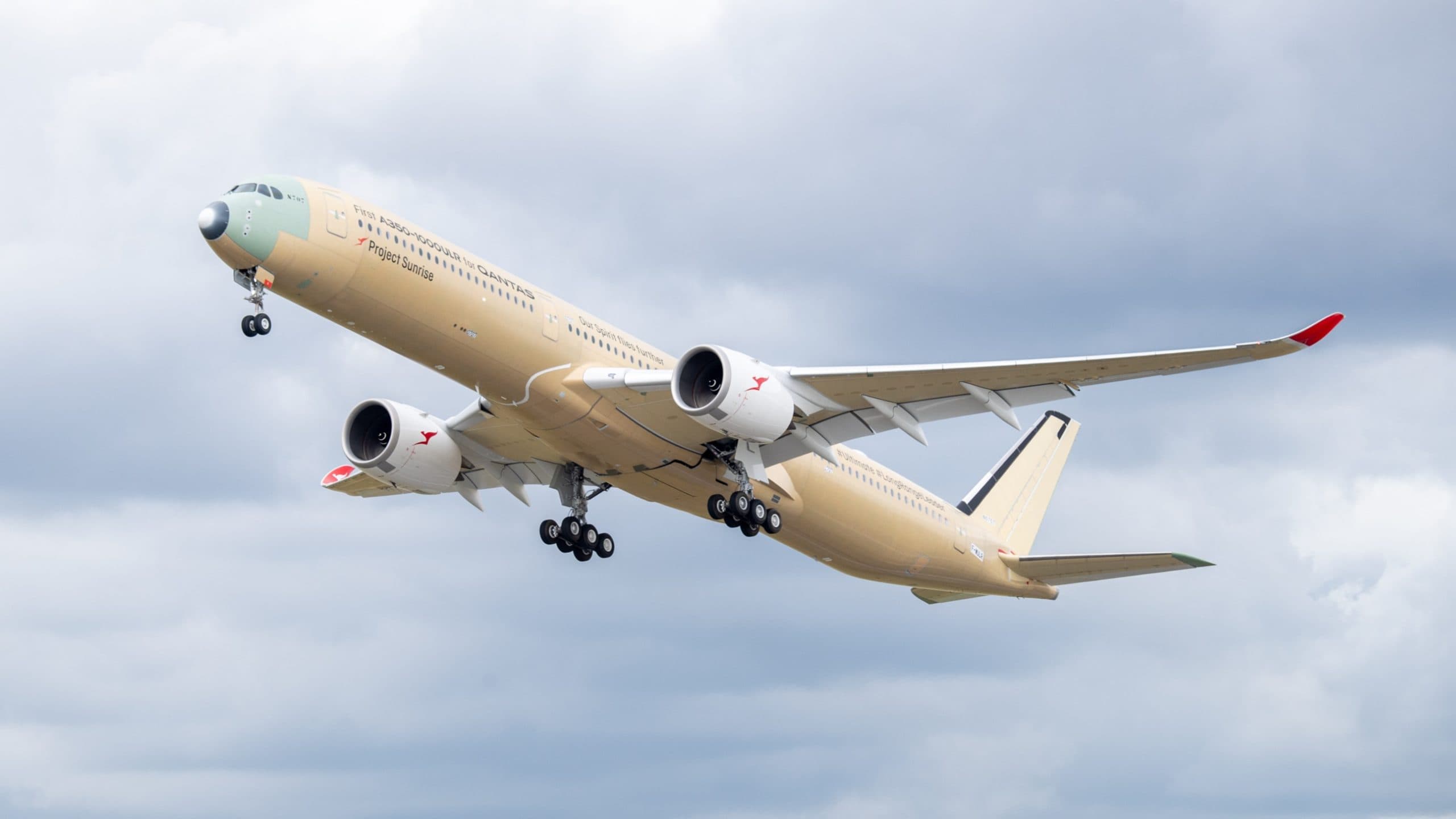
Next week, Qantas and Airbus will conduct a landmark test flight of the A350-1000ULR (Ultra Long Range), the aircraft designed for the airline's ambitious Project Sunrise. The test aircraft, registered F-WULR, will depart from Toulouse-Blagnac and fly non-stop to Melbourne, Australia, covering approximately 17,000 kilometers in nearly 22 hours. This flight is a critical step in the certification campaign for the ultra-long-range variant of the A350-1000, which aims to connect Australia directly to Europe and North America.
**Technical innovations for extreme endurance**
The A350-1000ULR is not just a standard A350 with extra fuel. It features an additional fuel tank of about 20,000 liters installed in the rear fuselage, boosting its range to approximately 10,000 nautical miles (18,500 km) and enabling flights of up to 22 hours. The prototype, MSN707, first flew on June 2, 2026, and has since undergone a series of tests, including hot fuel trials in Cardiff to validate the fuel system under extreme temperatures. The upcoming Toulouse-Melbourne flight will focus on collecting data on fuel consumption, systems performance, and airframe behavior over the maximum intended operational duration.
**Project Sunrise: a new era for Qantas**
Qantas has ordered 12 A350-1000ULRs for Project Sunrise, which will launch non-stop services from Sydney and Melbourne to London and New York. The first commercial flight is now scheduled for the second half of 2027, with delivery of the first aircraft in April 2027. London-Heathrow will be the inaugural destination from Sydney, with tickets going on sale in February 2027. This strategic shift redefines the boundaries of commercial aviation, bringing the world closer together.
**Why this matters for ATPL and ATC students**
For ATPL students, the A350-1000ULR introduces new considerations in flight planning, fuel management, and crew fatigue. Understanding the aircraft's systems and performance characteristics is essential for future pilots operating these ultra-long-haul routes. For ATC students, the coordination of such flights across multiple oceanic airspaces and the management of long-duration flights in remote areas present unique challenges. This test flight is a real-world example of how aviation technology is pushing the limits of what is possible.