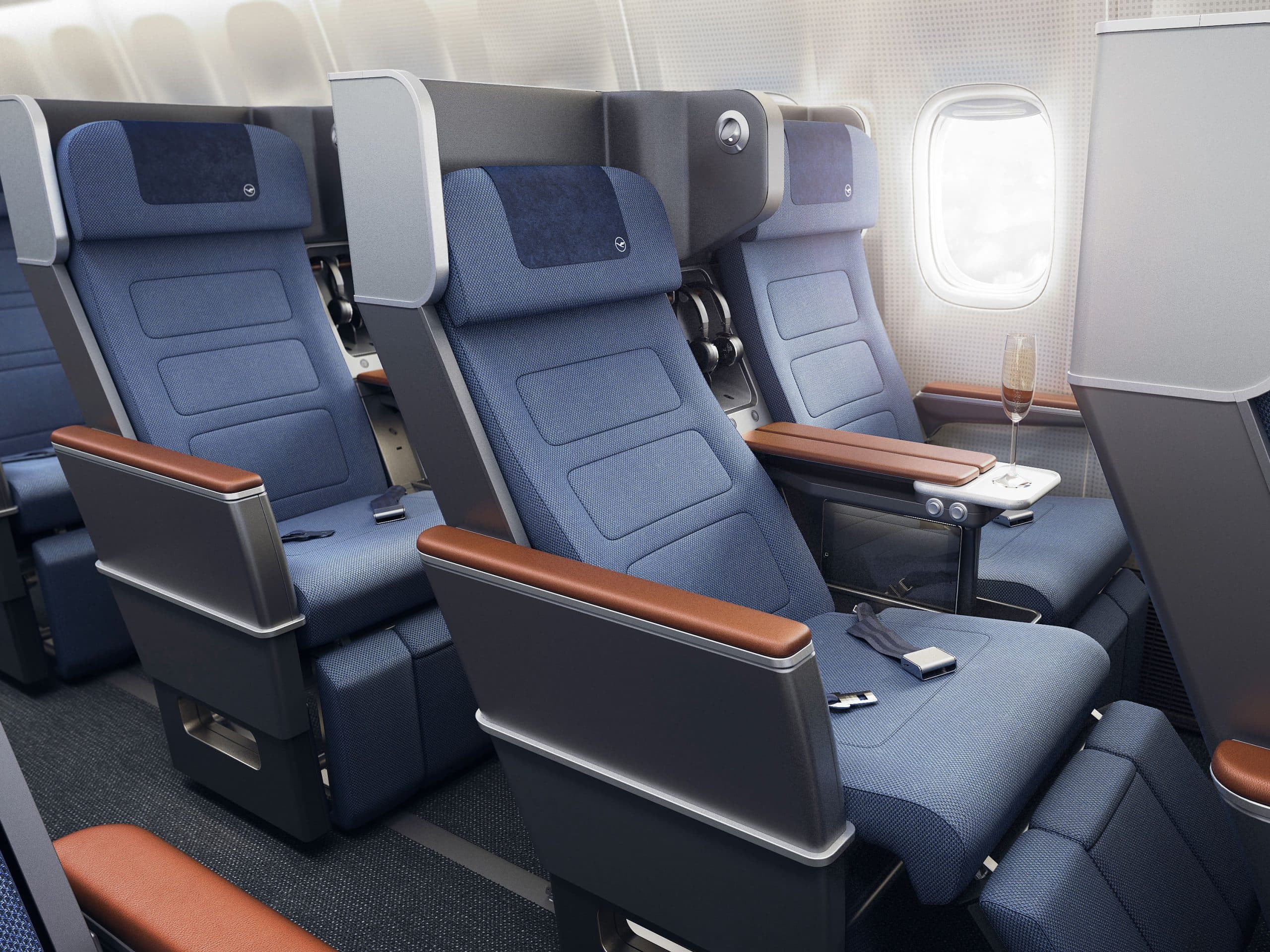
**The Rise of Premium Economy: A Revenue Game-Changer**
Delta Air Lines has reported that its Premium Economy cabin generated more revenue than standard Economy for the first time in Q2 2026. This milestone underscores a broader industry trend: the intermediate cabin is no longer just a comfort upgrade but a cornerstone of airline profitability. United Airlines aims to increase its premium seats by 75% compared to 2019, Emirates is expanding Premium Economy to over 84 routes in 2026, and Lufthansa Group and Air France-KLM are accelerating investments in this class. The shift is driven by both discerning leisure travelers and cost-conscious business passengers, making Premium Economy the fastest-growing segment in long-haul aviation.
**Why Airlines Love Premium Economy**
For carriers, Premium Economy offers a compelling financial proposition. With capacity growth often exceeding 8% on long-haul routes and significantly higher revenue per seat than standard Economy, airlines are leveraging this cabin to maximize margins. The cabin's higher density compared to Business class allows for better use of cabin space, while its premium pricing captures travelers who might otherwise choose Economy. This strategic focus is reshaping fleet configurations and seat layouts, with airlines dedicating more square footage to this lucrative middle ground.
**The Business Traveler's Perspective**
Philippe Taïeb, head of business travel agency Jancarthier Business Travel, notes that Premium Economy has almost become too successful. On routes like Lyon–Dubai, some clients who try it refuse to return to Business class, citing near-Business comfort at a fraction of the price. The seat may not be fully flat, but with widths of 18–20 inches, pitches of 36–38 inches (up to 40 on Emirates and 42 on Japan Airlines), enhanced recline, better dining, and larger screens, it offers a compelling balance. For travel agencies, the commission structure remains unchanged, but clients increasingly choose Premium Economy to balance comfort and cost, especially under corporate travel policies that prioritize savings without sacrificing employee well-being.
**A Structural Shift in Cabin Hierarchy**
The rise of Premium Economy is also linked to the relative decline of First Class, which is increasingly seen as too expensive and unjustified. Meanwhile, Business class has improved dramatically with lie-flat seats and private suites, widening the gap with Economy and creating a natural niche for Premium Economy. This cabin now serves as a bridge, attracting both premium leisure travelers and budget-minded professionals. As long-haul travel recovers post-pandemic and ultra-long-haul flights become more common, Premium Economy is evolving from a nice-to-have to an expected standard. For aviation students, understanding this trend is crucial: it influences aircraft configuration decisions, pricing strategies, and the future of cabin service design.