**A Day of Disruption Ahead**
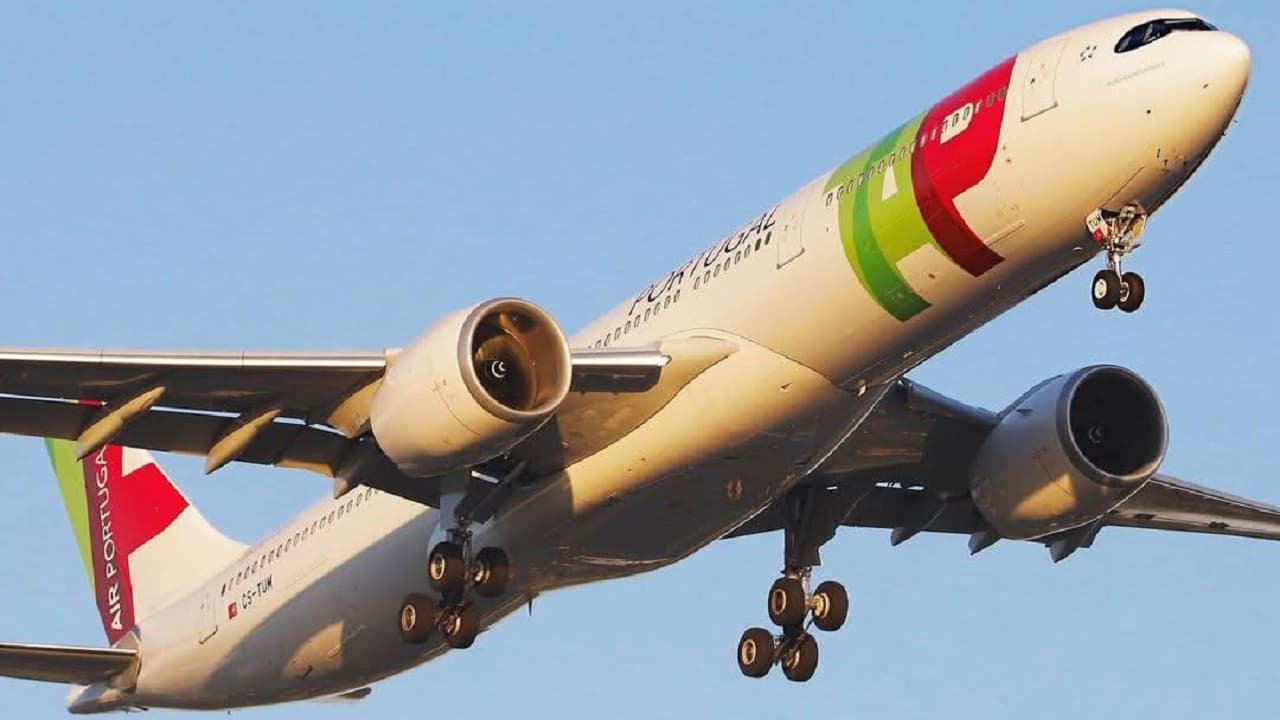
On Wednesday, June 3, 2026, Portugal is bracing for a general strike called by the CGTP union confederation, which could ground up to 500 flights across the country's airports. TAP Air Portugal, the national carrier, is expected to be the hardest hit, with around 300 of its rotations potentially affected. The strike is a protest against the government's "Trabalho XXI" labour reform, which unions argue weakens job security by easing dismissals, expanding subcontracting, and extending fixed-term contracts. While the aviation sector is a focal point, the strike also targets urban transport, long-distance trains, ferries, hospitals, schools, and public administration, threatening a near-total shutdown just weeks before the peak tourist season.
**Operational Fallout for Aviation**
The SNPVAC cabin crew union reports that over 500 flights are scheduled on Portuguese bases for that single day and could be impacted. The union warns that knock-on effects will spill into the days before and after due to crew repositioning and schedule reorganizations. Besides TAP, regional carrier Portugália and Azores-based SATA are also affected. Notably, while TAP pilots are not directly striking, cabin crew and ground handling staff are participating, which will cause significant disruptions. TAP has stated it will operate 79 flights under minimum service obligations, but these have yet to be finalized. Low-cost carriers easyJet and Ryanair, with large operations in Lisbon, Porto, and Faro, also face risks as their cabin and handling staff at Portuguese bases join the strike.
**What This Means for ATPL and ATC Students**
This event is a real-world case study in crisis management and operational resilience. For ATPL students, understanding how airlines manage irregular operations (IROPS) – from rebooking policies to minimum service agreements – is critical for future roles as pilots or managers. For ATC students, the strike highlights the complexity of coordinating air traffic when a large portion of scheduled flights is suddenly cancelled or delayed. The situation also underscores the importance of EU Regulation 261/2004, which governs passenger rights during disruptions. While strikes are often considered extraordinary circumstances that limit compensation claims, airlines are still obligated to offer re-routing, care (meals, accommodation), and refunds. This legal framework is a core part of aviation operations that every professional should know.
**Strategic Context: TAP's Privatization and Industry Dynamics**
The strike comes at a sensitive time for TAP, which is in the midst of a privatization process. Air France-KLM has expressed interest in acquiring a stake, adding a strategic layer to the operational chaos. For students, this illustrates how labour disputes can intersect with corporate strategy and regulatory frameworks. The rapid price surge on alternative carriers (Air France, Transavia, Vueling) as passengers scramble for seats demonstrates the economic ripple effects of such disruptions. As future aviation professionals, understanding these interdependencies – between labour relations, airline economics, and passenger rights – is essential for effective decision-making in a dynamic industry.
**Practical Takeaways for Students**
TAP has activated a flexible rebooking policy for tickets issued before May 20, allowing passengers to move their flights to dates between May 27 and June 11 without change fees. This is a textbook example of how airlines mitigate passenger inconvenience during predictable disruptions. For ATC and ATPL trainees, studying such policies helps in grasping the balance between operational constraints and customer service. Additionally, the strike serves as a reminder of the importance of contingency planning – both for airlines and for air navigation service providers – when faced with large-scale workforce actions. Whether you are a future pilot, controller, or manager, this event offers valuable lessons in resilience, communication, and regulatory compliance.