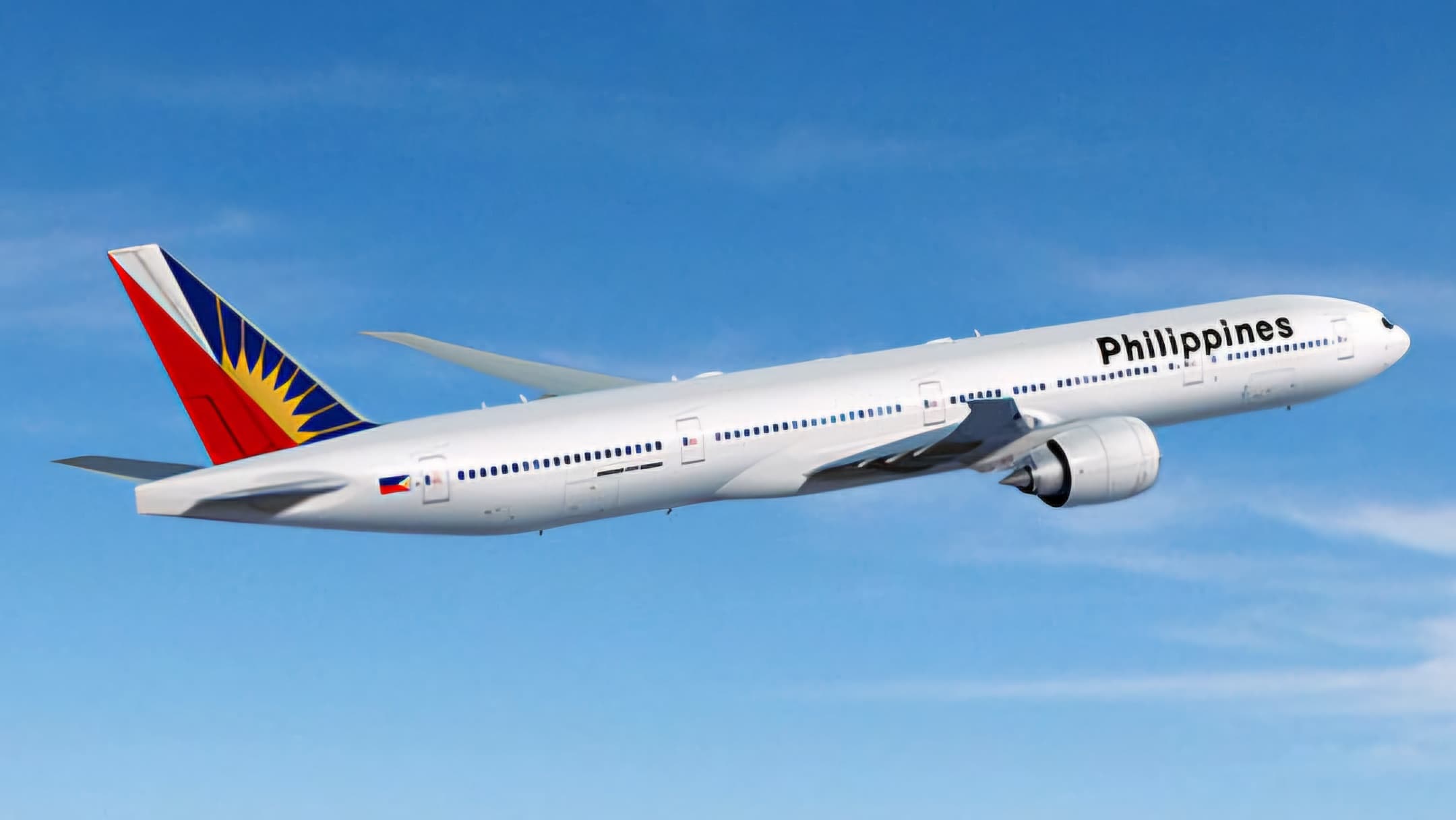
**Philippine Airlines Joins oneworld: A Strategic Move in Asia-Pacific**
On June 6, 2026, at the 82nd IATA Annual General Meeting in Rio de Janeiro, Philippine Airlines (PAL) announced its upcoming integration into the oneworld alliance. PAL will become the 16th member, joining carriers such as American Airlines, British Airways, Cathay Pacific, and Qatar Airways. This move significantly expands oneworld's regional coverage by adding 31 new destinations, primarily in Southeast Asia and the Pacific, intensifying competition among global alliances in a high-growth region.
**A Premium-Focused Alliance**
Robert Isom, CEO of American Airlines and Chairman of oneworld, emphasized the strategic fit: "Philippine Airlines perfectly aligns with our ambition to be the most premium-oriented alliance." This positioning differentiates oneworld from Star Alliance and SkyTeam by prioritizing service quality and high-yield passengers over sheer network size. For ATPL and ATC students, understanding alliance dynamics is crucial: they influence route planning, codeshare agreements, and even air traffic flow management, as member airlines coordinate schedules and share airport facilities.
**Post-COVID Recovery Fuels Membership**
Richard Nuttall, President of PAL, credited the airline's post-pandemic transformation for making it an attractive partner. After filing for Chapter 11 bankruptcy protection in the US in 2021, PAL restructured its fleet, cut costs, and refocused on long-haul, high-value markets. Existing partnerships with several oneworld members made the alliance "a natural choice." This case study is valuable for students: it shows how financial restructuring and strategic realignment can lead to alliance membership, which in turn affects network planning, crew scheduling, and maintenance coordination.
**A350-1000 at the Core of Long-Haul Strategy**
PAL is betting heavily on the Airbus A350-1000 for intercontinental growth. Ordered in 2023 (nine units), the first was delivered in December 2025, making PAL the first Southeast Asian operator of this variant. Five more are expected by end-2026, though supply chain issues may delay some to early 2027. For ATPL students, the A350-1000 represents a modern long-haul aircraft with advanced avionics and fuel efficiency—relevant for type rating considerations. ATC students should note that such fleet renewals often lead to changes in performance characteristics, affecting separation minima and noise profiles.
**Network Expansion: Focus on North America**
PAL plans to launch a non-stop Manila (MNL) to Chicago (ORD) route on November 9, 2026, pending approvals. Two additional US destinations are under study. Europe is not a priority due to price-sensitive diaspora and strong competition via hubs. The Middle East accounts for only 7% of PAL's capacity, limiting geopolitical exposure. This network strategy highlights how airlines balance demand, competition, and risk—a core topic in airline management modules for ATPL and ATC courses.
**Implications for the Alliance Landscape**
PAL's entry strengthens oneworld's Southeast Asian presence, historically weaker than Star Alliance (Singapore Airlines, Thai Airways, EVA Air) and SkyTeam (Vietnam Airlines, Garuda Indonesia). It also reinforces oneworld's premium positioning while offering new connecting opportunities for European and North American passengers to the Philippines. For students, this is a real-world example of how alliance membership influences route networks, codeshare optimization, and even airport slot allocation—all critical for operational planning.