**A sudden collapse in air freight**
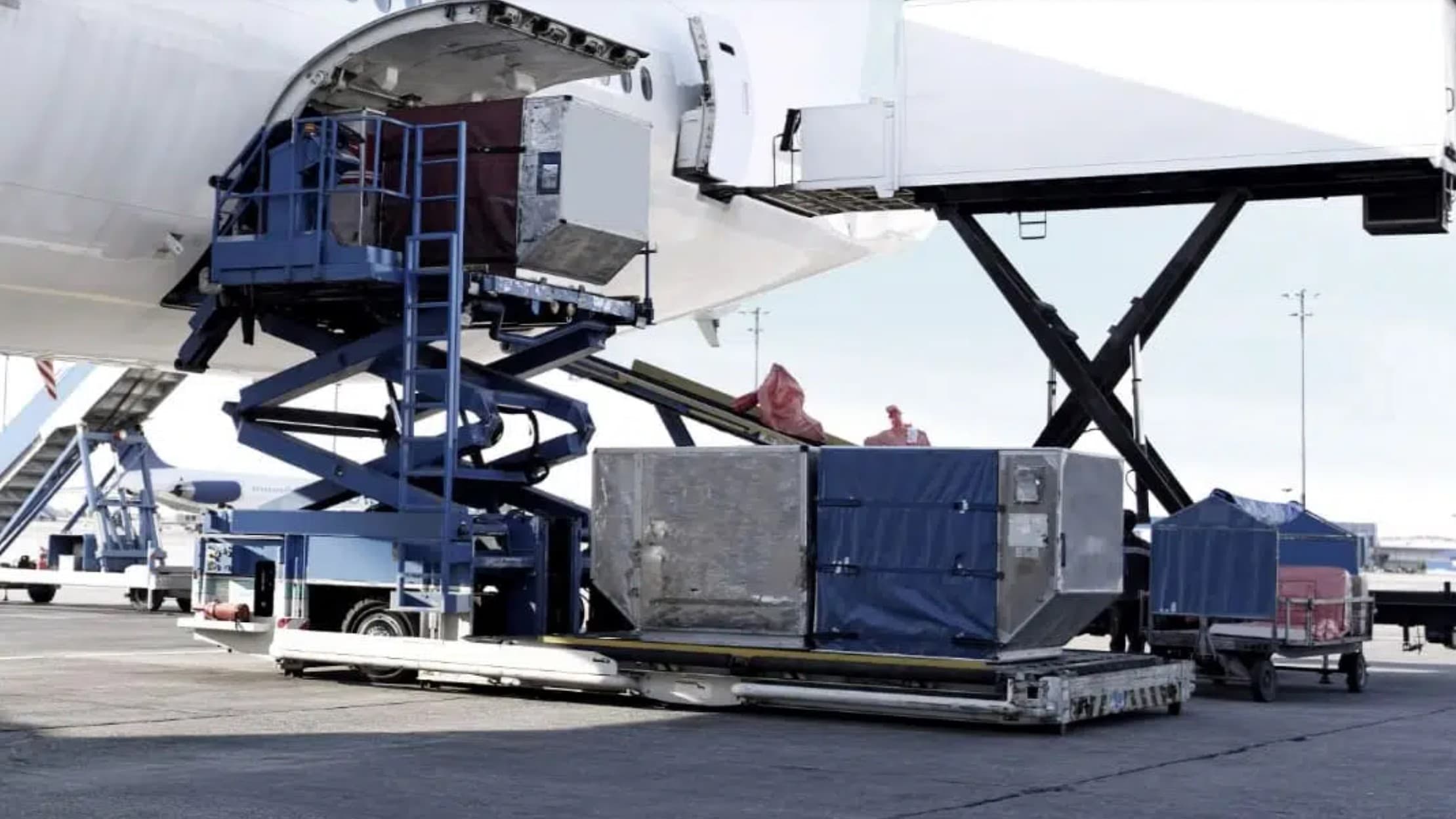
Paris-Vatry Airport (XCR), located in the Marne department of northeastern France, has seen its cargo traffic plummet since March 1, 2025, when a new French tax on small parcels from outside the European Union took effect. The tax, set at €2 per parcel valued under €150, was designed to curb the influx of low-cost goods from Chinese e-commerce giants like Shein, Temu, and AliExpress. However, the impact has been far more dramatic than anticipated: cargo volumes dropped from approximately 4,000 tonnes in February to just 800 tonnes in March. According to airport director Fabrice Pauquet, weekly tonnage fell from 600 tonnes to 160 tonnes. The airport lost seven of its nine weekly cargo rotations from Haikou, China, leaving only two flights per week.
**Social plan and job losses**
The Marne department, which owns the airport, has confirmed a social plan that will eliminate 17 of the 30 direct jobs at the facility. Local officials warn of broader indirect job losses in logistics and road transport. Jean-Marc Roze, president of the departmental council, criticized the tax as "stupid," arguing it will destroy jobs while generating minimal revenue. The tax is expected to bring in only about €2.3 million per month to the French state, according to customs data.
**A uniquely French measure with European implications**
France is currently the only EU member state to impose such a national tax on small parcels, ahead of a planned EU-wide customs duty of €3 per parcel scheduled for July 2026. Until then, French airports like Paris-Vatry and Paris-Charles de Gaulle face a competitive disadvantage. Since March 1, the vast majority of Chinese e-commerce flows have been rerouted to airports in the Netherlands, Belgium, and Eastern Europe. From there, parcels enter France by truck, bypassing the tax. French customs report a 92% drop in small-parcel declarations at CDG and 90% at Vatry as of March 3. The Union of Transport and Logistics Companies of France estimates this shift adds up to 4,000 extra heavy trucks on French roads, particularly in the north.
**What this means for ATPL and ATC students**
This case is a textbook example of how non-aviation factors—in this case, fiscal policy—can dramatically alter air cargo operations. For ATPL students, understanding the dynamics of air freight is essential for careers in cargo airlines or logistics management. ATC students should note how sudden shifts in traffic patterns can affect airport slot allocation, runway usage, and airspace demand. The rerouting of cargo flights to alternative hubs also highlights the importance of contingency planning in air traffic management. Moreover, the situation at Vatry underscores the vulnerability of regional airports that depend heavily on a single traffic segment. As future aviation professionals, you may encounter similar disruptions caused by regulatory changes, trade disputes, or environmental taxes. This real-world example demonstrates the need for adaptability and a broad understanding of the economic and political forces that shape the aviation industry.
**Looking ahead**
Paris-Vatry is now exploring alternative business models, including diversifying into other types of cargo, developing passenger flights, or offering maintenance services. However, the Marne department has not ruled out a permanent closure if activity does not recover. This case serves as a cautionary tale for airports and logistics providers worldwide about the risks of over-reliance on a single revenue stream.