**A New Leader in Airport Branding**
Paris Aéroport has dethroned London Heathrow to become the world’s most valuable airport brand in 2026, according to the latest Brand Finance report. The French airport operator saw its brand value jump 36% to $1 billion, driven by strong long-haul traffic recovery and effective pricing strategies. This milestone underscores the growing importance of Paris-Charles de Gaulle as a global hub, especially as competition among European airports intensifies. For ATPL and ATC students, this shift highlights how operational efficiency—such as the simplification plan at CDG—directly impacts a hub’s competitiveness and attractiveness to airlines.
**Delta Still on Top, United Holds Second**
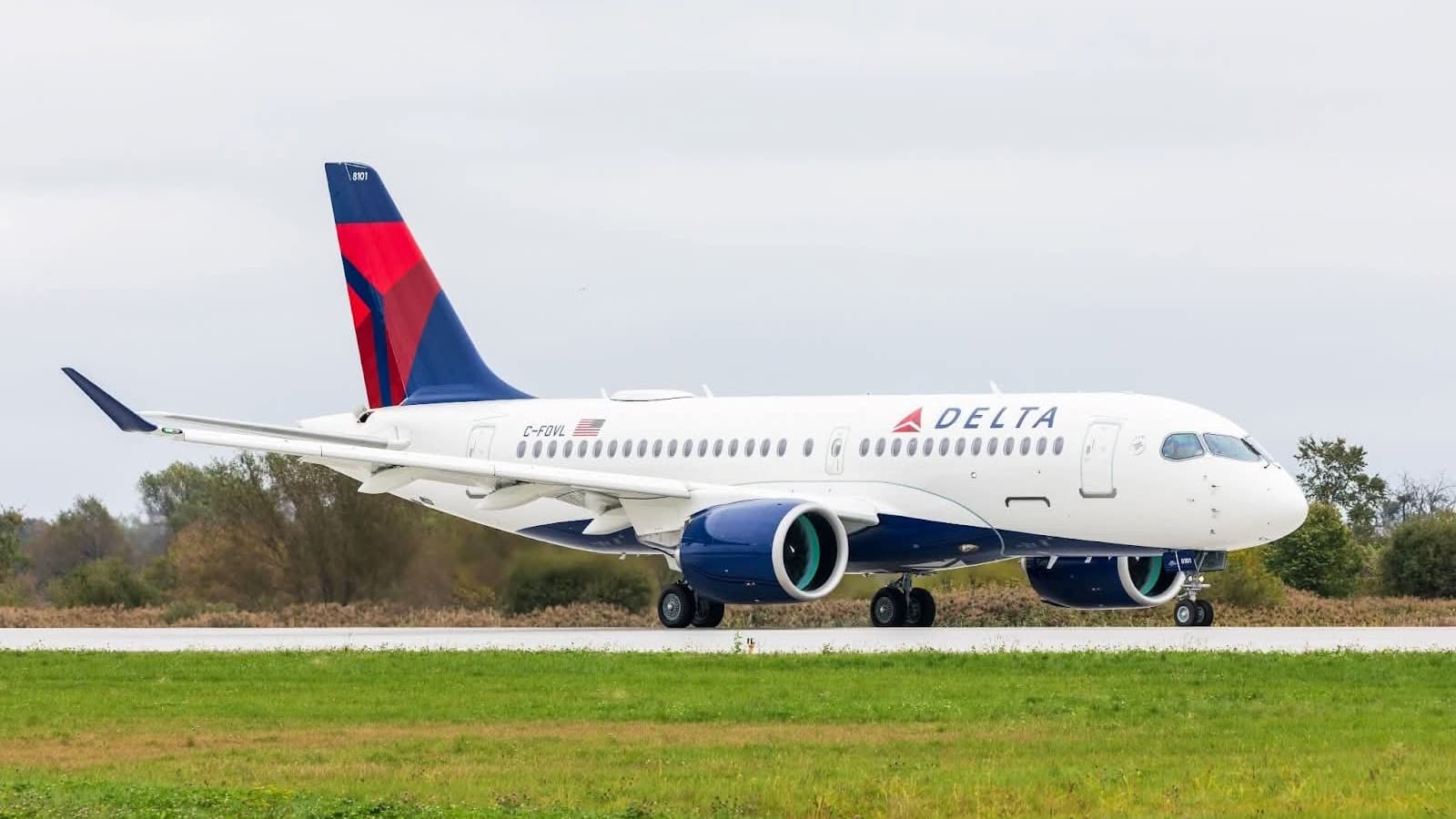
Among airlines, Delta Air Lines retains its crown as the most valuable airline brand, with a 25% increase to $18.6 billion. United Airlines follows at $13.1 billion, up 7%, benefiting from strong international demand and investments in customer experience. VietJet Air posted the highest growth, with its brand value more than doubling to $906 million, reflecting the rise of low-cost carriers in Asia-Pacific. For students, these rankings illustrate how operational reliability and service quality translate into brand strength—a key factor when airlines choose hubs and routes.
**Air France Stable, Changi Still Strongest Brand**
Air France remains stable at $2.9 billion, ranking 16th globally. Its brand strength index (82.5/100) remains high, but the carrier faces headwinds from higher airport taxes, reduced transatlantic demand, and ATC strikes in summer 2025. Meanwhile, Singapore Changi Airport retains the title of the strongest airport brand (BSI 91.2/100, AAA+ rating), thanks to record passenger traffic and exceptional customer satisfaction. For ATC trainees, Changi’s success offers lessons in seamless passenger flow and service innovation—elements that rely heavily on efficient air traffic management.
**Industry Context for Aviation Students**
This report matters for ATPL and ATC students because it links brand value to operational factors they will encounter daily: hub efficiency, airline reliability, and passenger experience. Understanding how airports and airlines compete on these metrics helps future pilots and controllers appreciate the business side of aviation. For example, Paris Aéroport’s rise shows that simplifying procedures at a major hub can boost its global standing—a reminder that ATC efficiency directly supports airport competitiveness.
**Looking Ahead**
As the aviation industry enters 2026 with strong structural demand, the pressure on hubs and airlines to maintain high service levels will only grow. For students, staying informed about these trends is not just academic—it shapes the environment in which they will build their careers. Whether it’s the impact of airport taxes on airline profitability or the role of ATC in reducing delays, every aspect of this report has practical implications for future aviation professionals.