**A Historic Wreck, a Lasting Legacy**
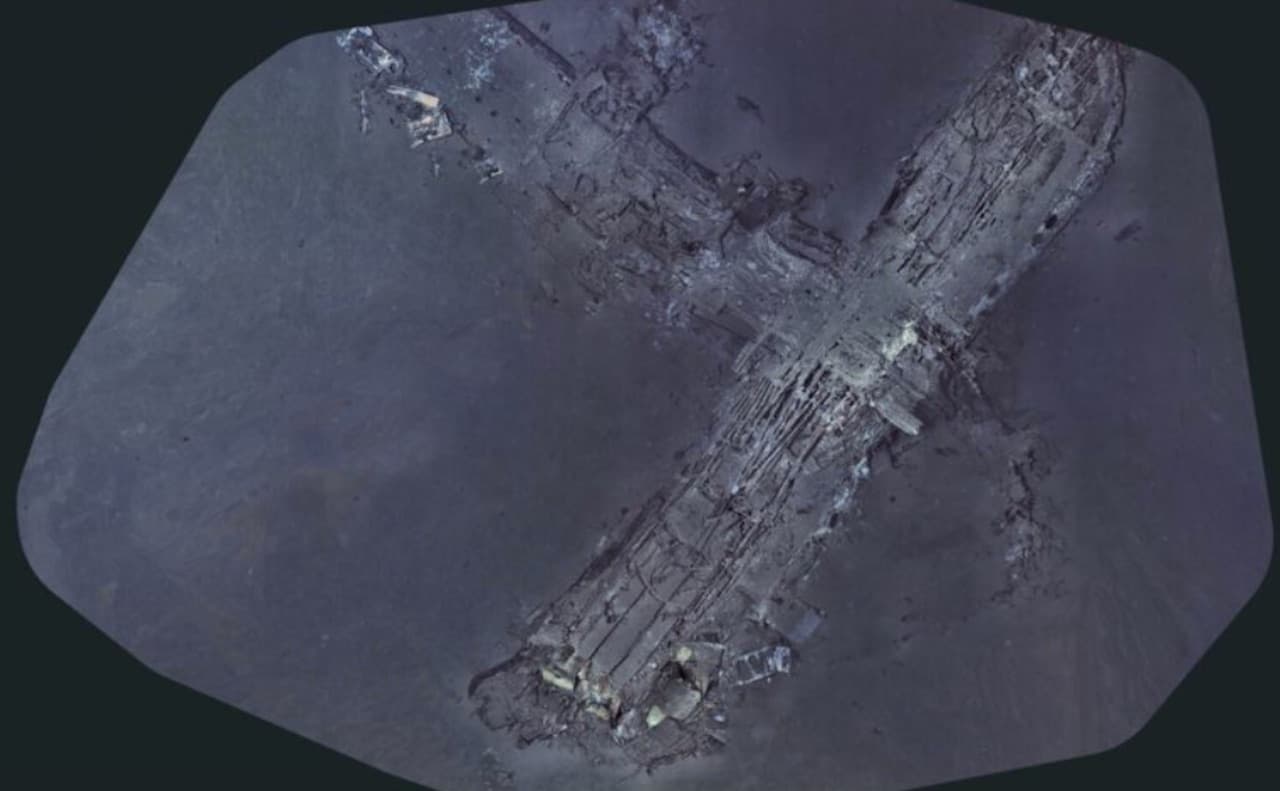
In June 2026, the wreck of Pan American World Airways Flight 526A—a Douglas DC-4 named *Clipper Endeavor*—was finally located 610 meters (2,000 feet) deep off the northern coast of Puerto Rico. The aircraft disappeared on April 11, 1952, just nine minutes after takeoff from San Juan, when two engines failed due to grossly inadequate maintenance. The crew managed a successful ditching, but 52 of the 69 occupants drowned in the chaotic evacuation that followed.
The discovery, made by the Air/Sea Heritage Foundation in partnership with Deep Sea Vision and the TV show *Expedition Unknown*, used an autonomous underwater drone with high-resolution sonar. The fuselage and tail lie in two large sections on the Atlantic floor, with the Pan Am logo and the name "Clipper Endeavor" still visible.
**Why This Matters for ATPL and ATC Students**
This accident is a cornerstone of modern aviation safety. At the time, no pre-flight safety briefing was required. Passengers did not know where life vests were stored or how to use them; only one of four life rafts was deployed. The Civil Aeronautics Board (CAB) investigation concluded that a lack of passenger preparation was a critical factor in the high death toll. Their recommendations led directly to the mandatory safety demonstrations we now see on every commercial flight—oral briefings, life-vest demonstrations, and clear signage for exits and emergency equipment.
For ATPL candidates, this case illustrates how a single accident can reshape international regulations. For ATC trainees, it highlights the importance of rapid coordination with rescue services: the Coast Guard and Air Force saved 17 survivors, but the evacuation window was tragically short. Understanding the human factors behind this disaster—panic, lack of authority, equipment unfamiliarity—is essential for any professional responsible for passenger safety.
**A Memorial Under the Sea**
The site is now considered a maritime grave. No recovery of debris or human remains is planned. The Air/Sea Heritage Foundation will work with Puerto Rican authorities to protect the wreck. A special episode of *Expedition Unknown* will air this fall, bringing renewed attention to an accident that changed aviation forever.
**Key Takeaways for Your Training**
- The *Clipper Endeavor* crash directly led to the universal adoption of pre-flight safety briefings.
- Human factors—panic, unclear authority, poor equipment knowledge—can turn a survivable ditching into a catastrophe.
- Maintenance failures (engine loss due to inadequate upkeep) remain a recurrent theme in accident investigations.
- ATC and crew coordination with search-and-rescue assets is a critical link in the survival chain.
Every time you hear a cabin crew member say "Please locate the nearest exit," remember the 52 lives lost off Puerto Rico in 1952. Their sacrifice made that instruction a global standard.