**A Major Milestone for Kansai Airport**
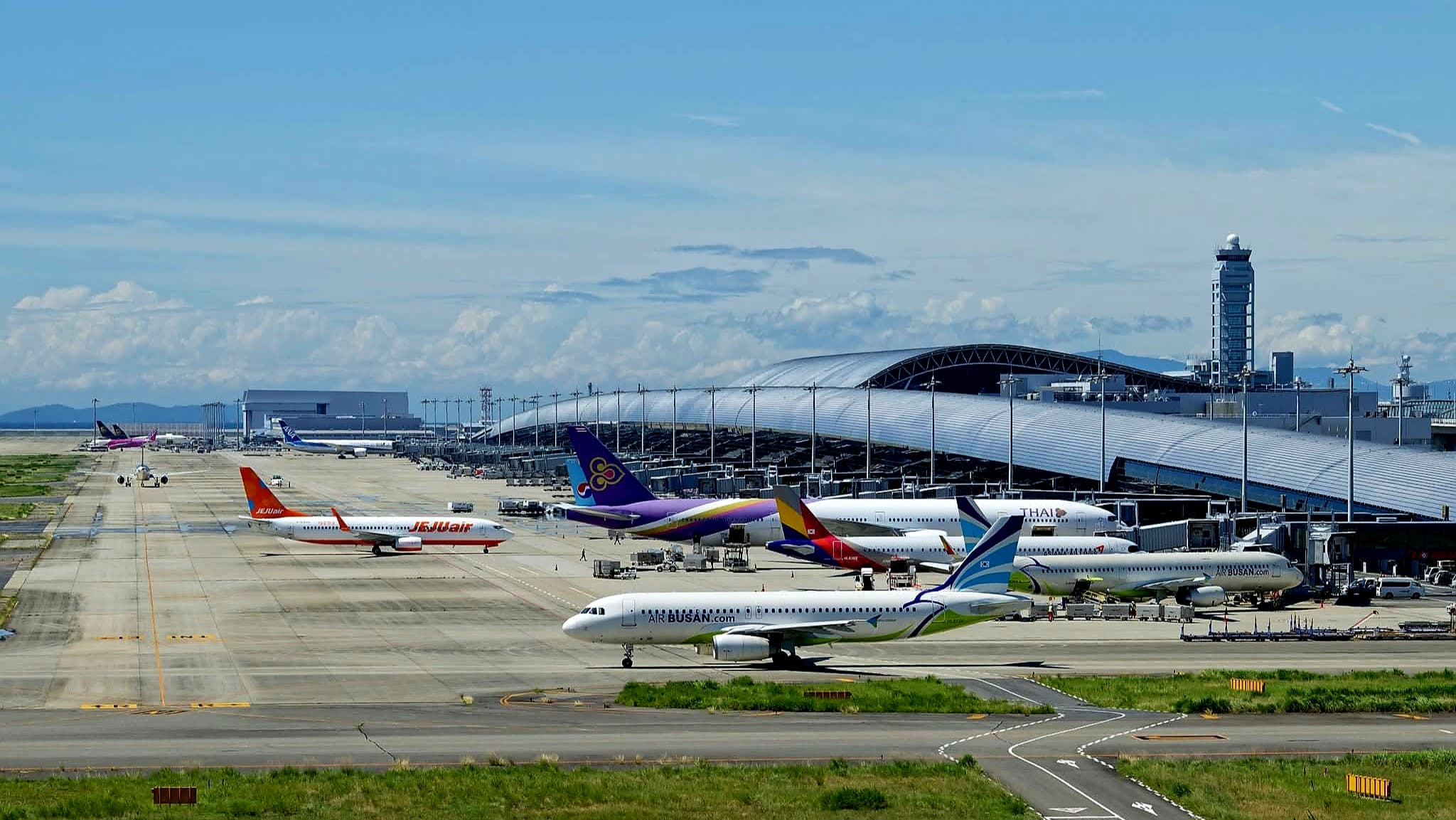
Osaka Kansai International Airport (KIX) has officially completed the expansion and renovation of its Terminal 1, a project that began in 2021 and cost approximately 70 billion yen (€380 million). The newly inaugurated international commercial zone marks the end of a transformative program aimed at preparing the airport for the anticipated surge in international traffic, particularly in connection with Expo 2025 Osaka Kansai. The terminal's international capacity has been raised from 23 million to 40 million passengers per year, achieved through a complete reconfiguration of security and immigration checkpoints, as well as an expansion of boarding gates from 34 to 40.
**Why This Matters for ATPL and ATC Students**
For future pilots and air traffic controllers, this development is more than just infrastructure news—it is a live case study in airport operations and capacity management. The expansion illustrates how airports adapt to growing demand by redesigning passenger flows, increasing gate capacity, and centralizing security functions. Understanding these dynamics is crucial for ATPL candidates who will operate into such hubs, as well as for ATC trainees who must manage traffic peaks and ground movements efficiently. The project also highlights the role of public-private partnerships (PPPs) in airport development, a topic often covered in aviation management modules.
**A Decade of Concession and Growth**
The completion of the Terminal 1 upgrade coincides with the 10th anniversary of the concession awarded to Kansai Airports, a joint venture between VINCI Airports and ORIX. Since 2016, the consortium has overseen the operation of both Kansai International and Itami airports under a 44-year concession. In 2025, KIX handled over 34 million passengers, confirming its status as a major gateway for tourism and a regional hub for the Osaka-Kobe-Kyoto area. The concession model has allowed for sustained investment, including this terminal expansion, which is the largest airport construction project in the region in half a century.
**Technical Insights for Aviation Professionals**
From a technical standpoint, the expansion increased the international departures area by about 60%, to 16,000 square meters. The number of boarding gates for international flights rose from 34 to 40, and the centralization of security and immigration processes improved passenger throughput. These changes are directly relevant to ATC students studying airport layout and to pilots who need to understand terminal capacity constraints during turnaround planning. Additionally, the airport's location on an artificial island in Osaka Bay—and its vulnerability to extreme weather, as demonstrated by Typhoon Jebi in 2018—offers lessons in infrastructure resilience and risk management, topics that appear in ATPL meteorology and operational procedures syllabi.
**Looking Ahead**
VINCI Airports has stated that the investment is part of a long-term strategy focused on service quality, operational performance, and environmental transition. For aviation students, this case underscores the importance of balancing capacity growth with sustainability goals, a key theme in modern aviation. As KIX positions itself as a showcase for Expo 2025, it provides a real-world example of how airports evolve to meet both current demands and future challenges.