**Norse Atlantic adds a second Oslo–Miami Dreamliner for World Cup quarterfinal**
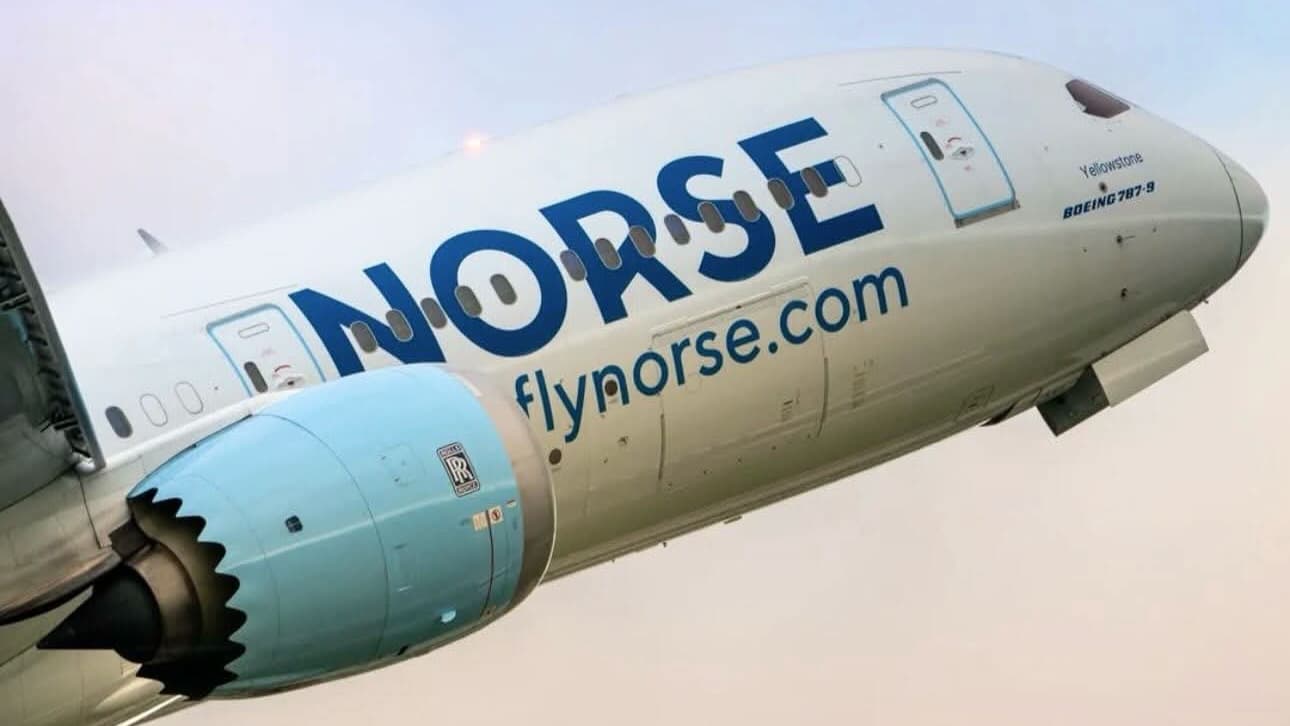
Norse Atlantic Airways has announced a second direct charter flight from Oslo to Miami, operated by a Boeing 787 Dreamliner, to carry additional Norwegian supporters to the World Cup quarterfinal against England. The first special flight sold out almost instantly after Norway’s historic qualification, prompting the carrier to secure extra capacity within days. This move underscores the flexibility of the low-cost long-haul model, which can rapidly redeploy aircraft on short-notice, high-demand routes while capitalising on the visibility generated by the national team’s unexpected success.
**Operational agility in action**
Behind the sporting story lies a significant operational feat. Norse Atlantic had to source an additional aircraft, assemble a crew, and secure airport slots at both Oslo and Miami in a matter of hours. The airline operates a homogeneous fleet of Boeing 787 Dreamliners, known for their fuel efficiency and long-range capability, which simplifies such ad‑hoc deployments. With twelve 787‑9s in its own fleet and three more under sub‑lease or returned to lessors, Norse retains some margin for charter or ACMI (Aircraft, Crew, Maintenance, Insurance) operations. For ATPL students, this is a textbook example of how fleet commonality and flexible crewing enable rapid response to market spikes. ATC trainees, meanwhile, can note the slot coordination challenges that arise when unscheduled long‑haul flights are inserted into busy airport schedules.
**A showcase for the low‑cost long‑haul model**
Founded in 2021, Norse Atlantic has carved a niche in low‑cost transatlantic travel but also develops on‑demand and ACMI services to smooth seasonal traffic variations. The World Cup charters fit this strategy perfectly: they are tailor‑made for supporter groups, with competitive pricing even during a major sporting event. The airline’s ability to mount two extra transatlantic flights in less than a week demonstrates the commercial and operational flexibility that distinguishes low‑cost long‑haul carriers from traditional network airlines.
**The experience starts at boarding**
Norse Atlantic emphasises that these flights are more than transport—they are part of the World Cup experience. A previous special flight to New York turned into a flying stadium, with chants, games, and the now‑famous “rowing tradition” (a synchronised passenger wave) widely covered by Norwegian media. “It’s fantastic to see strangers become a team before we even leave the gate,” said CEO Eivind Roald. For the Miami route, the airline hopes the 676 supporters will make themselves “seen and heard” at the Hard Rock Stadium during what is billed as the biggest match in Norwegian football history.
**What this means for aviation training**
This real‑world case offers ATPL candidates a concrete study in charter planning, load factor optimisation, and the economics of short‑notice capacity deployment. ATC students can analyse the airspace and slot implications of unscheduled long‑haul movements, especially during a congested event period. The Norse Atlantic example also illustrates how modern low‑cost carriers use fleet standardisation to remain agile—a key concept in airline management modules.