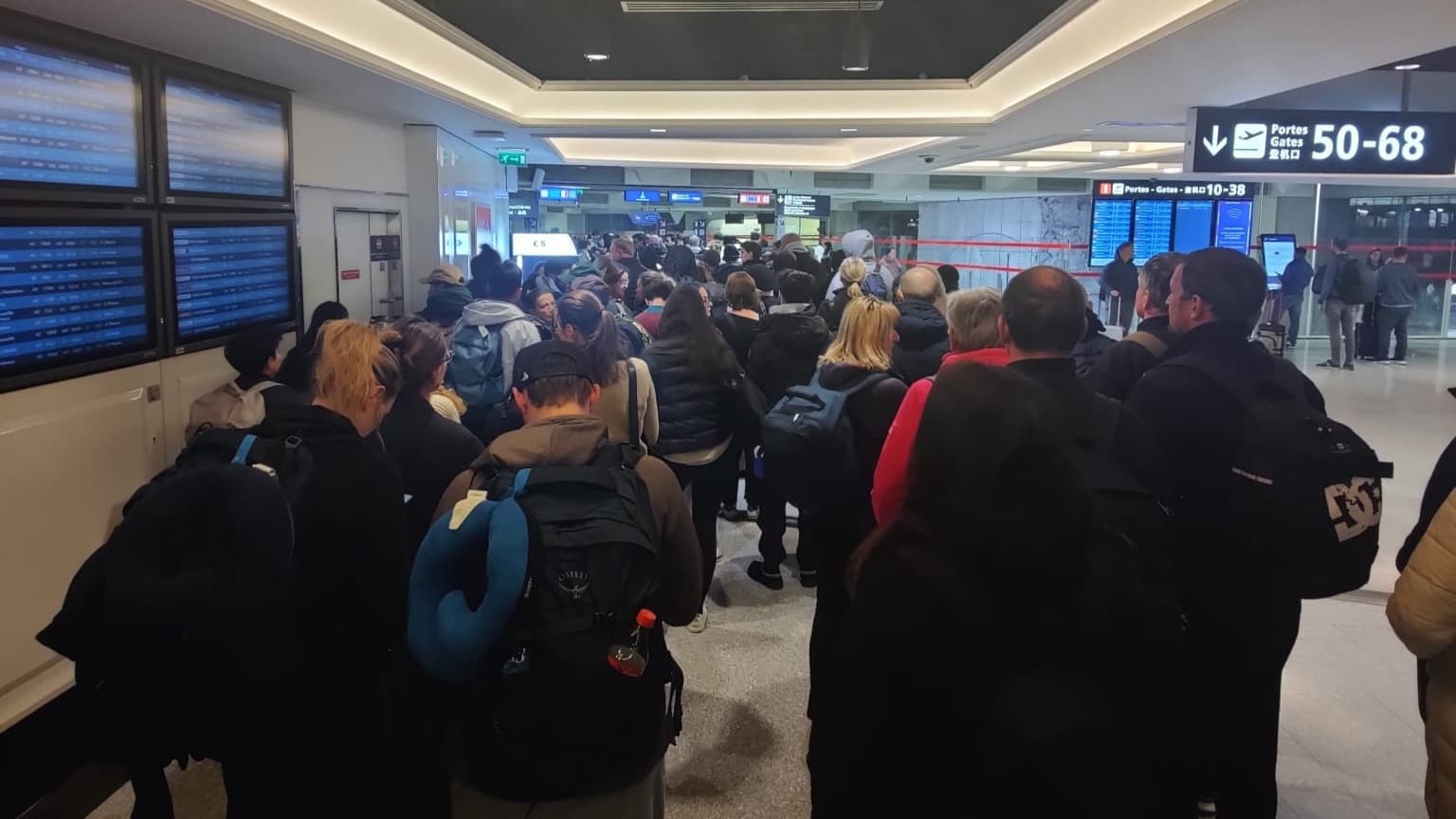
**Nine EU countries demand EES flexibility to end 'unacceptable' queues**
Nine European countries, including France, Germany, Italy, and the Netherlands, have sent a joint letter to the European Commission urging it to extend the flexibility mechanism of the automated Entry/Exit System (EES) beyond September 2026. The system, which collects biometric data (fingerprints and facial recognition) from non-EU travellers at Schengen borders, has been blamed for causing queues of up to three to five hours at peak times in major airports. The signatories argue that the current partial suspension mechanism, which allows border authorities to temporarily revert to manual passport stamping during congestion, is essential to prevent operational collapse.
**Operational impact on aviation**
Airports and airlines have been vocal about the strain. ACI Europe and Airlines for Europe (A4E) report that waiting times can exceed three hours, with some passengers missing their flights. At Rome Fiumicino, authorities warned of a 'high risk of disaster', while in Greece, Fraport Greece's CEO described scenes of passengers waiting under emergency shelters as 'dangerous'. Wizz Air now advises passengers to arrive three hours before departure. The industry argues that this is not a teething problem but a 'systemic failure' that requires fundamental redesign.
**What this means for ATPL and ATC students**
For future pilots and air traffic controllers, understanding border control procedures is crucial for operational planning. Delays caused by EES can disrupt turnaround times, affect slot coordination, and increase fuel burn due to holding patterns. ATC students must be aware that such regulatory changes can lead to unpredictable passenger flows, impacting ground handling and departure sequencing. ATPL candidates should note that crew members are often exempt from biometric checks, but knowledge of these systems helps in briefing passengers and managing expectations.
**The path forward**
The nine countries insist that the suspension mechanism must remain available beyond September 2026, and call for pre-departure online registration to reduce airport congestion. The European Commission maintains that the system works well where infrastructure is adequate, but the aviation sector warns of 'grave operational consequences' if flexibility is removed. For students, this case illustrates the tension between security regulations and operational efficiency—a recurring theme in aviation management.