**A New Era in Aeronautics Research**
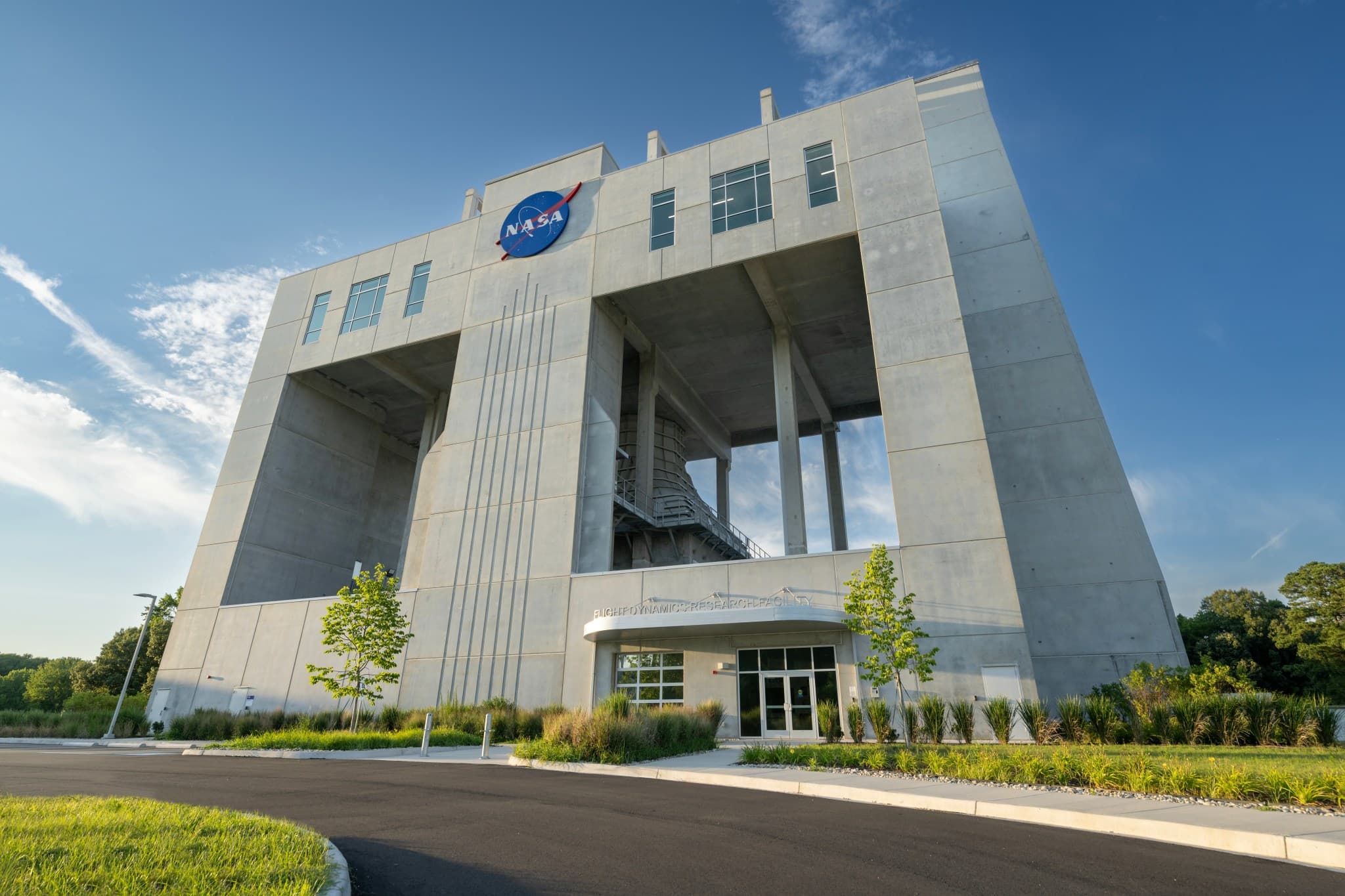
NASA has announced the opening of the Flight Dynamics Research Facility (FDRF) at its Langley Research Center in Hampton, Virginia. This is the agency's first major wind tunnel built since 1980, replacing the aging Langley 20-Foot Vertical Spin Tunnel and the 12-Foot Low-Speed Tunnel. The FDRF is designed to study flight dynamics on a wide range of aircraft and spacecraft, from commercial airliners to future lunar landers. The ribbon-cutting ceremony, scheduled for July 31, 2026, will feature NASA Administrator Jared Isaacman and other key officials.
**Why This Matters for Aviation Training**
For ATPL and ATC students, the FDRF is more than just a piece of hardware—it represents the future of aircraft design and certification. Wind tunnels are critical for testing aerodynamic stability, control surfaces, and stall characteristics. The data generated here will influence how future aircraft behave in flight, which in turn affects everything from pilot training manuals to ATC separation standards. For example, improved understanding of spin recovery could lead to updated emergency procedures in ATPL syllabi. Similarly, ATC trainees will benefit from more accurate performance data for aircraft types they will manage.
**Technical Capabilities and Impact**
The FDRF specializes in flight dynamics research, meaning it focuses on how vehicles move and respond to controls in three dimensions. This includes testing for spin resistance, yaw stability, and low-speed handling—all critical for both commercial aviation and spaceflight. The facility will support NASA's Artemis program, which aims to establish a sustained human presence on the Moon. For aviation students, this underscores the growing convergence between atmospheric and spaceflight training, as future pilots may need to understand both regimes.
**What ATPL and ATC Students Should Watch**
As the FDRF becomes operational, expect new research papers and certification standards to emerge. ATPL candidates should pay attention to updates in aircraft performance charts and emergency procedures, while ATC students should note how new aircraft types may alter traffic flow patterns. The facility's focus on low-speed dynamics is particularly relevant for approach and landing phases, which are high-risk periods in flight operations. This is a reminder that aviation training must evolve with technology, and MyATPS will continue to integrate such developments into its curriculum.