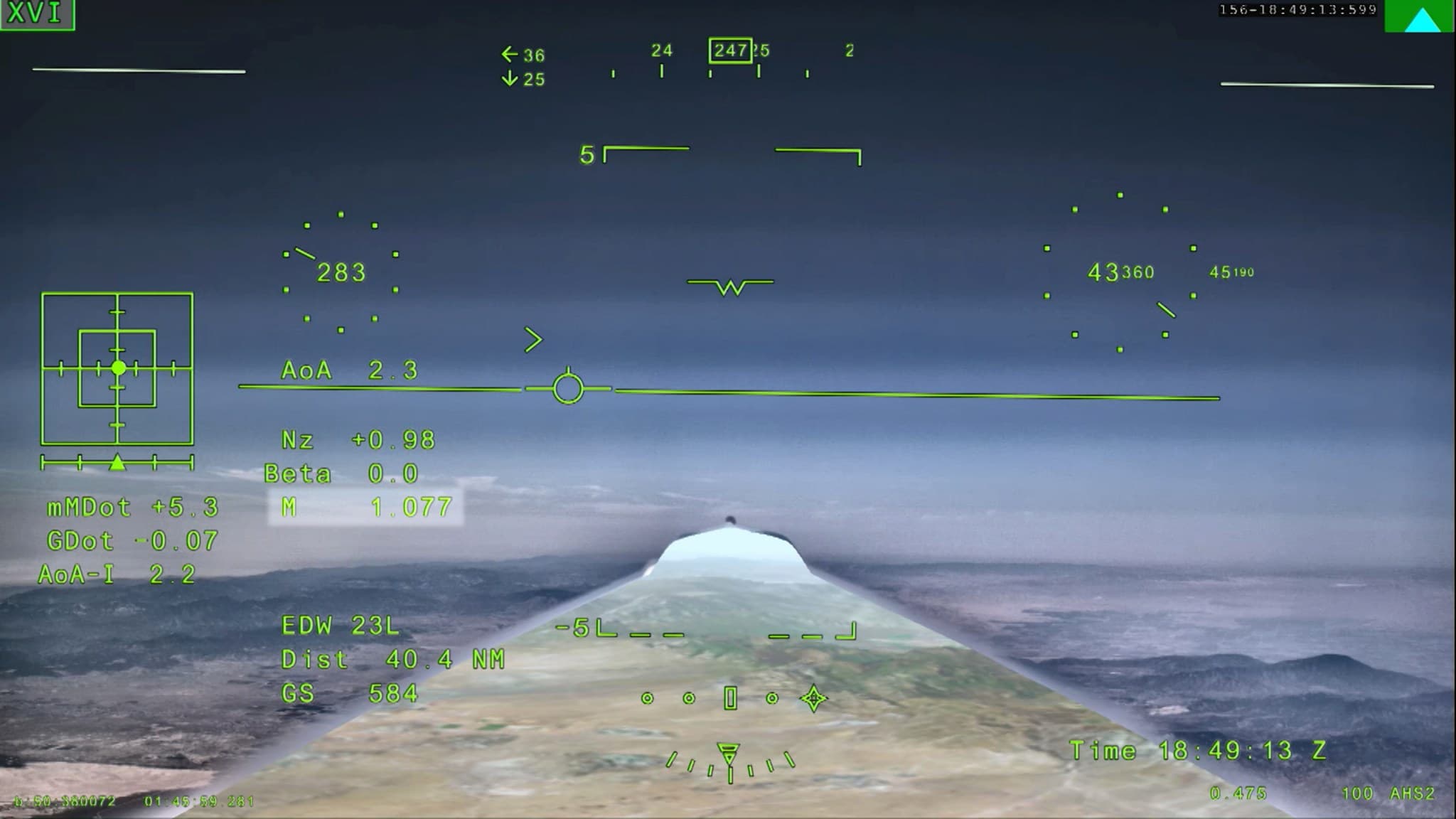
On June 5, 2026, NASA’s X-59 quiet supersonic research aircraft achieved its first supersonic flight, reaching Mach 1.1 (713 mph) at an altitude of 43,400 feet. This milestone, part of the Quesst mission, marks a critical step toward demonstrating that supersonic flight can be quiet enough to fly over land without disturbing communities. For ATPL and ATC students, this development is not just a technological curiosity—it directly impacts the future of commercial aviation operations.
The X-59 is designed to replace the traditional sonic boom with a quiet thump, potentially opening the door for supersonic airliners to operate over populated areas. Current regulations, such as FAA Part 91.817, prohibit civil supersonic flight over land in the U.S. due to noise concerns. The data gathered by NASA will be shared with regulators to help establish new, data-driven noise standards. This means that future pilots may need to understand new performance profiles and noise abatement procedures, while ATCs will have to integrate supersonic traffic into busy airspace without compromising safety or community relations.
The flight test campaign is progressing rapidly. After 16 flights in the 90 days leading up to this milestone, the X-59 is set to push to Mach 1.4 and 55,000 feet in the coming days—the exact conditions for its mission over U.S. communities. For ATPL students, this highlights the importance of envelope expansion testing and the rigorous certification process for new aircraft types. ATC students should note that supersonic operations require careful coordination with chase planes and specialized airspace management, skills that will become more common as supersonic transport evolves.
From a training perspective, the X-59’s success underscores the need for pilots and controllers to stay informed about emerging technologies. The quiet supersonic design tools developed by NASA will eventually be used by manufacturers to build next-generation airliners. This means that today’s students will be the first professionals to operate or control these aircraft. Understanding the principles of supersonic aerodynamics, noise propagation, and regulatory changes will give them a competitive edge in the job market.
In summary, the X-59’s first supersonic flight is a historic step toward a new era in aviation. For ATPL and ATC trainees, it signals that the industry is on the cusp of change. Staying ahead of these developments—whether through studying NASA’s Quesst mission or following regulatory updates—will be essential for a successful career in the coming decades.