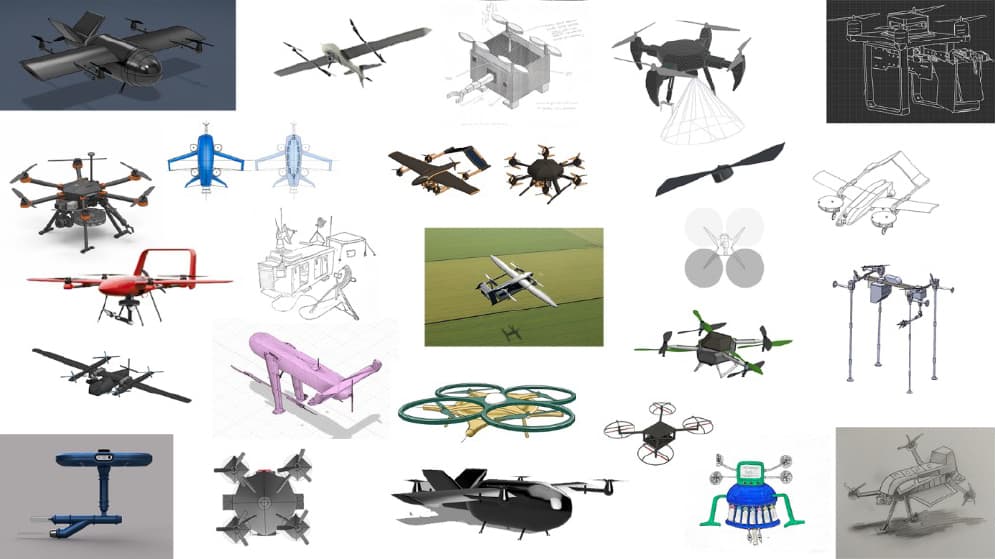
NASA's Dream with Us Design Challenge for the 2025-2026 cycle has concluded, with winners announced across middle and high school categories, underscoring the agency's commitment to fostering the next generation of aviation and aerospace professionals. This annual competition invites students to develop innovative projects that address real-world challenges in aeronautics, leveraging STEM (Science, Technology, Engineering, and Mathematics) principles. The winning entries, such as AgriDrone from Texas and California, which focuses on agricultural applications of drone technology, and SkySeekers from California, which emphasizes engineering design, demonstrate how early exposure to aviation concepts can spark interest in fields like piloting, air traffic control, and aerospace engineering. For ATPL and ATC students, this initiative is more than just a school contest; it represents a pipeline of future colleagues and a reminder of the industry's evolving landscape, where technological literacy and creative problem-solving are increasingly vital.
From an industry perspective, NASA's involvement in such educational programs is crucial for addressing the ongoing pilot and technician shortages. By engaging students at a young age, NASA helps build a skilled workforce ready to tackle future challenges in aviation, such as sustainability, automation, and advanced air mobility. The Dream with Us Challenge specifically encourages projects that integrate aeronautics with other disciplines, like agriculture or environmental science, reflecting the interdisciplinary nature of modern aviation. This aligns with trends in ATPL training, where pilots must understand not just flying mechanics but also systems integration, data analytics, and environmental impacts. For instance, projects like AgriTech, which won second place in the middle school category, highlight how drones can optimize crop monitoring, a skill relevant to pilots involved in agricultural aviation or unmanned aerial systems (UAS) operations.
For ATPL and ATC students, the relevance of this news lies in its implications for career development and industry readiness. As future professionals, you will enter an aviation sector that values innovation and adaptability, traits nurtured by competitions like Dream with Us. Understanding these early-stage initiatives can provide insights into emerging technologies and educational pathways that may shape your training or job opportunities. Moreover, as mentors or peers, you might engage with such programs to give back to the community, enhancing your professional network and contributing to industry growth. The challenge also emphasizes the importance of STEM education, which is foundational for ATPL subjects like aerodynamics, navigation, and meteorology, as well as for ATC roles requiring technical proficiency in radar systems and airspace management.
In summary, NASA's Dream with Us Design Challenge winners exemplify how aviation education is evolving to include broader STEM applications, preparing students for diverse roles in the industry. For those in ATPL or ATC training, this serves as a reminder to stay curious and adaptable, as the skills highlighted in these projects—from engineering design to interdisciplinary thinking—are increasingly relevant in a dynamic aviation environment. By supporting such initiatives, the industry ensures a steady influx of talent ready to innovate and excel, benefiting everyone from aspiring pilots to seasoned controllers.