**A Historic Flight for Hybrid-Electric Propulsion**
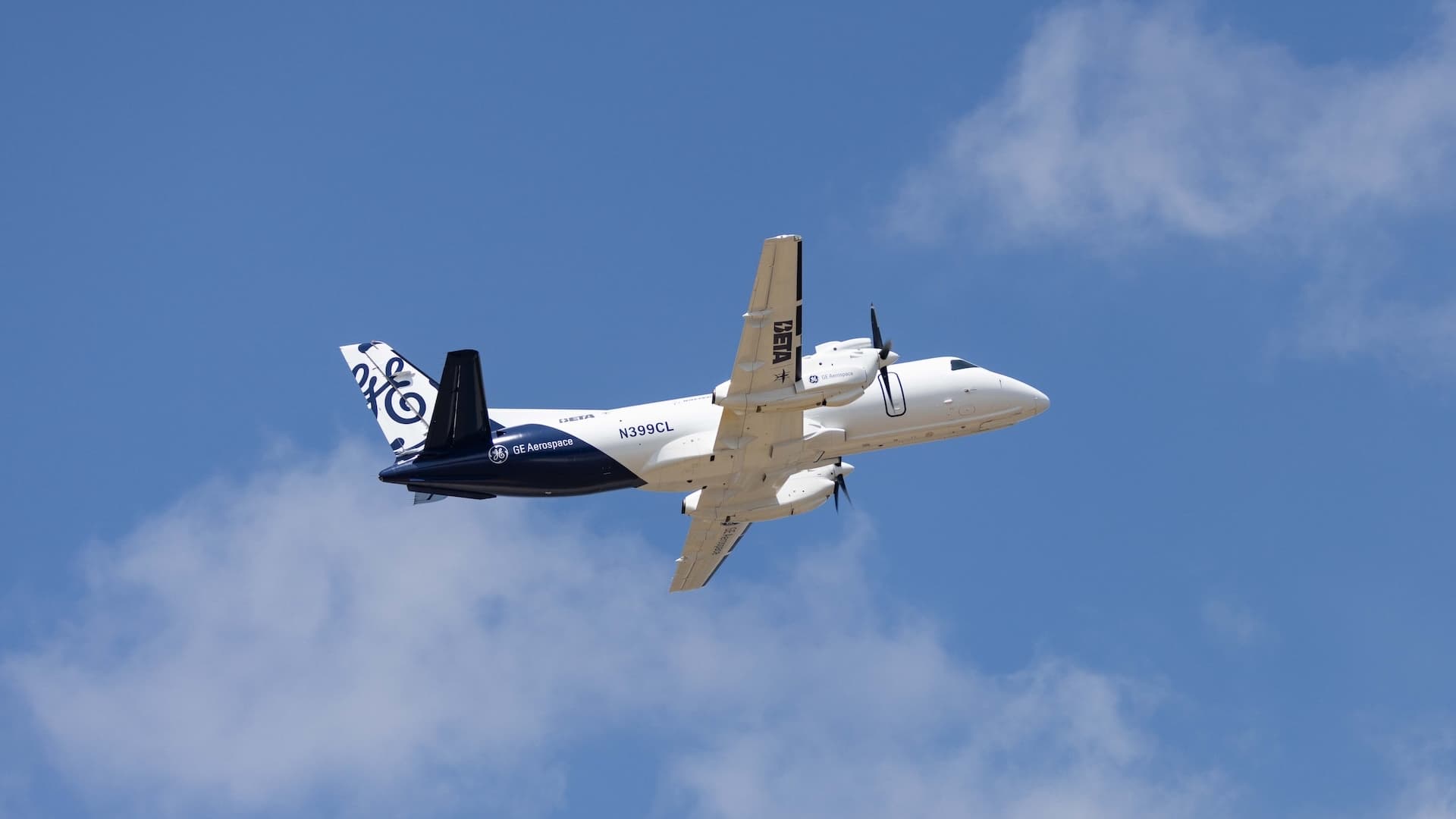
NASA and GE Aerospace have achieved a major milestone in aviation technology: the first public flight of a megawatt-class hybrid-electric engine mounted on a Saab 340B testbed. The aircraft flew at the Farnborough International Air Show, demonstrating a system that had already made history by becoming the first hybrid-electric aircraft to exceed 30,000 feet. This achievement is the result of over 15 years of collaborative research, including work under NASA's Electrified Powertrain Flight Demonstration project and the Subsonic Vehicle Technologies and Tools project.
The hybrid-electric engine integrates electric motors, a gas turbine, and energy storage, designed to power aircraft the size of regional jets. The goal is to reduce fuel burn and operating costs without sacrificing performance. For ATPL and ATC students, this development signals a shift toward more sustainable aviation technologies that will require new knowledge in electrical systems, power management, and flight operations.
**Why This Matters for Aviation Training**
For future airline pilots and air traffic controllers, understanding hybrid-electric propulsion is becoming essential. As airlines look to lower carbon emissions and fuel costs, hybrid and fully electric aircraft will enter commercial service. ATPL students will need to learn about new engine types, energy storage limitations, and altered performance characteristics. ATC trainees will need to understand how these aircraft behave differently in terms of noise, climb rates, and emergency procedures.
NASA's testing at the Electric Aircraft Testbed, simulating altitudes up to 45,000 feet, shows that these systems are being validated for real-world conditions. The Saab 340B testbed is a regional-class aircraft, meaning the technology is directly applicable to the type of aircraft that many ATPL holders will fly early in their careers.
**The Road Ahead**
The demonstration flight is not the end of the journey. NASA and GE Aerospace will continue to refine the technology, with the aim of developing hybrid systems that can lower airline operating costs and reduce environmental impact. For students, this means staying ahead of the curve by familiarizing themselves with electrified propulsion concepts now, rather than waiting for the technology to become mainstream.
In summary, this breakthrough is a clear signal that the aviation industry is transitioning toward hybrid-electric solutions. ATPL and ATC training programs must evolve to include these technologies, and MyATPS is committed to providing the most up-to-date resources to help students succeed in this changing landscape.