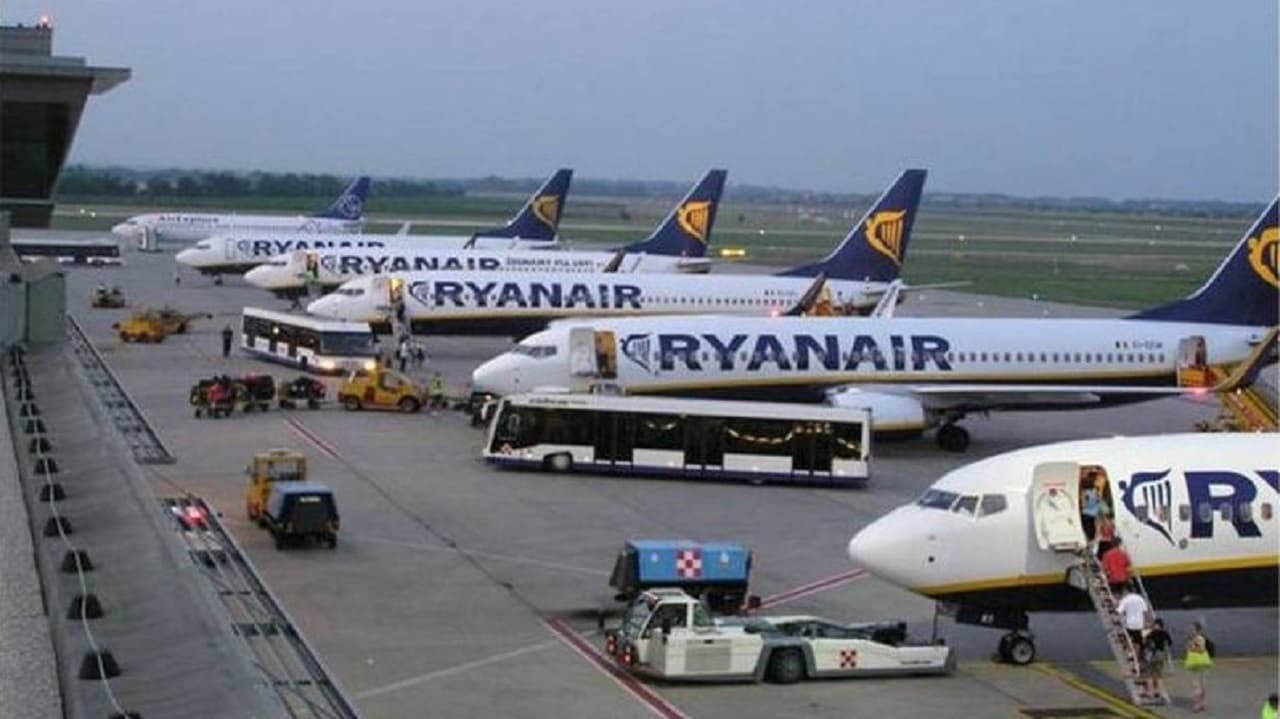
Ryanair has officially extended the contract of its CEO Michael O'Leary until 2032, with a new compensation package heavily tied to the company's stock performance and profits. The base salary and annual bonus are described as "modest," but a stock option plan could yield over €150 million if ambitious targets are achieved.
This decision comes after months of discussions with the iconic Irish leader and extensive consultation with major shareholders. O'Leary, who has led Ryanair for nearly three decades, will guide the low-cost carrier through its next growth phase until at least his 70s. For ATPL and ATC students, this news underscores the strategic importance of stable leadership in a highly competitive industry where cost control and operational efficiency are paramount.
The new contract includes a stock option plan for 10 million ordinary Ryanair shares, exercisable at €26.70 per share. Full vesting requires O'Leary to achieve a net annual profit exceeding €4 billion or a share price above €42 for 28 consecutive days by March 2032. Analysts estimate the plan could be worth €150–153 million. This structure aligns CEO incentives with shareholder value, a key concept in corporate governance that aviation professionals should understand, as it influences airline strategies and financial health.
O'Leary remains a controversial figure, known for his blunt style and unwavering defense of the low-cost model. He transformed Ryanair into Europe's largest airline by passenger numbers. Critics point to potential excessive pay and social conditions, while supporters highlight management stability in a challenging environment of high fuel costs and environmental pressures. For students, this case illustrates the balance between executive compensation, operational strategy, and public perception in aviation.
Ryanair plans to submit an amended remuneration policy for a consultative vote at its 2026 general meeting. This development offers a real-world example of how airline leadership decisions impact industry dynamics, from pricing strategies to labor relations, relevant for future pilots and controllers navigating the aviation ecosystem.