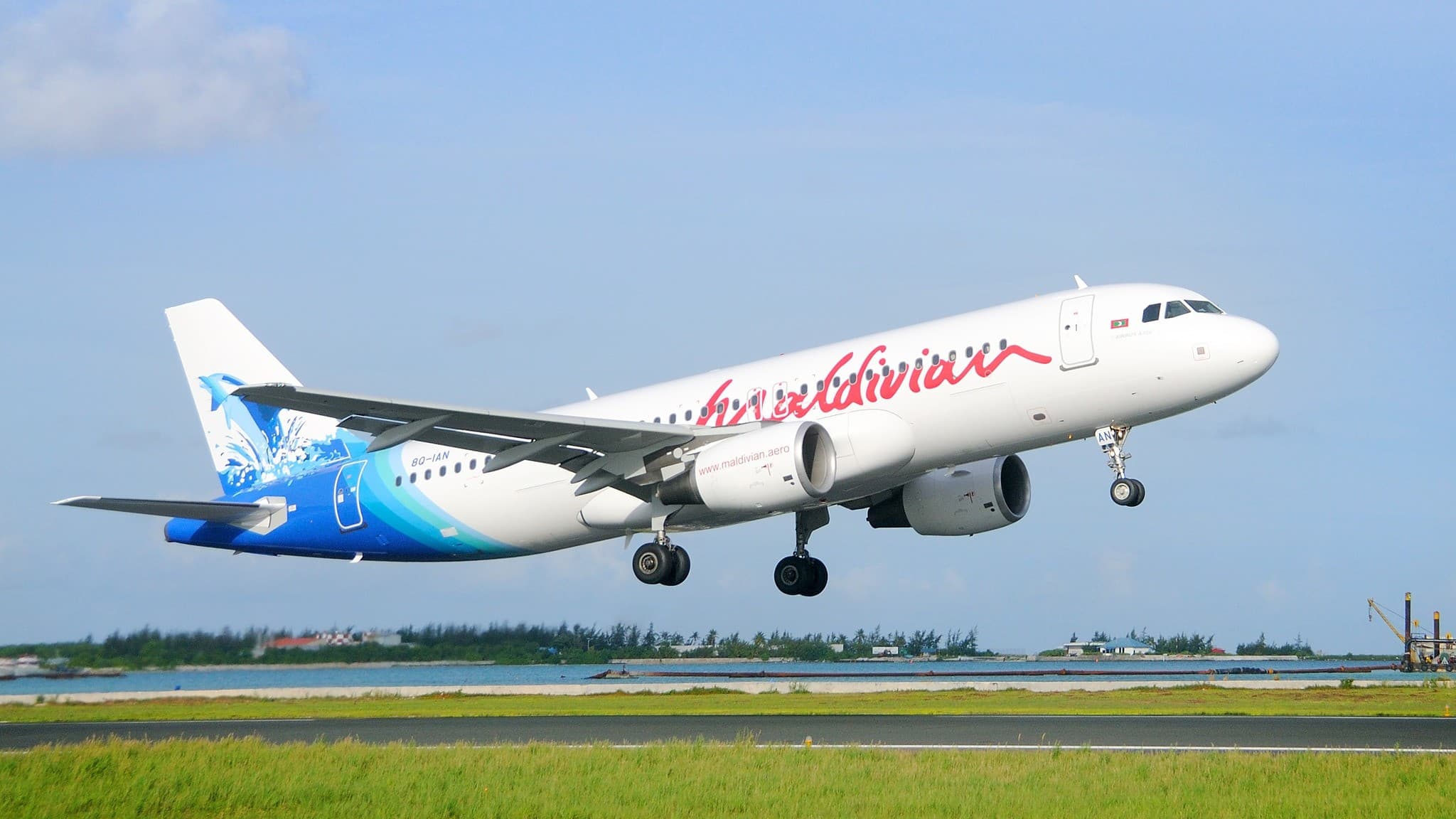
On 18 May 2026, Maldivian, the national carrier of the Maldives, operated the first non-stop flight between Australia and the Maldives. The inaugural service departed Velana International Airport (Malé) at 20:40 local time on 17 May and landed in Melbourne at 12:30 the following day, after a flight time of 10 hours and 36 minutes. The aircraft used was an Airbus A330-200 (registration 8Q-IAB), marking a symbolic step for the airline's young long-haul fleet.
Previously, Australian travellers had to transit through Asian or Middle Eastern hubs — Singapore, Doha, or Dubai — adding significant travel time. This new weekly seasonal service reduces the journey by 9 to 10 hours, making the Maldives a more accessible dream destination. The return flight departs Melbourne at 23:20 and arrives in Malé at 05:55, with optimised connections to island resorts via seaplane or speedboat.
A unique aspect of this route is that tickets are not sold separately. Instead, the flights are bundled with accommodation through the platform Luxury Escapes. This strategy addresses a key barrier: the complexity and duration of previous multi-stop itineraries. According to Adam Schwab, co-founder and CEO of Luxury Escapes, this could reposition the Maldives as an alternative to the Mediterranean for Australian holidaymakers.
For ATPL and ATC students, this development offers a rich case study. The route involves long-haul operations over water, requiring specific fuel planning, ETOPS considerations, and oceanic airspace coordination. The seasonal nature of the service also highlights how airlines manage fleet utilisation and crew scheduling during peak demand periods. Additionally, the recent bilateral air services agreement between Australia and the Maldives — allowing airlines from both countries to operate passenger and cargo flights to any Australian airport — demonstrates how international treaties shape route networks. Traffic from Melbourne to South Asia is now 53% above pre-pandemic levels, underscoring the post-COVID recovery dynamics that students must understand.
Maldivian becomes the 43rd international airline operating at Melbourne Airport and the first to offer direct flights to the Maldives. No other carrier currently operates this route, with traffic dominated by Gulf carriers (Emirates, Qatar Airways, Etihad) and Singapore Airlines. This competitive landscape provides a practical example of market entry strategies and niche positioning in aviation.