**A Strategic Response to Low-Cost Pressure**
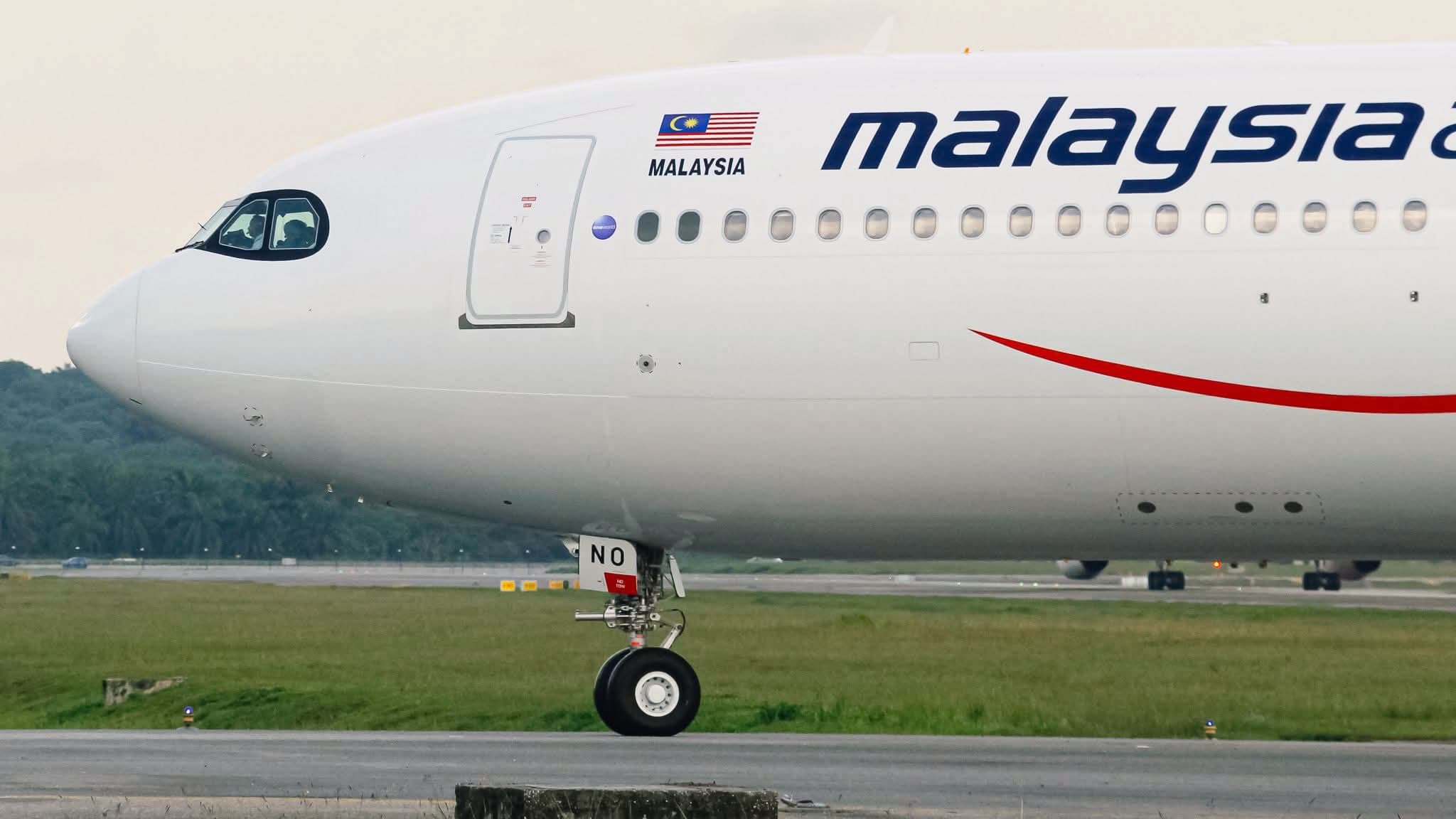
In January 2026, Malaysia Airlines (MAB) and Singapore Airlines (SIA) officially activated their strategic commercial partnership on the Kuala Lumpur–Singapore route, following regulatory approval from Malaysia’s Civil Aviation Authority and Singapore’s Competition and Consumer Commission. This joint business allows the two legacy carriers to offer common fare products, coordinate flight schedules, and eventually share revenue on this ultra-competitive corridor. The move is a direct response to the dominance of low-cost carriers like AirAsia, which holds nearly 28% of weekly seat capacity on the route, compared to SIA’s 21% and MAB’s 20%.
**What the Partnership Means for Operations**
For ATPL and ATC trainees, this development offers a real-world case study in airline commercial strategy. The joint business goes beyond simple code-sharing—it involves integrated pricing, coordinated scheduling, and reciprocal lounge access, all of which require careful operational alignment. ATC students should note that such partnerships can affect traffic flows: coordinated schedules may lead to more evenly spaced departures, reducing peak-hour congestion at both Changi and Kuala Lumpur International airports. The partnership also highlights how airlines use bilateral agreements to optimize fleet utilization and network connectivity without merging.
**Broader Implications for Regional Aviation**
The Kuala Lumpur–Singapore corridor sees over 250 weekly flights and about 2.3 million seats annually, making it one of the busiest international city-pairs globally. By pooling resources, MAB and SIA aim to offer a premium alternative that can compete on service quality rather than price alone. This is particularly relevant for ATPL students studying airline economics: the joint business allows both carriers to maintain their brand identities while sharing the financial risk of operating in a market where low-cost carriers have eroded yields. For ATC students, understanding such commercial alliances is crucial because they influence route networks, slot allocation, and even airspace demand.
**A Long-Term Collaboration**
This joint business is the culmination of a partnership that began in 2019 with a framework agreement. Since then, the carriers have expanded code-sharing to destinations in Europe and South Africa, and in 2024 they introduced reciprocal mileage earning and redemption between their loyalty programs (Enrich and KrisFlyer). The current phase represents a deeper integration that could serve as a model for other legacy carriers facing similar competitive pressures in dense regional markets.