**Industry context: why this matters**
Malaysia Airlines and Tourism New Zealand have announced a two-year strategic partnership to stimulate tourist demand and strengthen connectivity between Kuala Lumpur and Auckland. The agreement, formalised on 5 May 2026, is a clear example of how airlines and tourism boards collaborate to revive long-haul traffic in a post-pandemic environment. For ATPL and ATC students, this is not just a marketing story — it reflects real-world decisions about fleet deployment, route profitability, and network planning.
**Route details and aircraft choice**
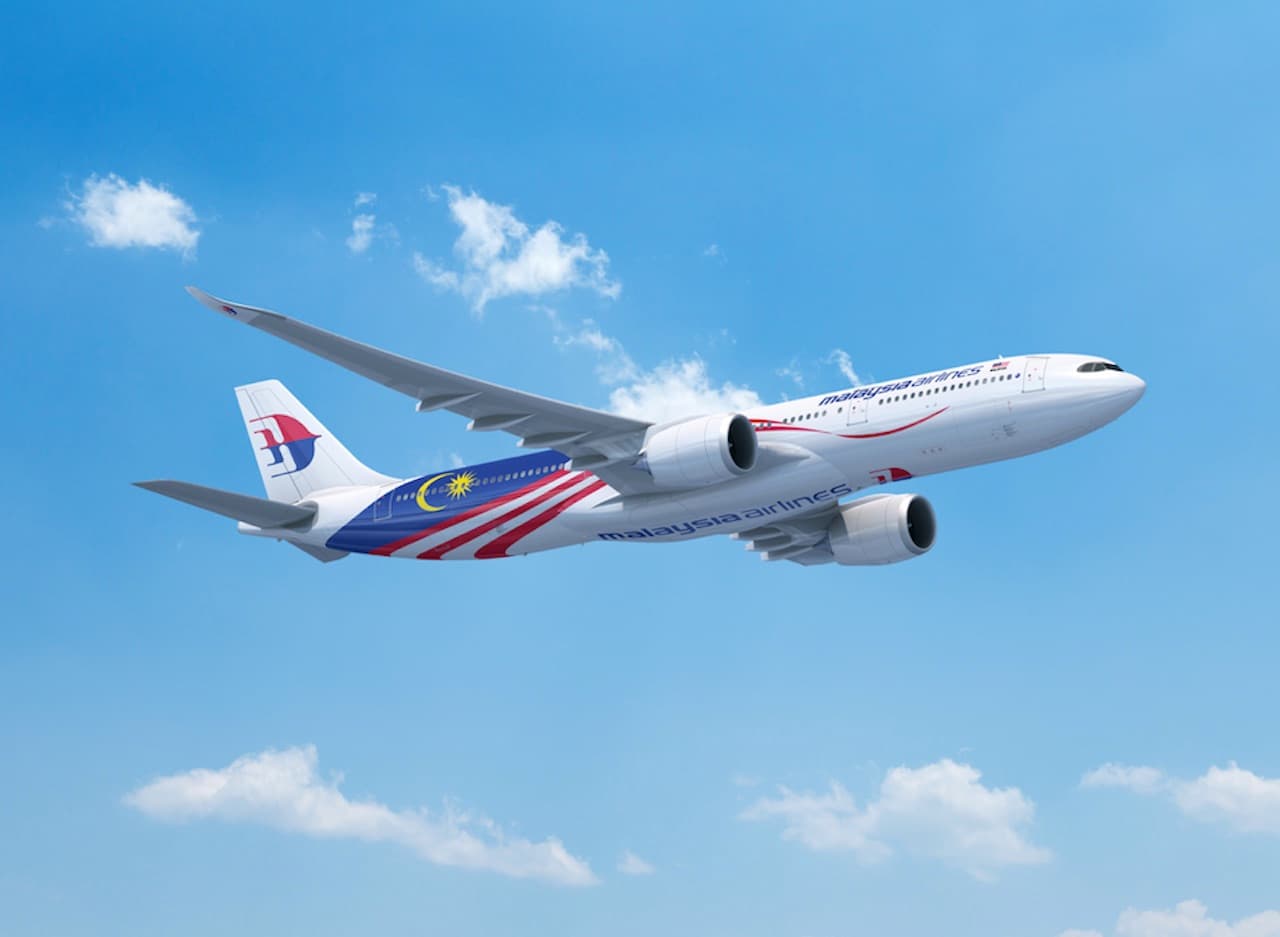
Malaysia Airlines currently operates 10 weekly flights between Kuala Lumpur International Airport (KUL) and Auckland (AKL), all using the Airbus A330neo. This aircraft type is more fuel-efficient and features modernised cabins, aligning with the carrier’s strategy to upgrade its long-haul product. The high frequency also ensures good connectivity from Southeast Asia and, via Kuala Lumpur, from Europe. For ATC trainees, understanding how airlines schedule frequencies to maximise connecting traffic is a key operational concept. For ATPL students, the choice of the A330neo over older types like the A330-300 illustrates how fuel economy and passenger comfort drive fleet modernisation.
**Marketing campaign and target profiles**
The joint marketing campaign targets diverse traveller profiles: young professionals, group travellers, nature enthusiasts, and experiential tourism seekers. The goal is to promote New Zealand’s varied offerings — from wellness retreats to coastal tours, local gastronomy, and outdoor activities. This integrated approach shows how airlines and destination marketers work together to stimulate demand on specific routes. In an ATPL context, understanding demand drivers helps pilots appreciate why certain routes are prioritised or expanded.
**Bilateral growth and market indicators**
Tourism New Zealand reports that in the 12 months to February 2026, the country welcomed 32,200 visitors from Malaysia — an 11.5% increase year-on-year. Angela Blair, Tourism New Zealand’s international general manager, noted that the capacity increase by Malaysia Airlines creates more opportunities for travel. For ATC students, such growth figures are directly linked to air traffic demand and slot coordination at airports like KUL and AKL. For ATPL students, they highlight how route planning is influenced by economic and tourism data.
**MyATPS angle: what this means for your training**
This partnership is a textbook case of airline network strategy. As an ATPL student, you will study how carriers select aircraft for specific routes based on range, payload, and fuel efficiency. The A330neo’s deployment on the 10-hour Kuala Lumpur–Auckland sector is a practical example. For ATC trainees, the 10 weekly flights represent a significant traffic flow that requires careful sequencing and airspace management. Understanding these operational realities will make you a more informed professional.
**Conclusion**
The Malaysia Airlines–Tourism New Zealand deal shows how airlines and tourism authorities jointly drive demand on long-haul routes. For aviation students, it offers concrete lessons in fleet planning, route economics, and the importance of partnerships in a competitive industry.